EUmies Awards 2026 Exhibition in Milan
November 5, 2026
January 10, 2027
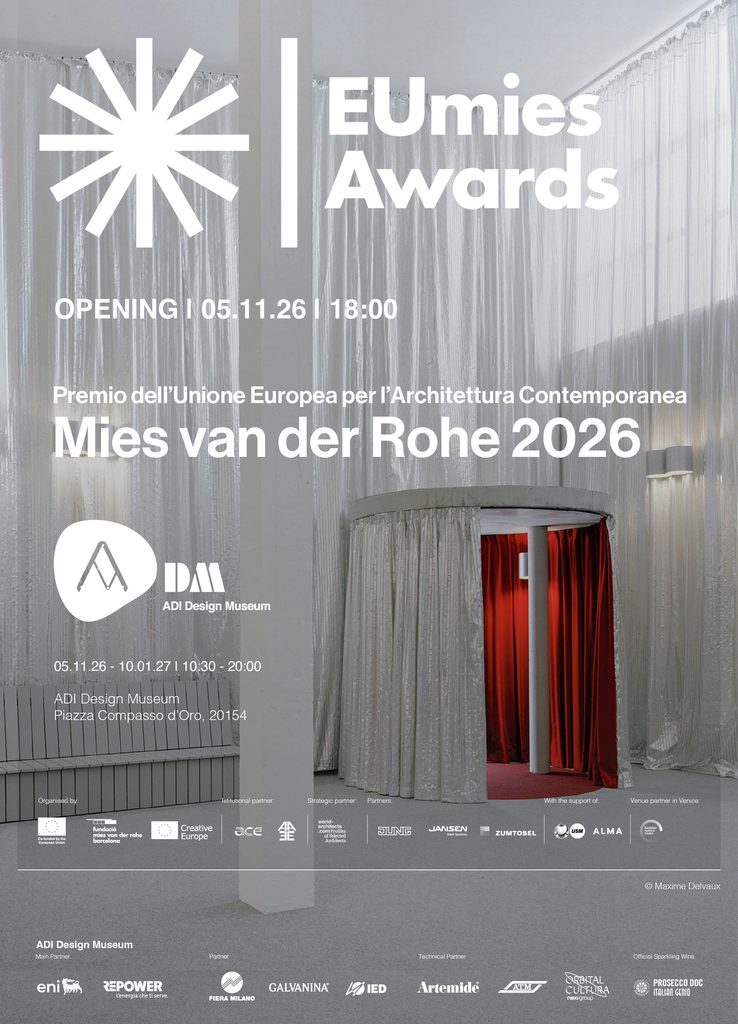
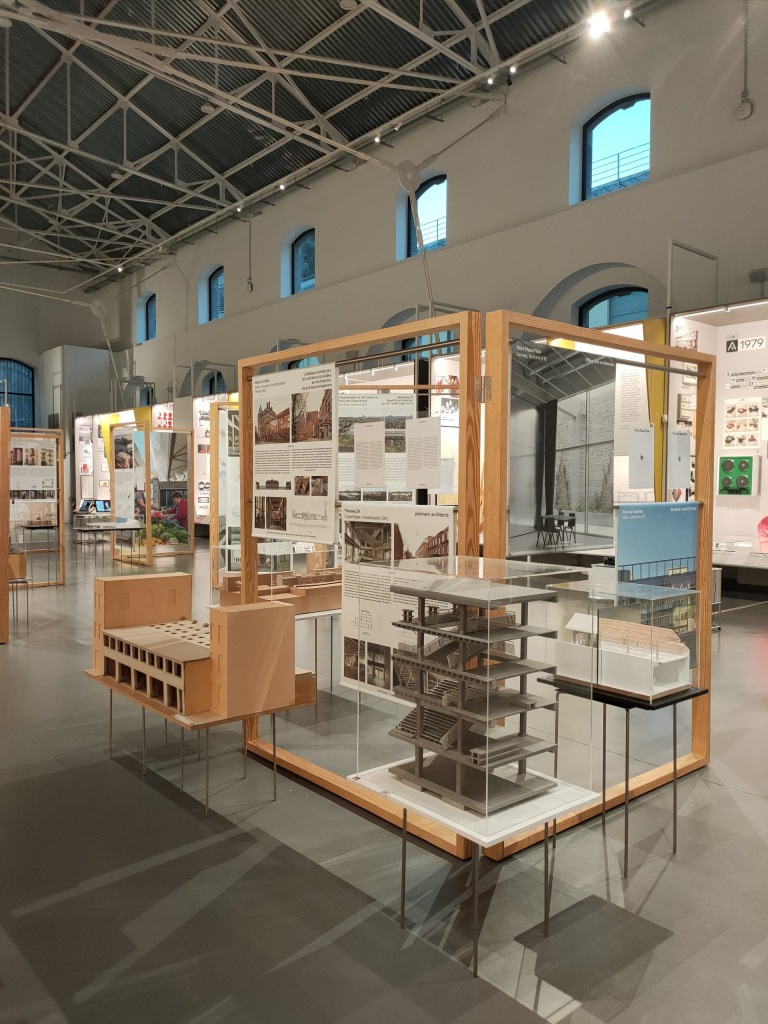
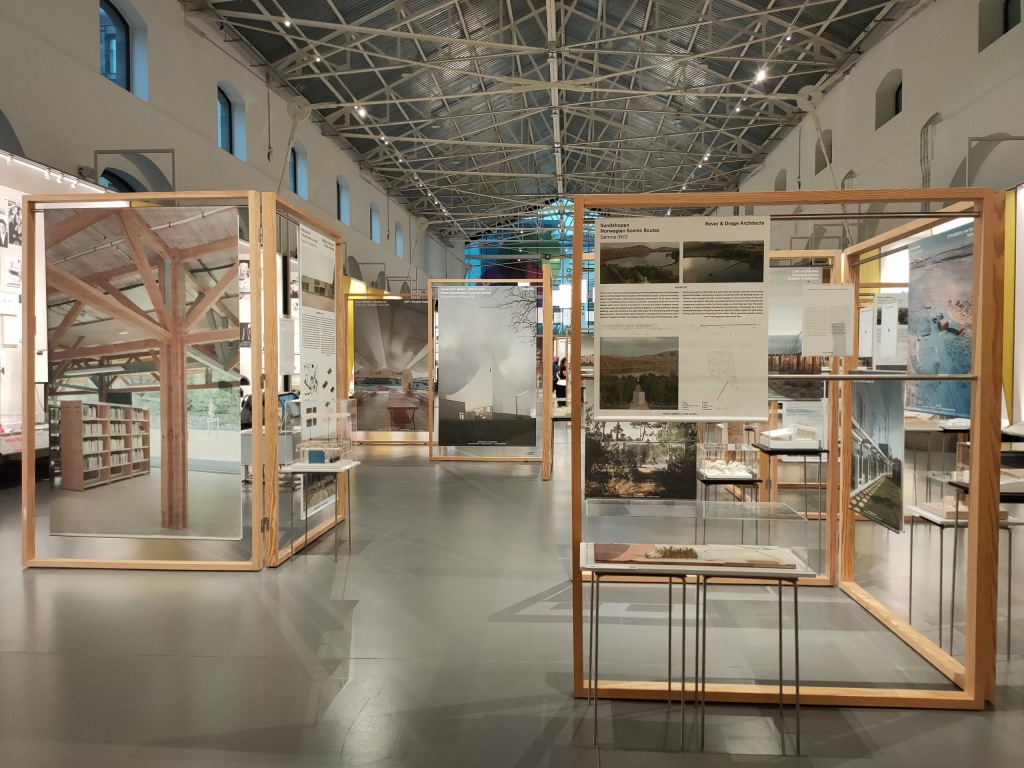
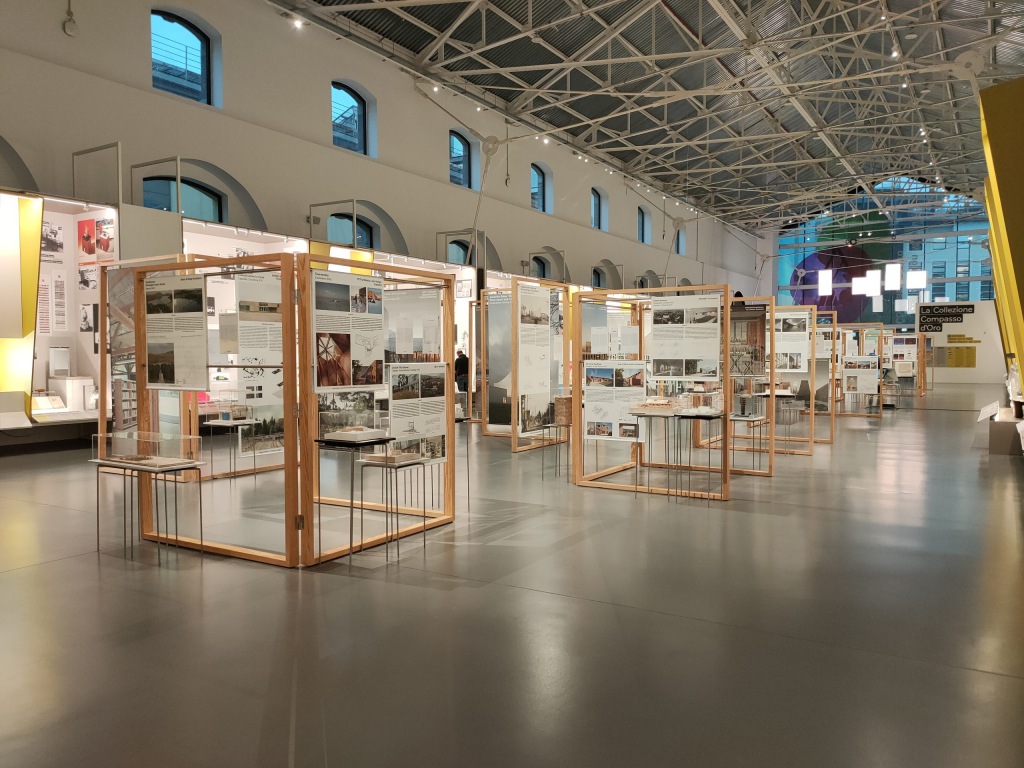
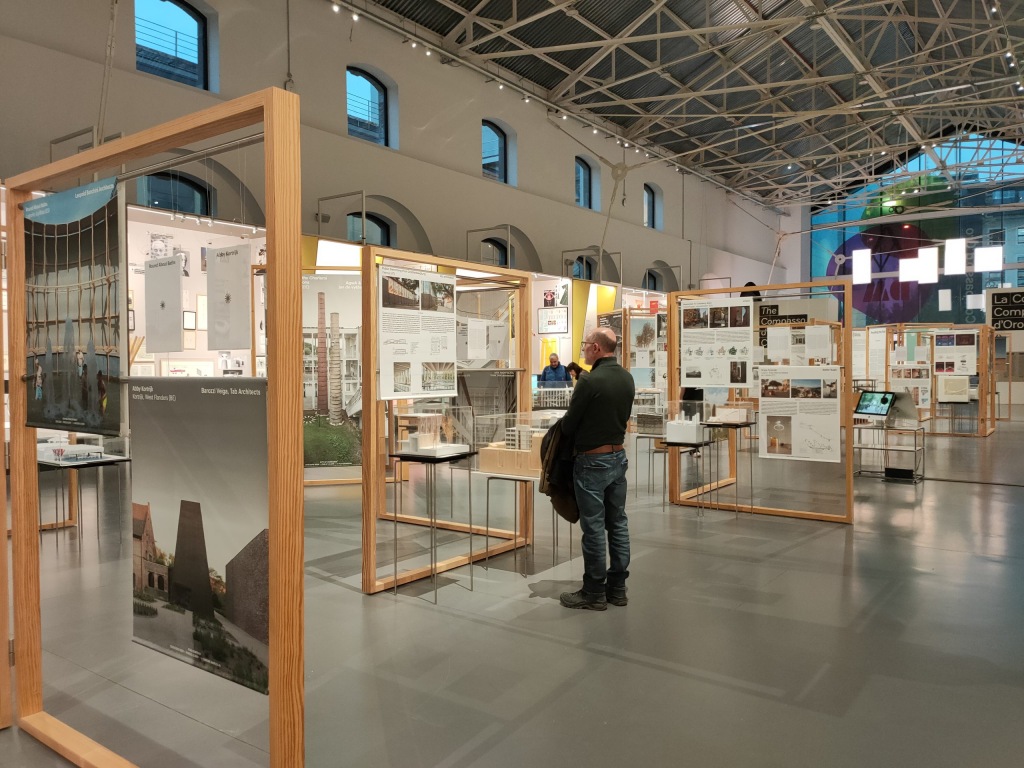
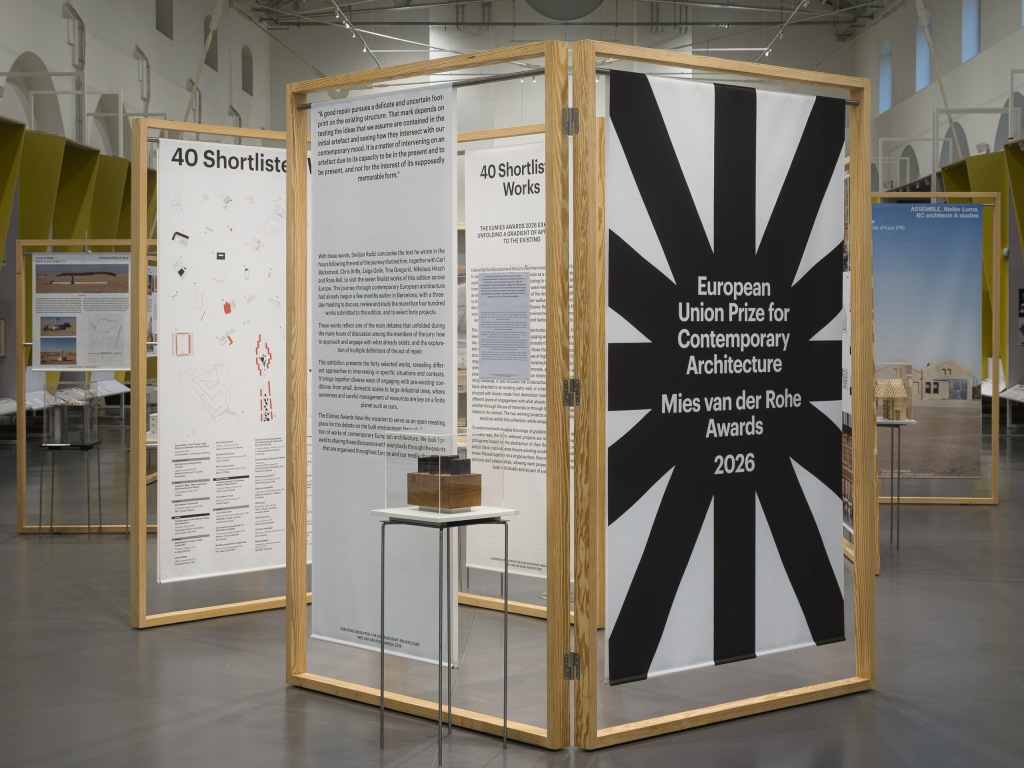
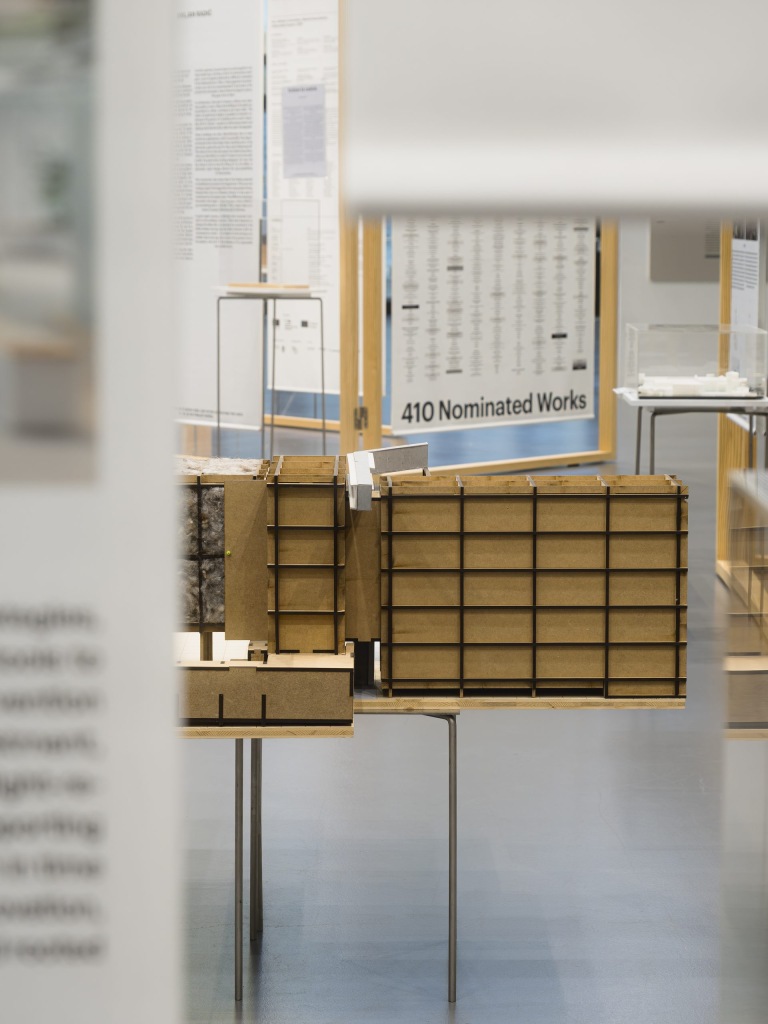
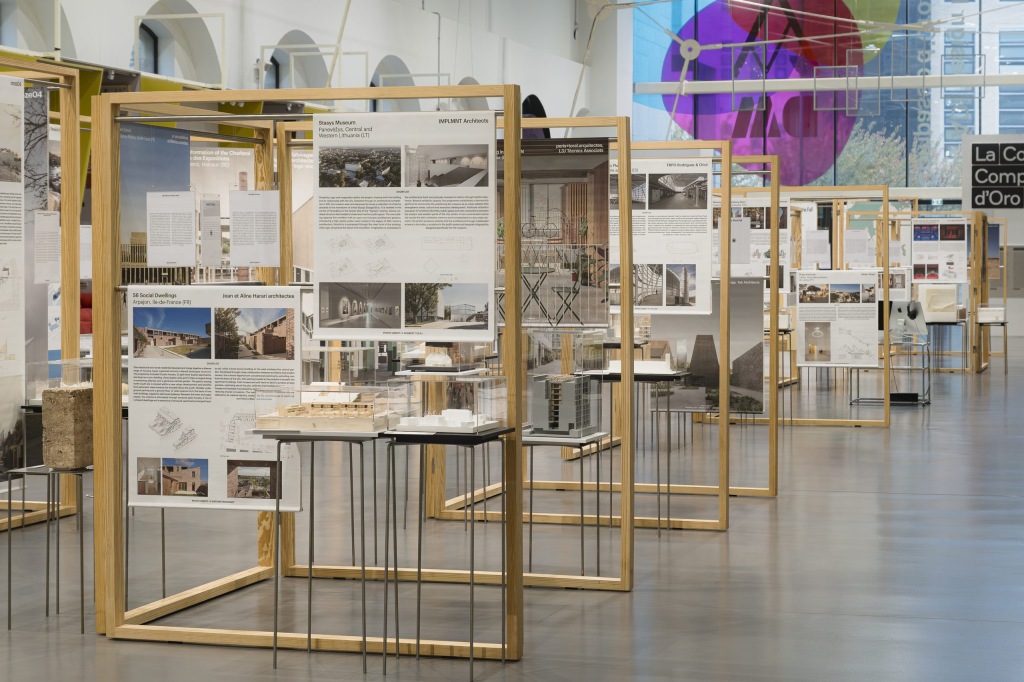
The European Union Prize for Contemporary Architecture / Mies van der Rohe Awards (EUmies Awards) arrives in Milan with the second international presentation of the full exhibition originally shown in Barcelona and later in Budapest. Following the photographic exhibitions held in Bucharest, Varna, Oulu, Rovaniemi and Buenos Aires, this new presentation features the models of the winning, finalist and shortlisted projects, together with new audiovisual materials that offer deeper insight into the debates, processes and works presented in the EUmies Awards 2026.
The exhibition is presented at the ADI Design Museum in Milan, a leading institution dedicated to design culture and home to the historical collection of the Compasso d’Oro Award, established in 1954. Opened in 2021, the museum brings together the legacy of Italian design with a dynamic programme of exhibitions and cultural activities that encourage dialogue between design, architecture and contemporary society. Sharing a commitment to recognising excellence and exploring the cultural and social impact of design, the ADI Design Museum provides an ideal setting for an exhibition that invites visitors to reflect on the role of architecture in transforming cities, communities and the European territory.
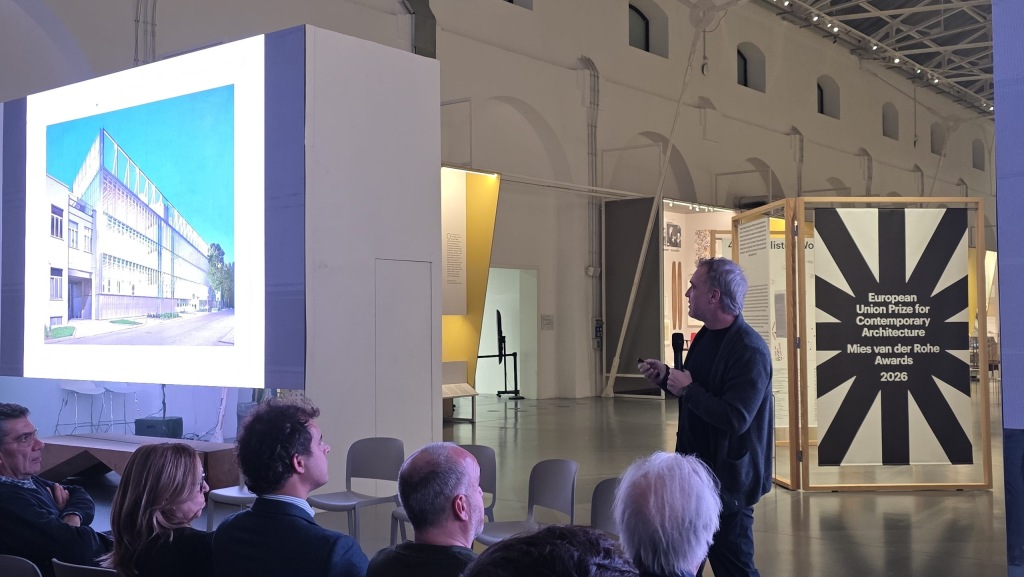
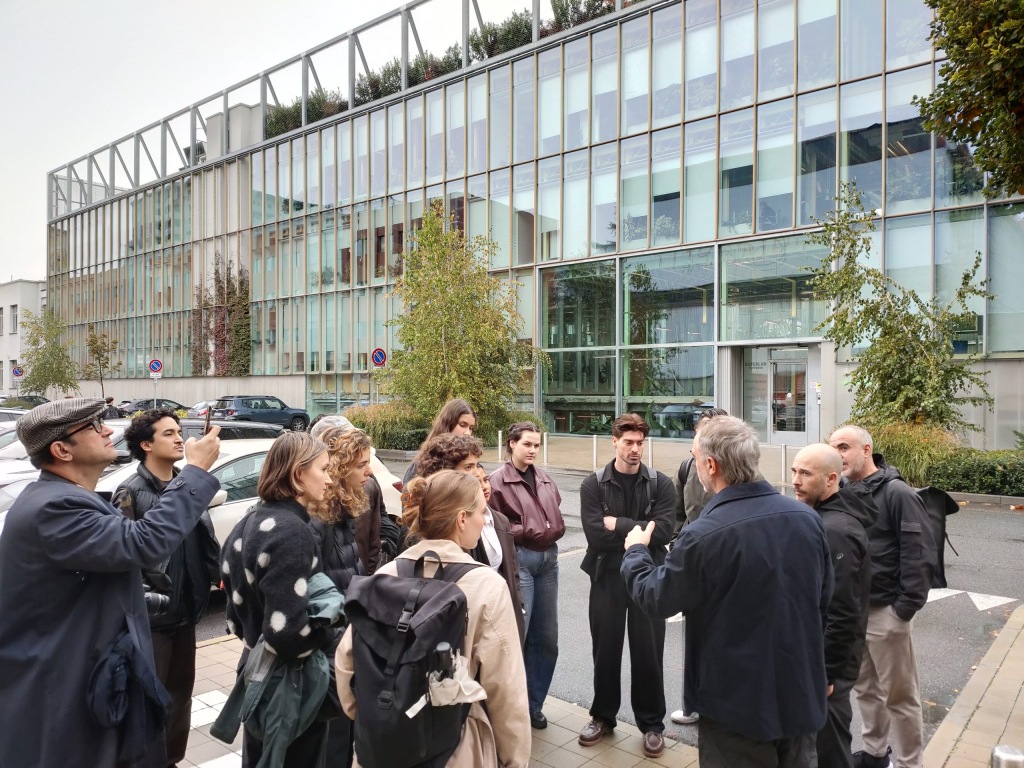
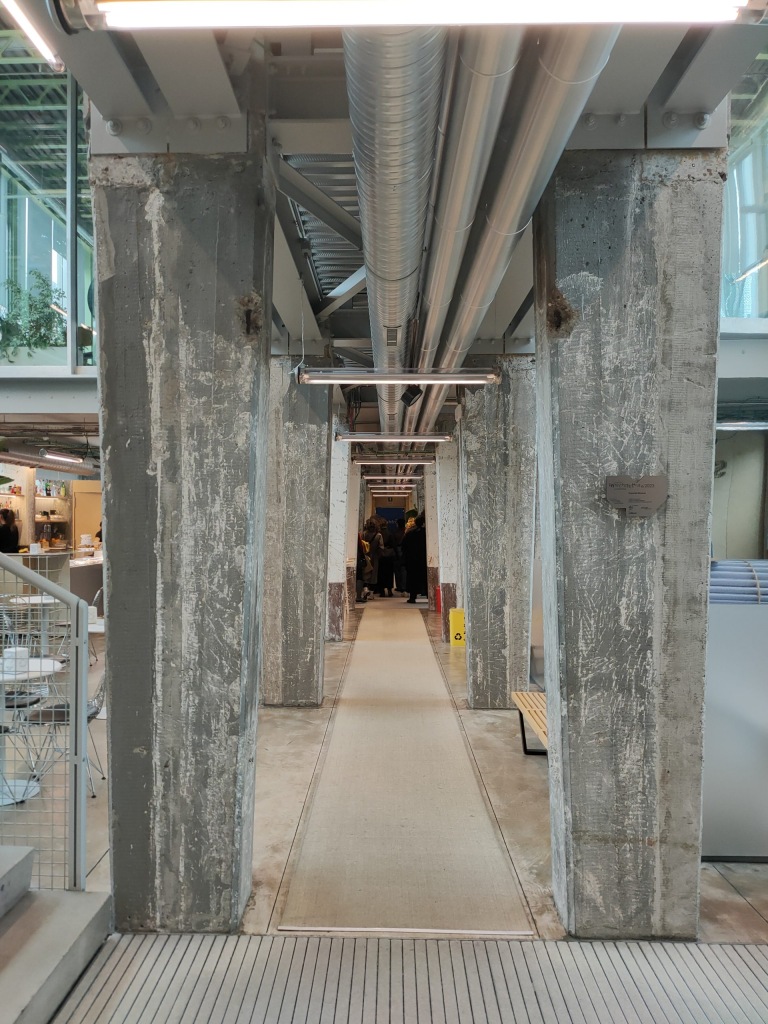
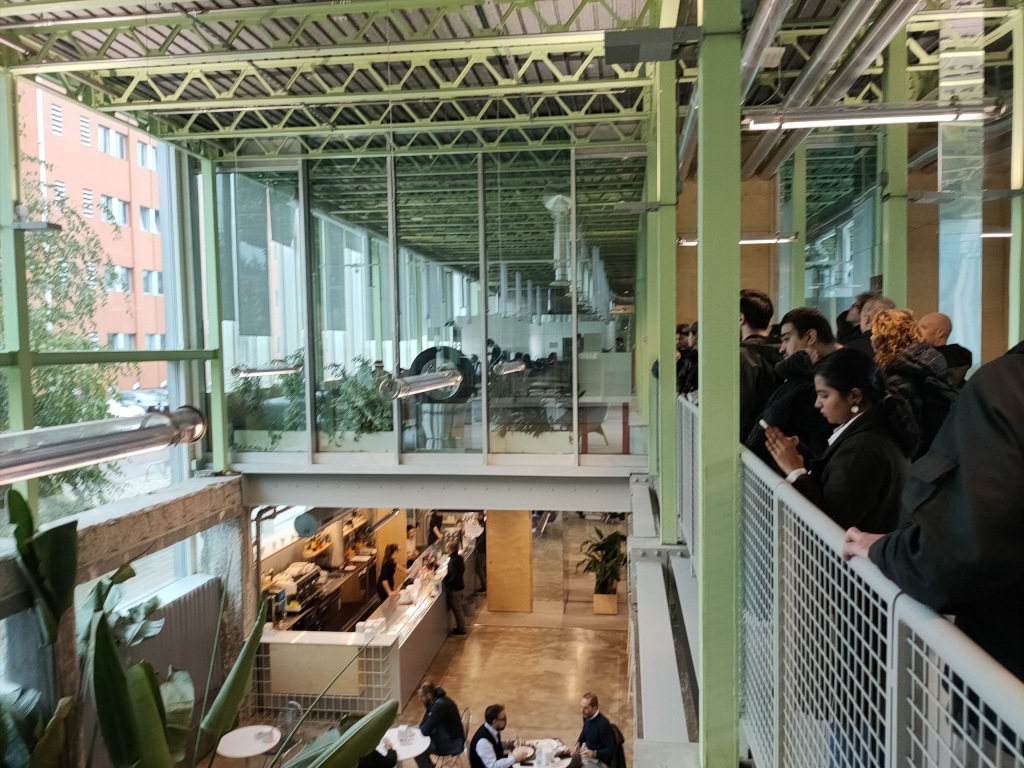
Through drawings, photographs, texts, models and audiovisual materials, the exhibition presents the projects selected by the jury composed of Smiljan Radić, Carl Bäckstrand, Chris Briffa, Zaiga Gaile, Tina Gregorič, Nikolaus Hirsch and Rosa Rull. Among them is Bicocca SuperLab by BALANCE ARCHITETTURA, in Milan, selected among the forty featured works of the EUmies Awards 2026.
The opening will also feature the exclusive presentation of the EUmies Awards 2026 catalogue, bringing together the projects nominated for this edition, with particular attention to the shortlisted works, finalists and winners. The publication offers a comprehensive overview of contemporary European architecture and the ideas, challenges and transformations reflected in the 2026 edition.
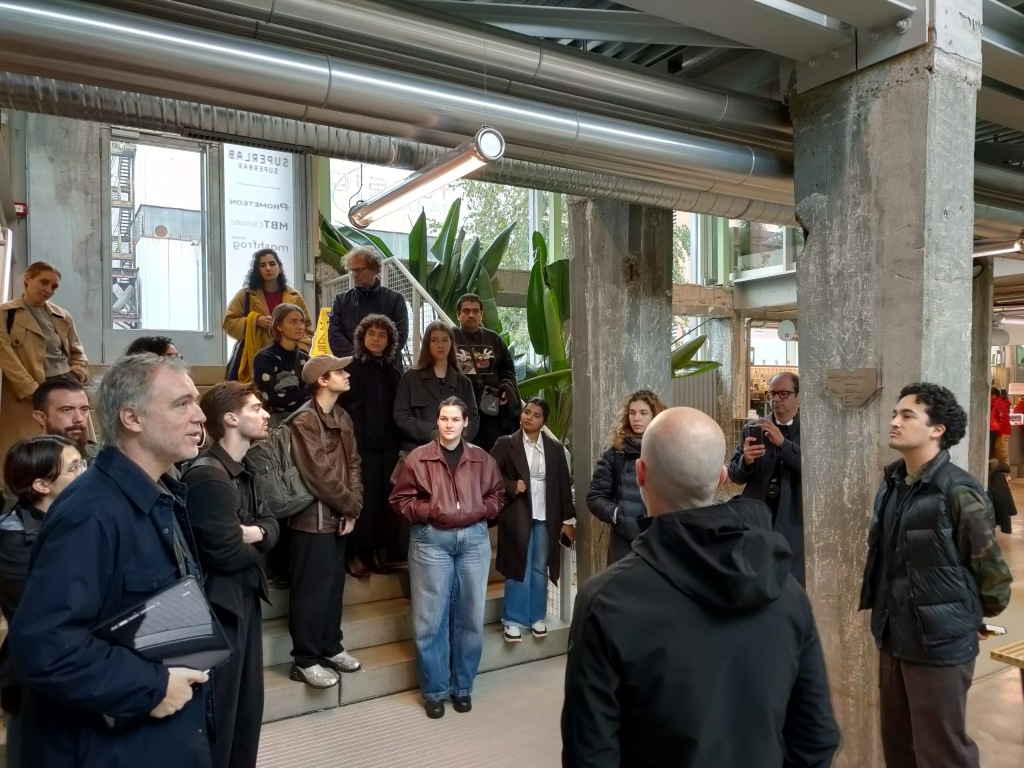
As part of the programme accompanying the exhibition, on Friday, 6 November, at 13:00 the EUmies Awards Out&About invite visitors to discover Bicocca Superlab through a guided visit with its architects, BALANCE Architettura. Reservations here.
The exhibition continues the international journey of the EUmies Awards, reinforcing its role as a platform for sharing knowledge, fostering debate and bringing contemporary European architecture closer to new audiences.
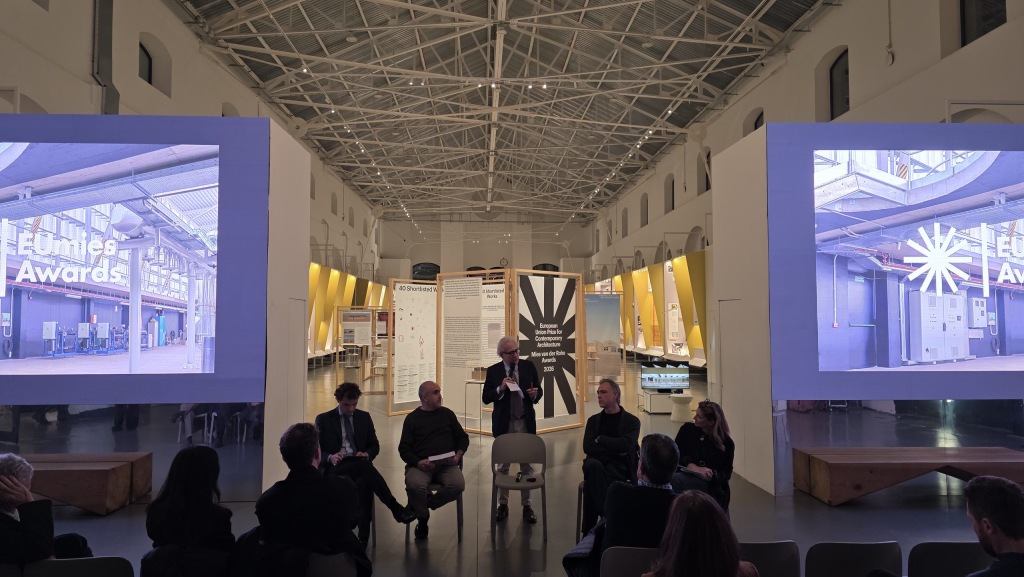
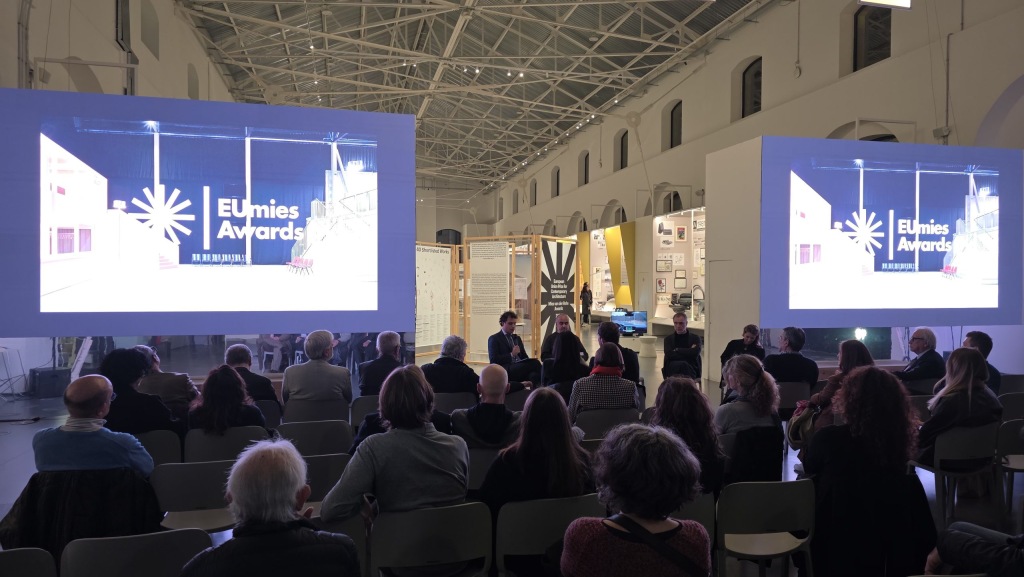
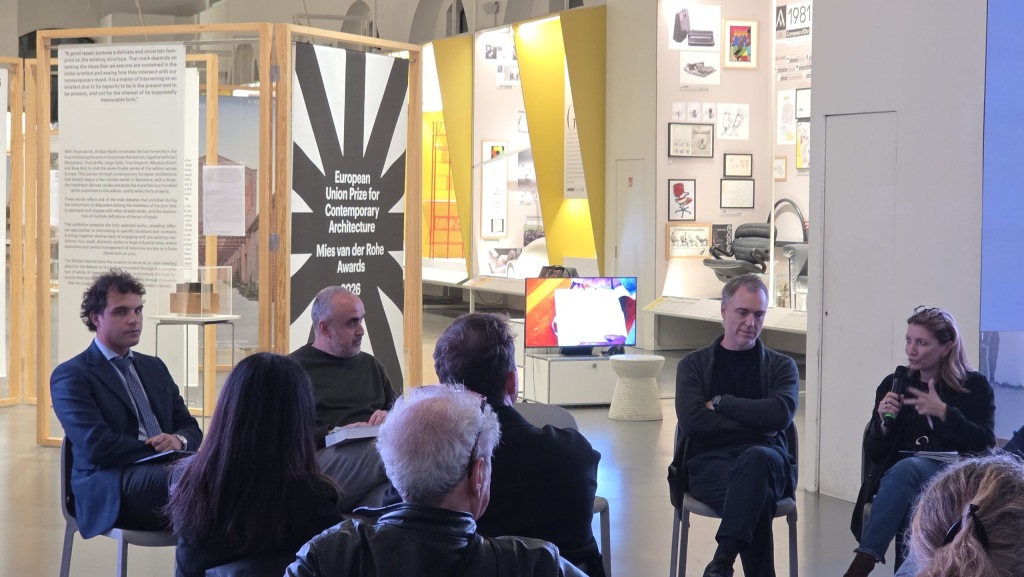
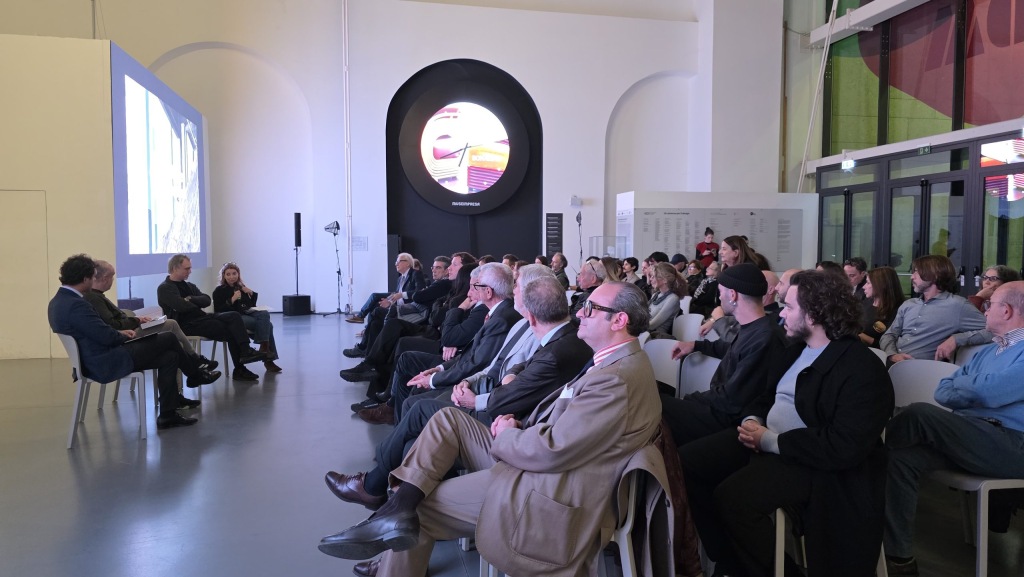
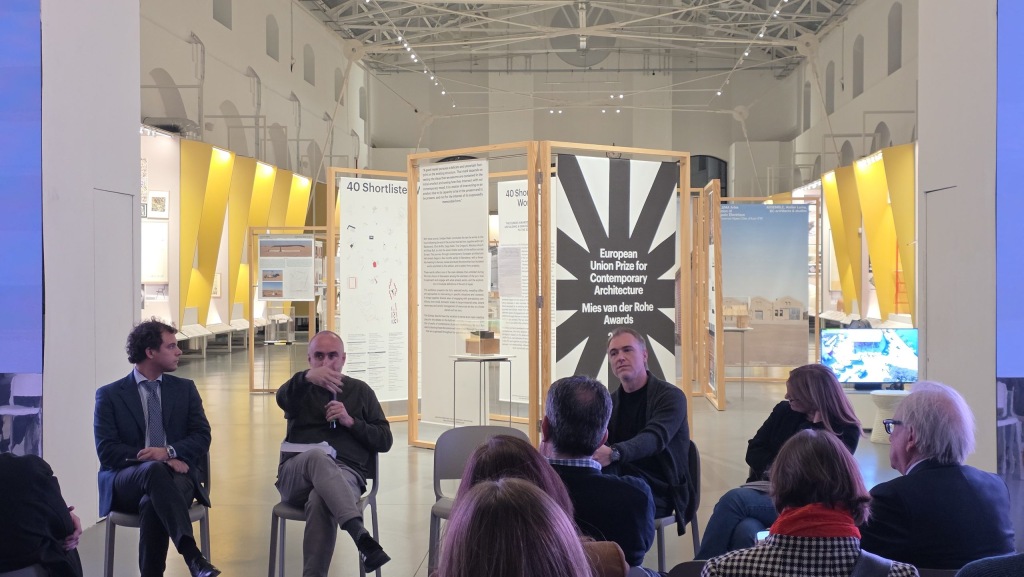
The exhibition opens on 5 November at 18:00h CEST:
- Luciano Galimberti, President of ADI
- Cesare Massa, Representation of the European Commission in Milan
- Francesca Scotti, President of the Milan Order of Architects
- Ivan Blasi, Director of the EUmies Awards
- Alberto Lessan, BALANCE Architettura
- Federico Poggioli, Studio Poggioli
- Aldo Colonetti, philosopher
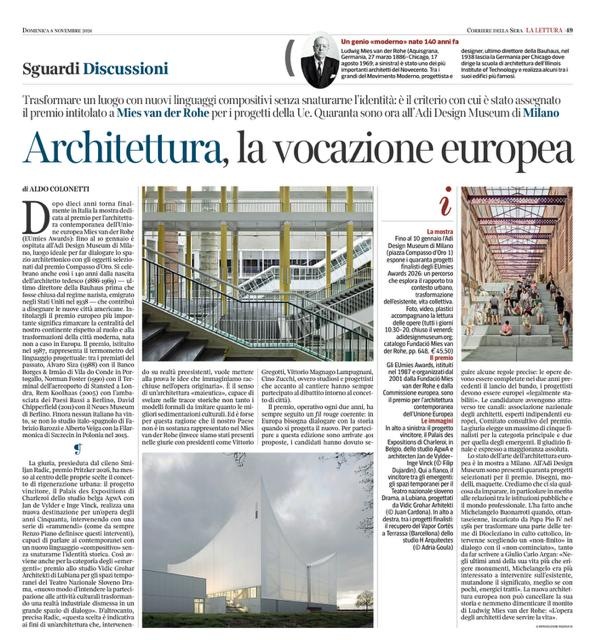
Corriere della Sera – La Lettura
Sunday, November 8, 2026 | Page 49
Sguardi Discussioni (Perspectives & Discussions)
Architecture, the European Vocation
Transforming a place with new compositional languages without distorting its identity: this is the criterion used to award the prize named after Mies van der Rohe for EU projects. Forty are now on display at the ADI Design Museum in Milan.
By Aldo Colonetti
After ten years, the exhibition dedicated to the European Union Prize for Contemporary Architecture / Mies van der Rohe Awards (EUmies Awards) finally returns to Italy. Until January 10, it is hosted at the ADI Design Museum in Milan, an ideal venue to foster dialogue between architectural space and selected objects. In 2026, we also celebrate 140 years since the birth of the German architect (1886–1969) — the last director of the Bauhaus before it was shut down by the Nazis in 1933, who emigrated to the United States in 1938 — who helped shape new American cities.
Hosting the exhibition in Milan is especially significant: it means measuring the centrality of our continent in relation to the role and transformations of the modern city, born and raised in Europe. The prize, established in 1987, represents the thermometer of architectural language: among the past winners are Álvaro Siza (1988) with the Borges & Irmão bank in Vila do Conde in Portugal, Norman Foster (1990) with the Stansted Airport terminal in London, Rem Koolhaas (2005) with the Embassy of the Netherlands in Berlin, and David Chipperfield (2011) with the Neues Museum in Berlin. No Italian has ever won, if not the Italian-Spanish studio of Fabrizio Barozzi and Alberto Veiga with the Szczecin Philharmonic in Poland in 2015.
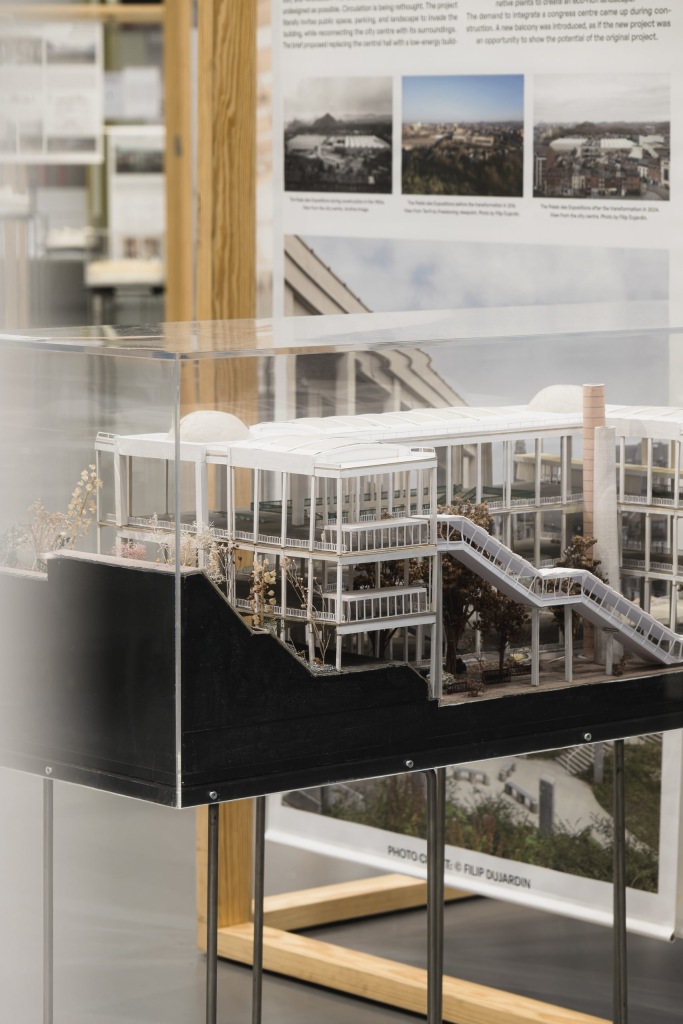
The jury, chaired by architect Smiljan Radić, winner of the 2014 Pritzker Prize, placed the relationship with urban memory at the heart of its choices. The winning project, the Palais des Expositions in Charleroi by the Belgian studios AgwA and architecten jan de vylder inge vinck, creates a new destination for an icon of the 1950s, intervening with a series of “removals” (just as Renzo Piano often defines these interventions) capable of speaking to contemporaries with a “compositional” language without distorting its historical identity.
The same applies to the “emerging” category: the award went to the studio Vidic Grohar Arhitekti of Ljubljana for the temporary spaces of the Slovenian National Theatre Drama, “a new way of understanding participation in cultural activities by transforming a disused industrial reality into a grand space for dialogue.” Furthermore, Radić specifies, “this choice is indicative of the transformations that, by intervening on pre-existing realities, aim to bring into play the idea we imagine as enclosed within the original work.” It is the meaning of an “analogical” architecture, capable of unveiling in historical traces not so much formal models to imitate, but rather cultural sedimentations.
Perhaps for this reason, our country is not substantially represented in the EUmies Awards (instead, we have been present on the juries with presidents such as Vittorio Gregotti, Vittorio Magnago Lampugnani, and Cino Zucchi, as well as scholars and designers who, alongside the founder, have always participated in the international debate on these themes).
The prize, awarded every two years, has always followed a consistent common thread: in Europe, one must engage in dialogue with history when designing the new. To participate in this edition, 410 proposals were submitted; candidates had to follow some precise rules: works had to be completed within the previous two years; the location of the project had to be European; and the architect did not have to be European. Nominations come through three channels: national architectural associations, independent experts, and the advisory committee of the prize.
The jury selects a maximum of five finalists for the main category and two for the emerging category. The final judgment is expressed by an absolute majority. The selection of finalists is now on display in Milan. At the ADI Design Museum, forty projects selected for the prize are presented. Drawings, models, and scale replicas. We believe there is something to learn, particularly regarding the relationship between public institutions and the professional world. Michelangelo Buonarroti did just that when, at eighty-nine years old, commissioned by Pope Pius IV to transform part of the Baths of Diocletian into a Catholic church, he intervened by choosing a “non-finished” style in dialogue with the sound of the bells, having Giulio Carlo Argan write in the final years of his life that by erecting monumental works, Michelangelo was no longer interested in intervening on the exterior, maturing the meaning, resolved with a few, energetic strokes.
New European architecture cannot erase its history and we must not forget Mies van der Rohe’s motto: “The work of architects must serve life.”
Sidebars
A “Modern” Genius Born 140 Years Ago
Ludwig Mies van der Rohe (Aachen, Germany, March 27, 1886 – Chicago, August 17, 1969) was one of the most important architects of the twentieth century. Among the masters of the Modern Movement, he was the last director of the Bauhaus; in 1938 he left Germany for Chicago, where he directed the school of architecture at the Illinois Institute of Technology and built some of his most famous buildings.
The Exhibition & The Prize
- The Exhibition: Until January 10, the ADI Design Museum in Milan (Piazza Compasso d’Oro 1) exhibits the forty finalist projects of the EUmies Awards 2026: a journey that explores the relationship between urban context, transformation of the existing, and collective life. Photos, videos, models, and scale replicas accompany the narrative of the works (Tue–Sun, 10:30 AM – 8:00 PM; closed Fridays; adidesignmuseum.org; catalog published by Fundació Mies van der Rohe, 548 pp., €45.50).
- The Prize: The EUmies Awards, established in 1987 and organized since 2001 by the Fundació Mies van der Rohe and the European Commission, are the European Union’s prize for contemporary architecture. Alongside the winning Palais des Expositions in Charleroi, Belgium, by AgwA and architecten jan de vylder inge vinck (left), the emerging award went to Vidic Grohar Arhitekti (Joan Cardona) for the Slovenian National Theatre Drama in Ljubljana. Also among the finalists were the Expositur in Chur, Switzerland (Barozzi Veiga), and the recovery of Vapor Cortès in Terrassa (Barcelona) by the studio H Arquitectes (Adrià Goula).
Curator: Anna Sala (Fundació Mies van der Rohe)
Coordination: Daniel Crespo (Fundació Mies van der Rohe)
Mounting: ADI + Fundació Mies van der Rohe
Videos: Robbrecht Desmet, Amir Muratović, Nihao Films, Manon Turina and François Marques – DAO Production, Jean-Marie Montangerand and Raphaëlla Dhayaa – FILMAA, Saša Ban, and Jasper Meurer and Rocío Calzado – Docar Films
Modular furniture: USM
Wood structures: Jorge García Olaya
Steel stools: Jorge Vidal studio
Models: each architecture studio
Surface: 300m2
Visitors: XXX people
Collateral activities: