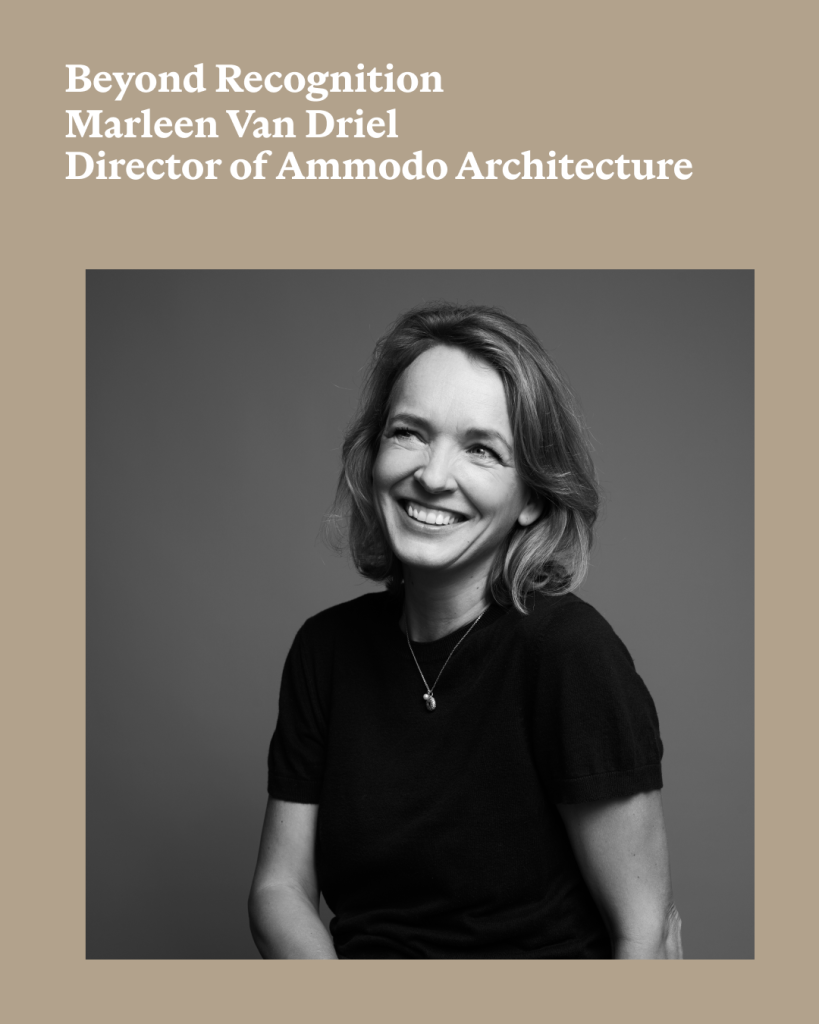
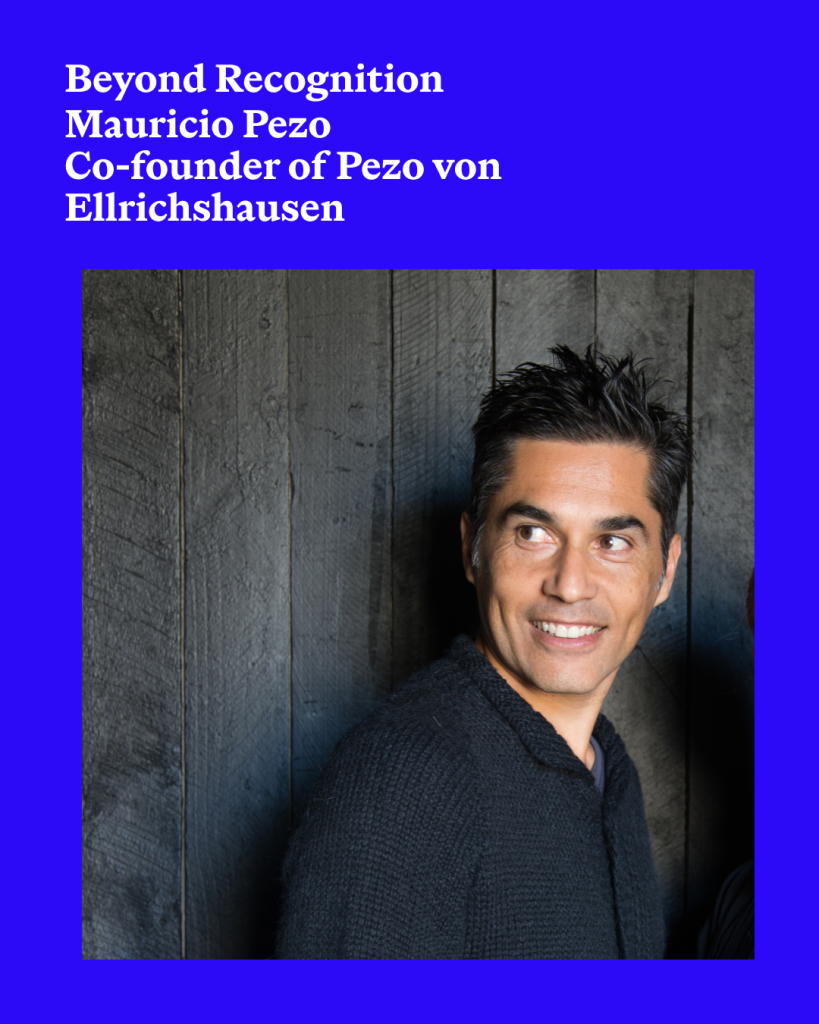
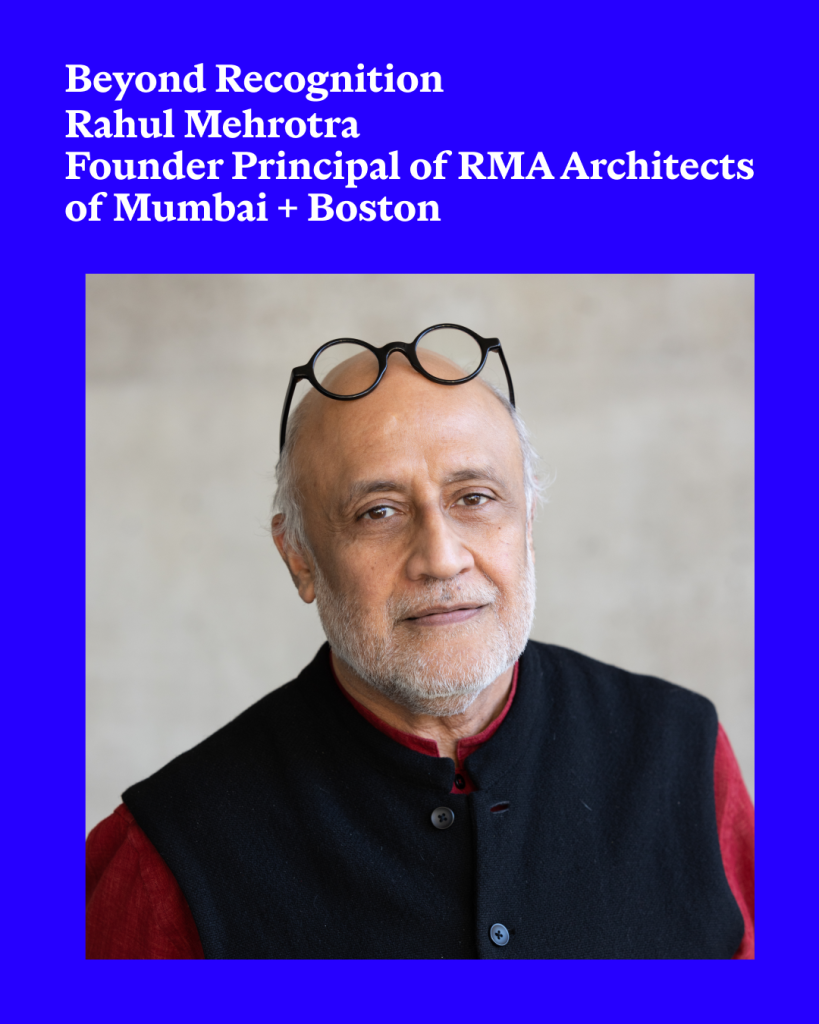
Beyond Recognition
June 29, 2026
June 29, 2026
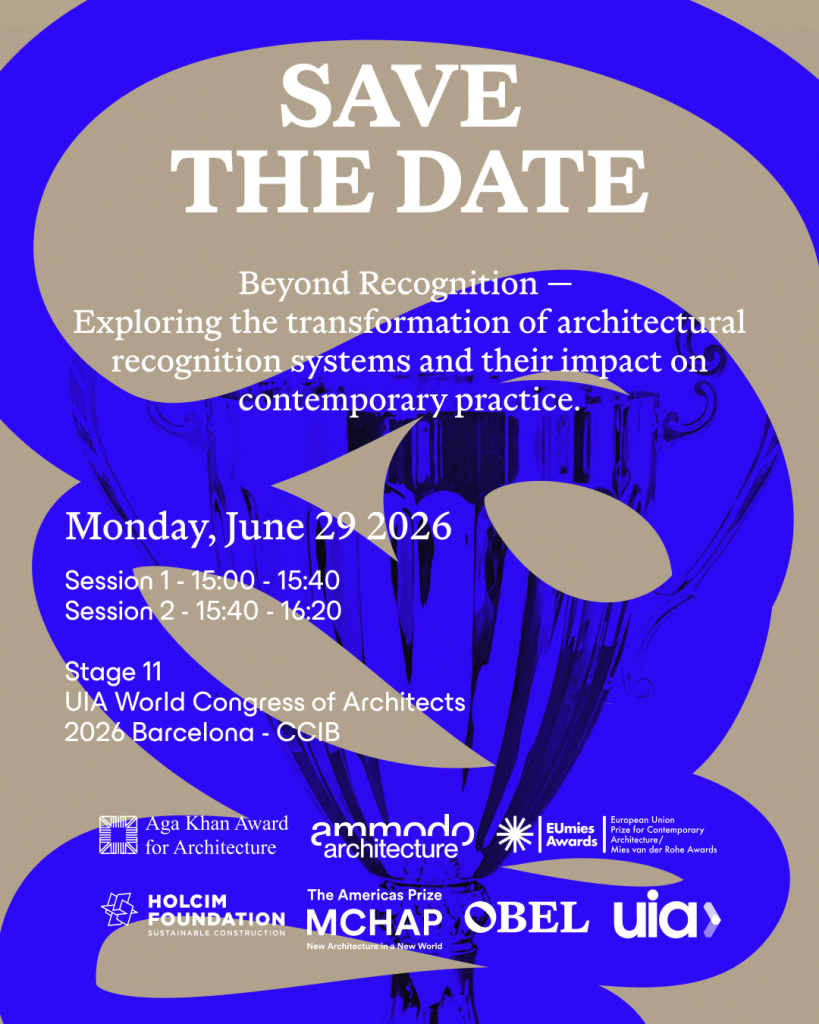
Beyond Recognition – Exploring the transformation of architectural recognition systems and their impact on contemporary practice
Monday June 29th 2026; 15:00 – 16.20 at UIA CCIB Stage 11 during UIA 2026
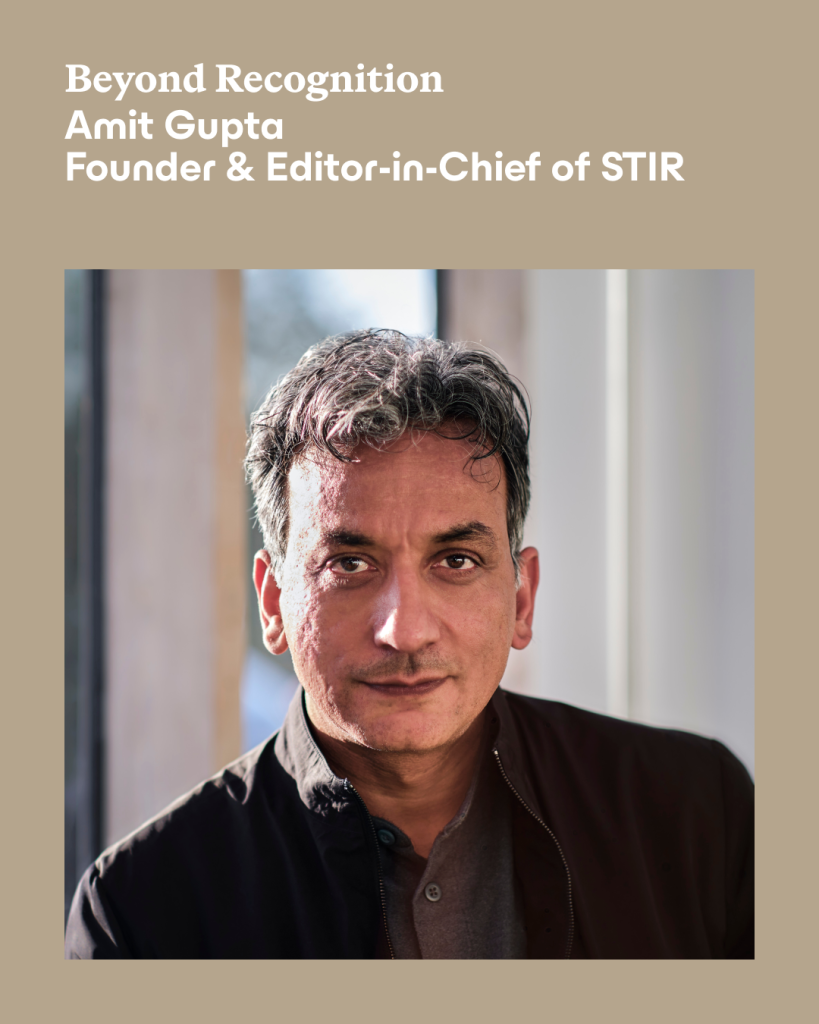
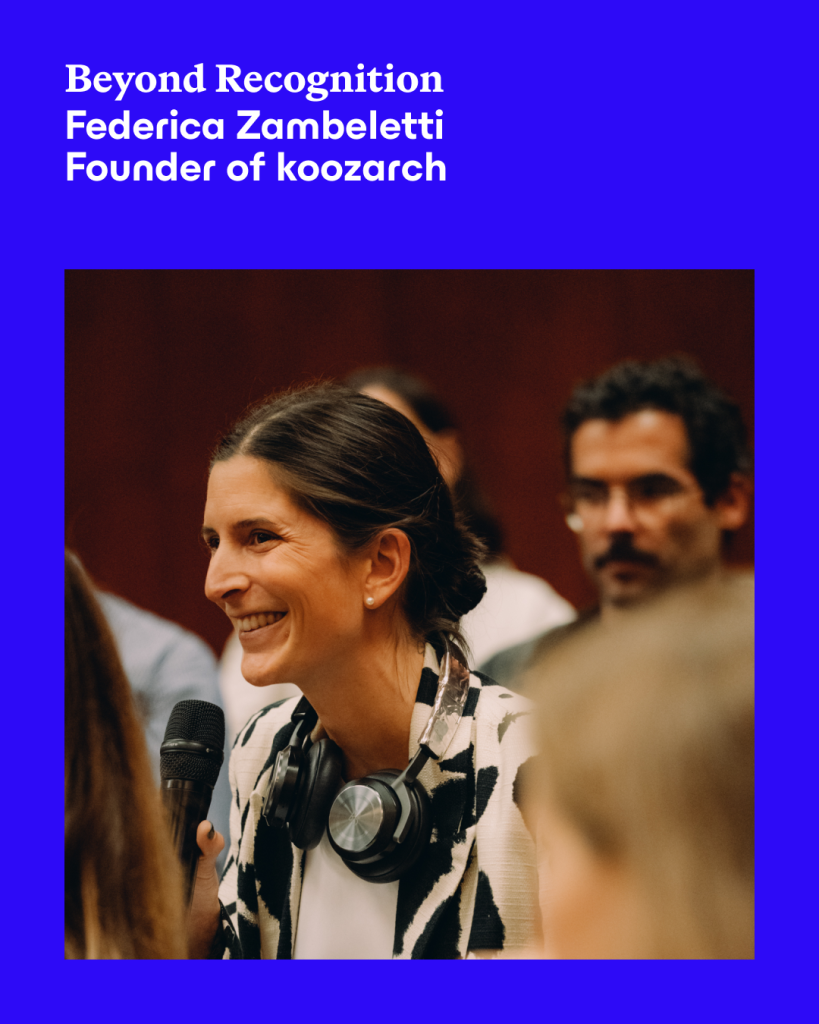
Beyond Recognition is structured around three main areas of enquiry, each introduced and led by a moderator: Christele Harrouk (Editor-in-Chief, ArchDaily), Amit Gupta (Founder and Editor-in-Chief, STIRworld), and Federica Zambeletti (Founder and Managing Director, KoozArch). Together, these conversations will explore how architectural awards recognise excellence, shape professional discourse, and influence the future of the discipline.
Each section will be guided by a series of questions designed to prompt reflection and discussion among the invited contributors. While lead respondents will be invited to respond to specific questions, all participants are encouraged to join the conversation throughout, building on one another’s insights and experiences. The aim is to foster an open, generous, and intellectually stimulating exchange that moves beyond individual viewpoints to create a richer collective dialogue on the role and impact of architectural awards today.
1- From Icons to Impact: Has Architecture Changed Its Orthodoxy?
Introduced and moderated by Federica Zambeletti (founder & managing director, KoozArch)
This first part of the session explores how architecture defines value and what responsibilities accompany that definition. As the discipline has moved from celebrating individual authorship and iconic form towards broader concerns of social and environmental impact, the criteria by which architecture is recognised have also shifted. Yet this raises important questions: what forms of value are being elevated today, and which remain overlooked? Are awards simply reflecting changing priorities within the profession, or are they actively shaping them? By examining the responsibility of those who define and reward architectural excellence, the discussion asks whether contemporary systems of recognition remain open to diverse interpretations of value or risk establishing new orthodoxies of their own, and how excellence can be evaluated in ways that are rigorous, inclusive and responsive to architecture’s responsibilities towards society, culture and the environment.
Lead respondents:
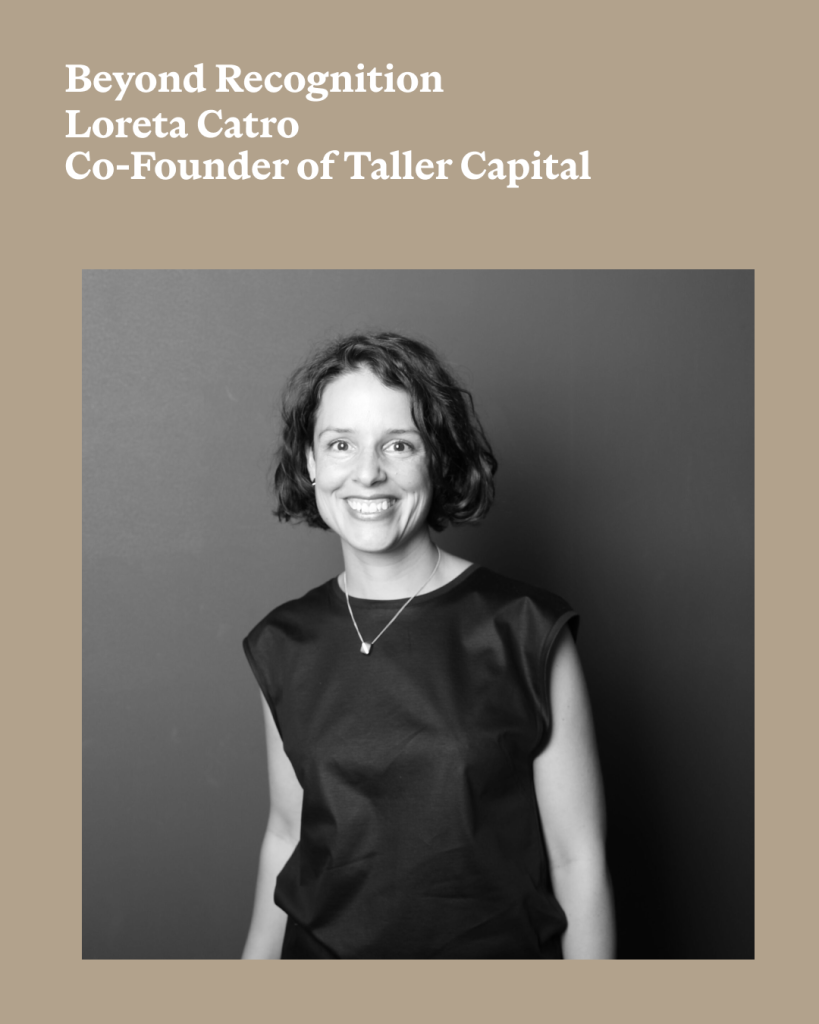
● Loreta Castro
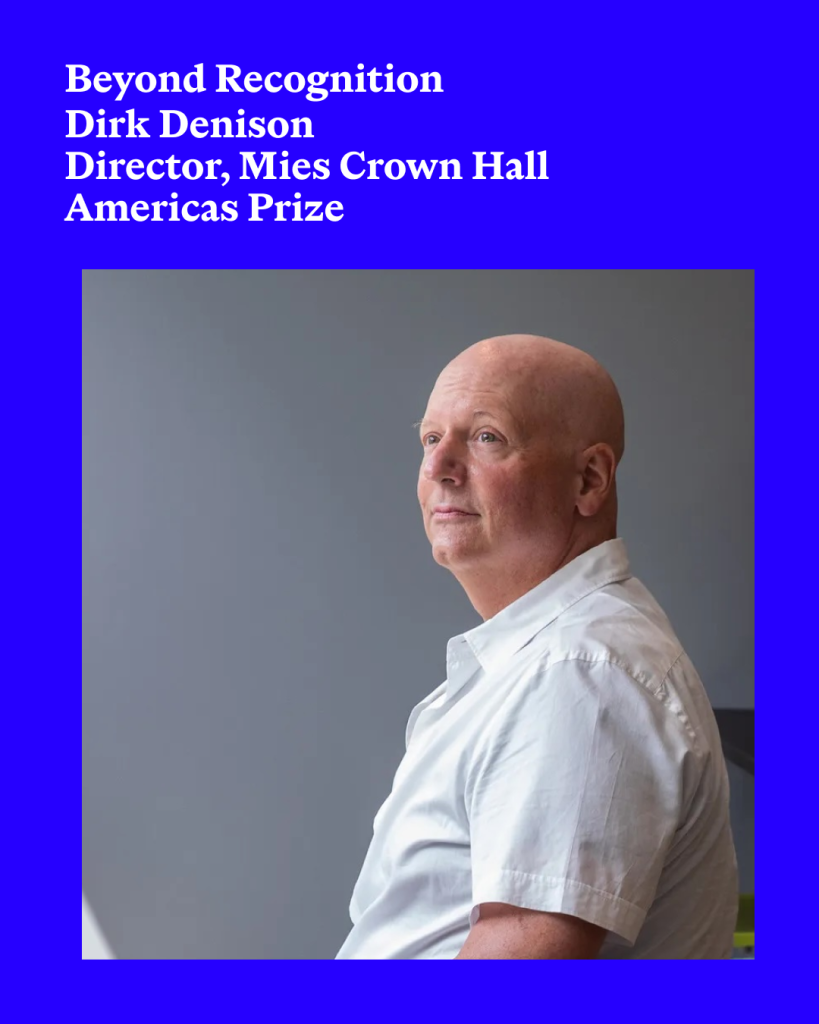
● Dirk Denison
● Mauricio Pezo
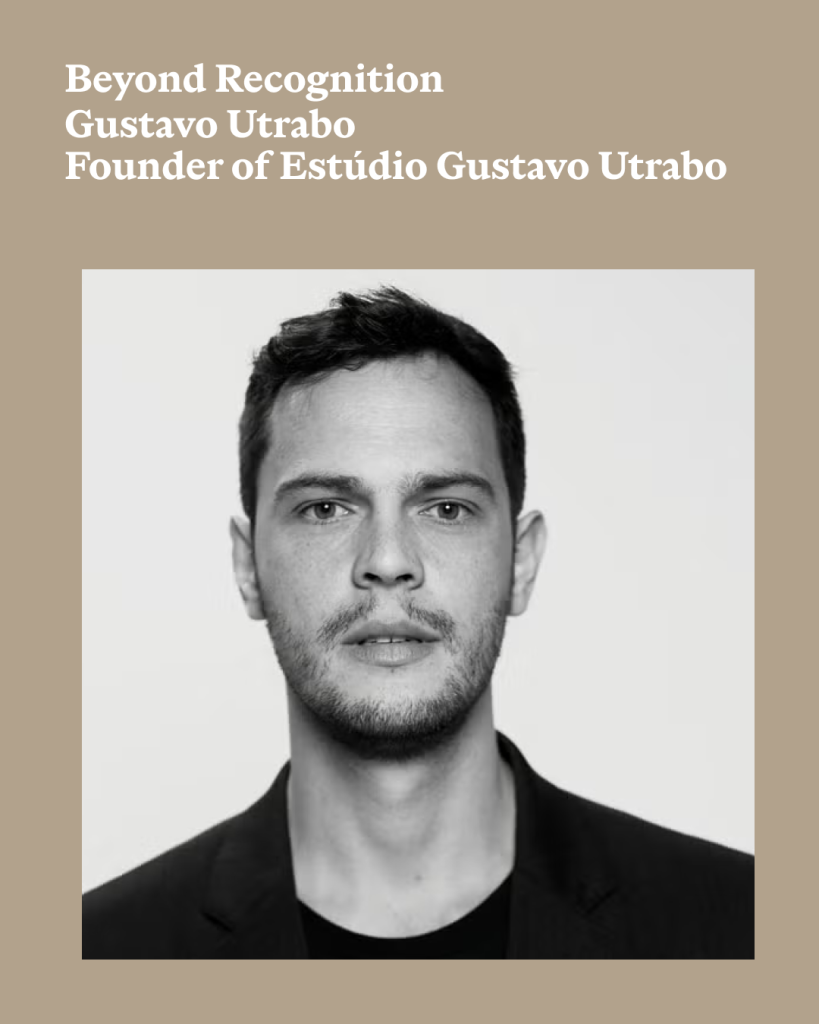
● Gustavo Utrabo
Contributing respondents:
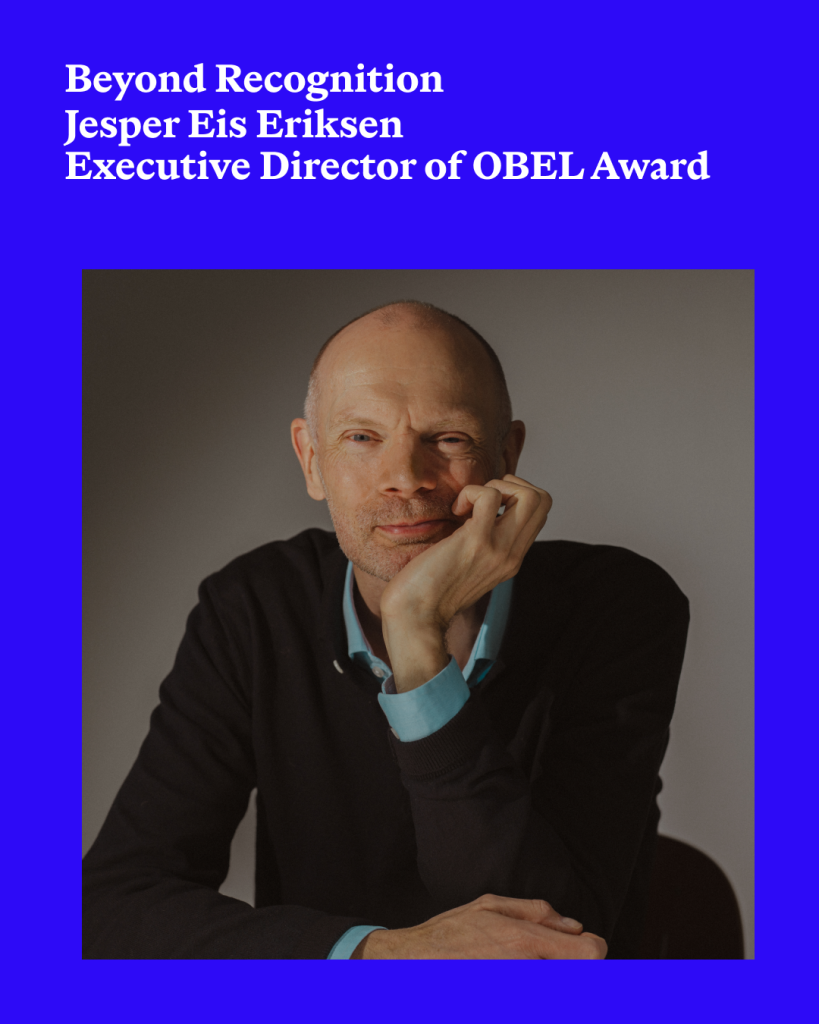
● Jesper Eis Eriksen
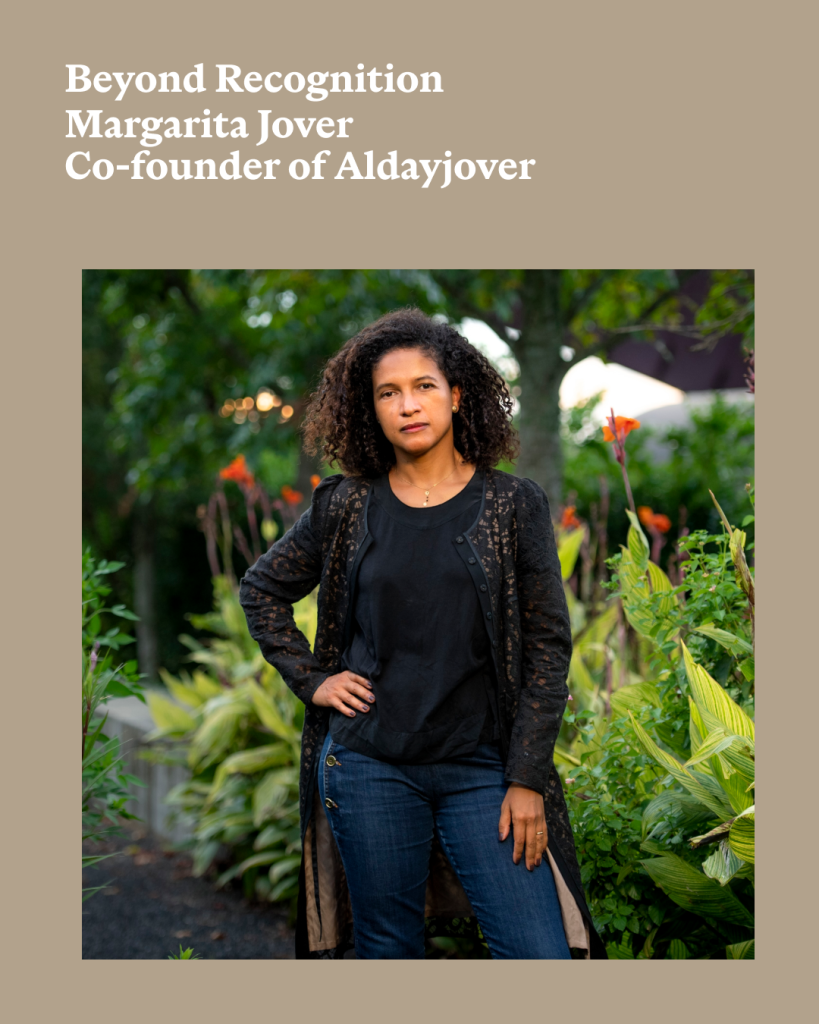
● Margarita Jover
● Rahul Mehrotra
● Kate Orff
2- Shaping Practice: What Recognition Does to the Profession
Introduced and moderated by Christele Harrouk (editor-in-chief, ArchDaily)
In the first discussion, we examined how awards define architectural value. In the second part of this session, we will explore the consequences of those decisions. Awards recognize architecture and therefore shape the profession itself, influencing design priorities, professional opportunities, institutional agendas, and the kinds of projects that gain legitimacy, support, and visibility. By affecting what gets commissioned, celebrated, and replicated, they help define the future direction of architectural practice.
The conversation will examine the extent to which awards shape, rather than simply reflect, architectural practice. It will explore how systems of recognition affect what architects choose to pursue, how they influence commissions and decision-making, and how they shape career trajectories and professional ecosystems. We will also consider what kinds of architecture are being produced today because awards exist, and what kinds might be missing as a result of the values and criteria they promote. Finally, the discussion will question whether awards bear responsibility for the long-term impact of the work they celebrate beyond its immediate architectural achievement, and how far they influence the evolution of the profession itself.
Lead respondents:
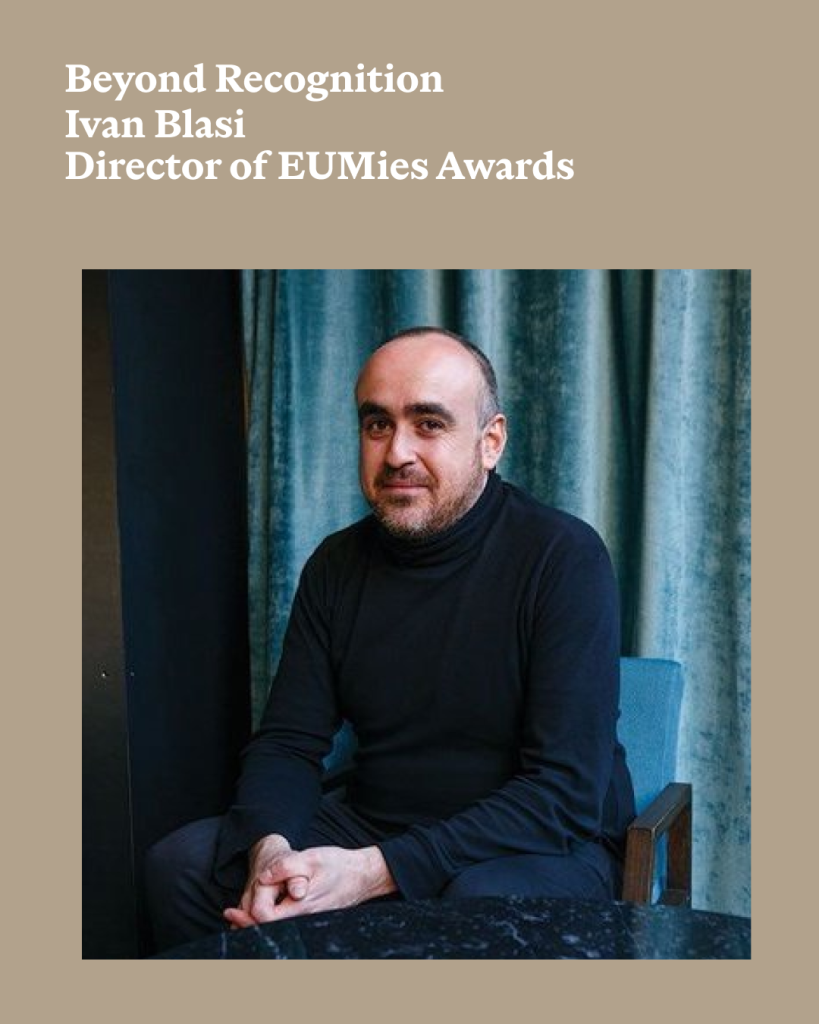
● Ivan Blasi
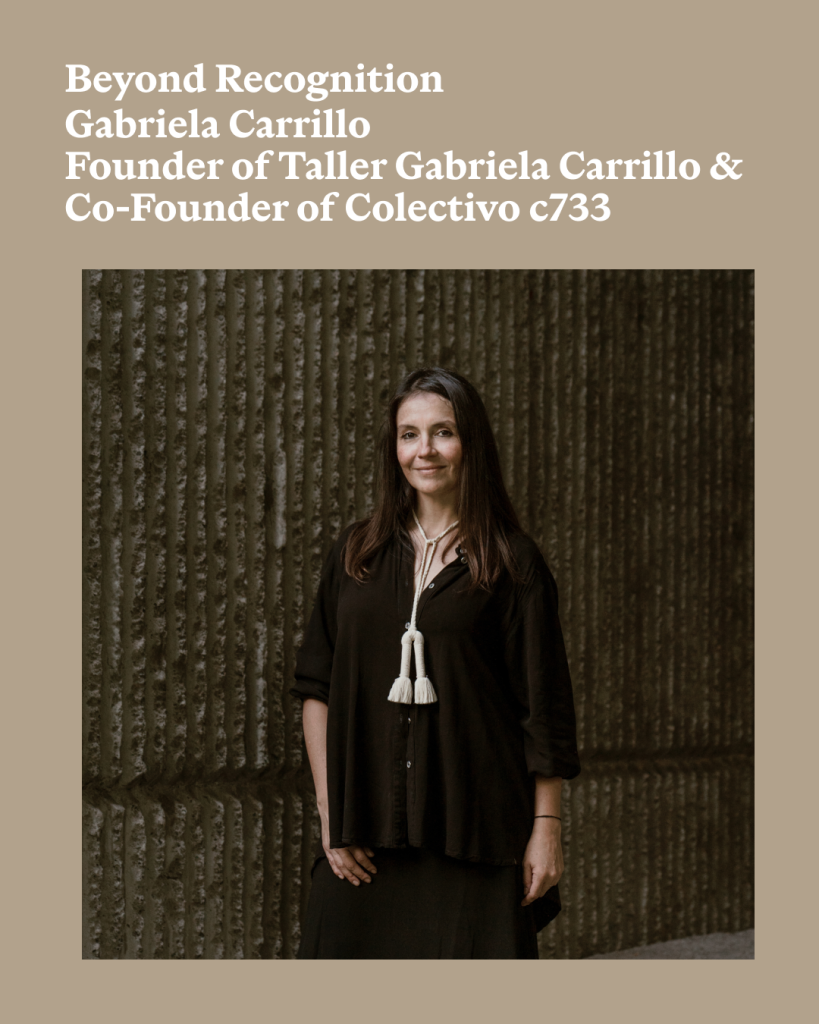
● Gabriela Carrillo
● Rahul Mehrotra
● Kate Orff
Contributing respondents:
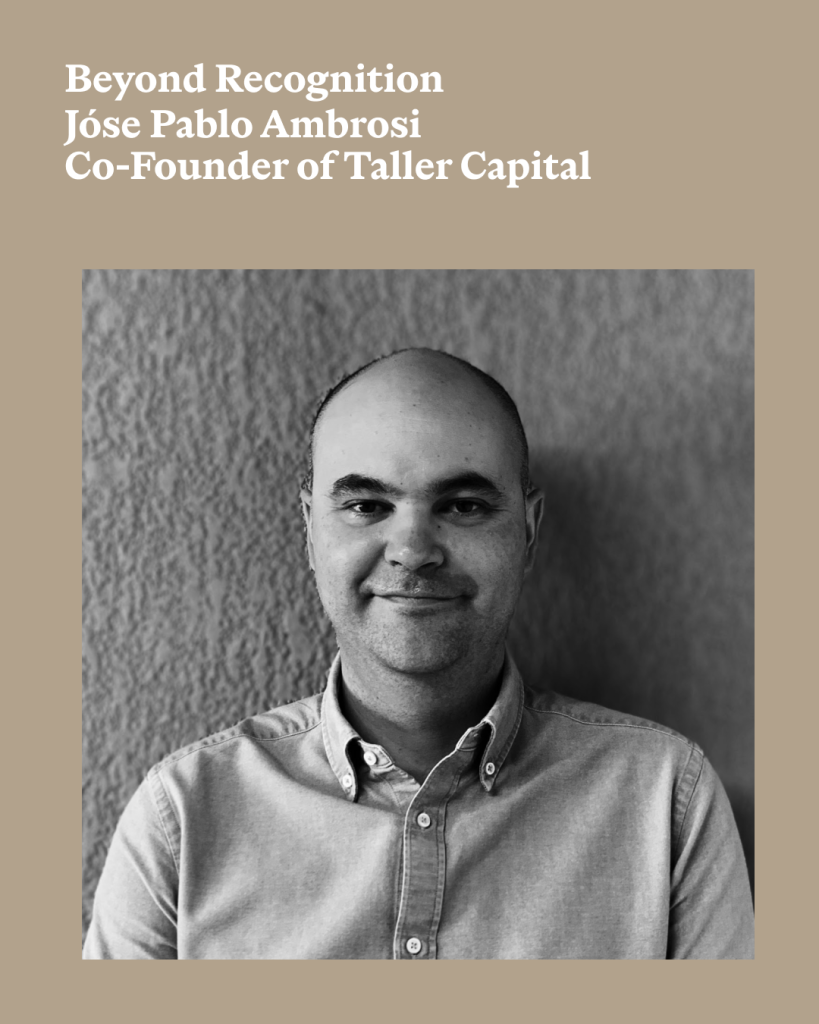
● José Pablo Ambrosi
● Alejandro Echeverri
● Jesper Eis Eriksen
● Dirk Denison
3- Visibility and Future are the same argument at different points in time
Introduced and moderated by Amit Gupta (founder & editor-in-chief, STIRworld)
What we make visible today indicates towards the future we build tomorrow. If the visibility infrastructure systematically under-represents certain geographies, typologies, and practices, then the future being built will remain partial.
VISIBILITY
Architecture’s relationship with visibility has never been neutral and awards are implicit in that. They don’t simply discover excellence; they amplify what is already partially legible, on terms that are rarely interrogated. A project must be translatable into the language of the awarding system to be recognised at all: institutionally affiliated, professionally documented, legible in English, capable of being submitted.
What this means, in practice, is that the invisible practices, those without photographers, without affiliations, without submission infrastructure, never enter the room. The geographic map of recognition has widened, the question is whether that widening has produced anything structural in commissions
received, in curricula changed, in the conditions of practice actually altered. Recognition without downstream consequence is a form of tokenism.
Awards and Media exist in a mutually reinforcing ecosystem. Media generates coverage, coverage generates submissions, submissions generate awards, awards generate media coverage. This part of the conversation asks what it would take to break that loop?
FUTURE
The UIA Congress theme is Becoming, a word that implies incompleteness, movement, process. Awards, by their nature, are retrospective: they celebrate what has already been conceived and/or built. If the architecture discipline is genuinely trying to become something different, can a recognition system designed to look backwards help it get there or is it structurally condemned to celebrate what the conversation has already decided is important? That temporal tension is fundamental is what this section unpacks.
To sit with that discomfort, and with a set of related questions that current award frameworks struggle to hold: how do you reward process over product, maintenance over construction, or the responsible refusal to build at all? How do awards design porous enough benchmarks to hold a genuine plurality of practice across geographies, typologies, and scales of ambition (without flattening that plurality)? And as the planet changes faster than award cycles, what would a living award look like? One that is revisited, re-evaluated, sustained or overruled?
Lastly, the people who will inherit the consequences of today’s decisions should have a voice in what today celebrates. Who gets a seat at the deciding table? What we make visible now is the future we build next.
Lead respondents
– José Pablo Ambrosi
– Tatiana Bilbao
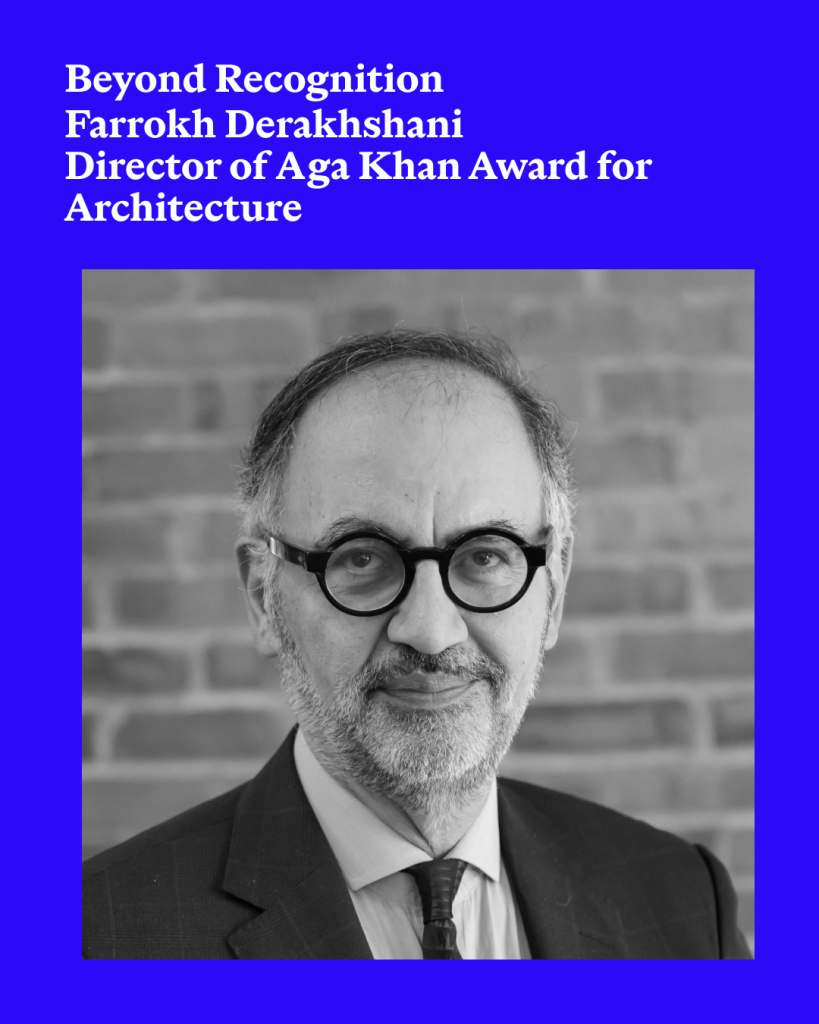
– Farrokh Derakhshani
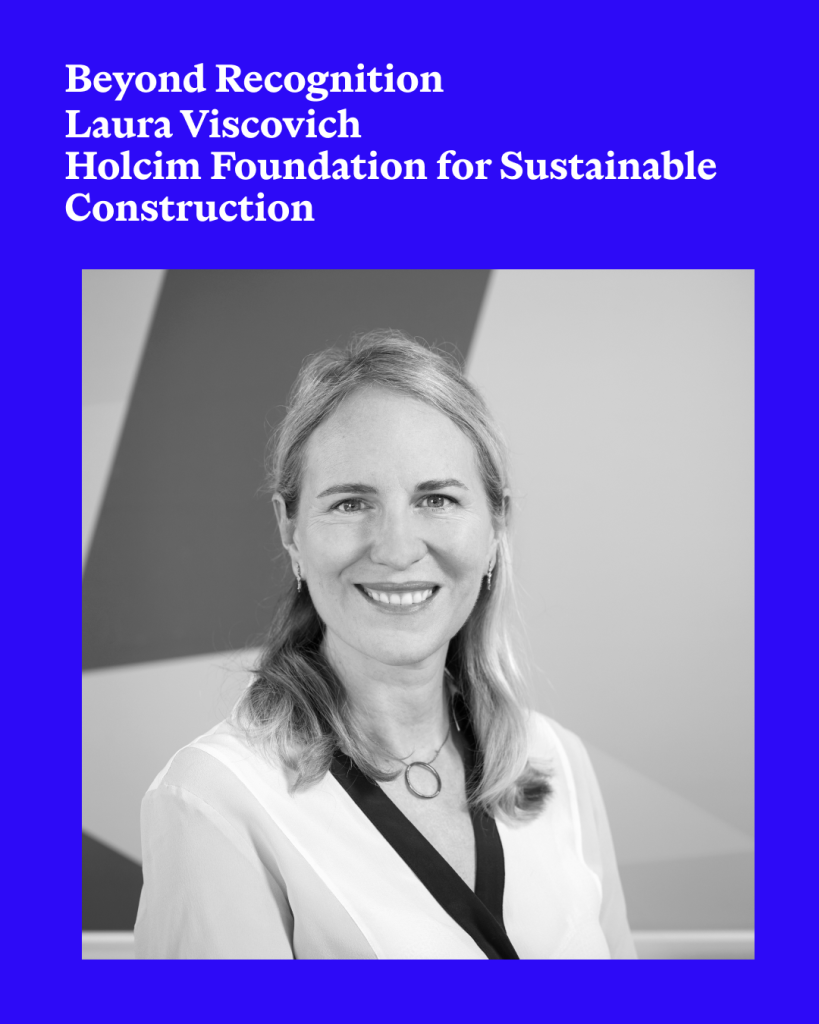
– Laura Viscovich