-
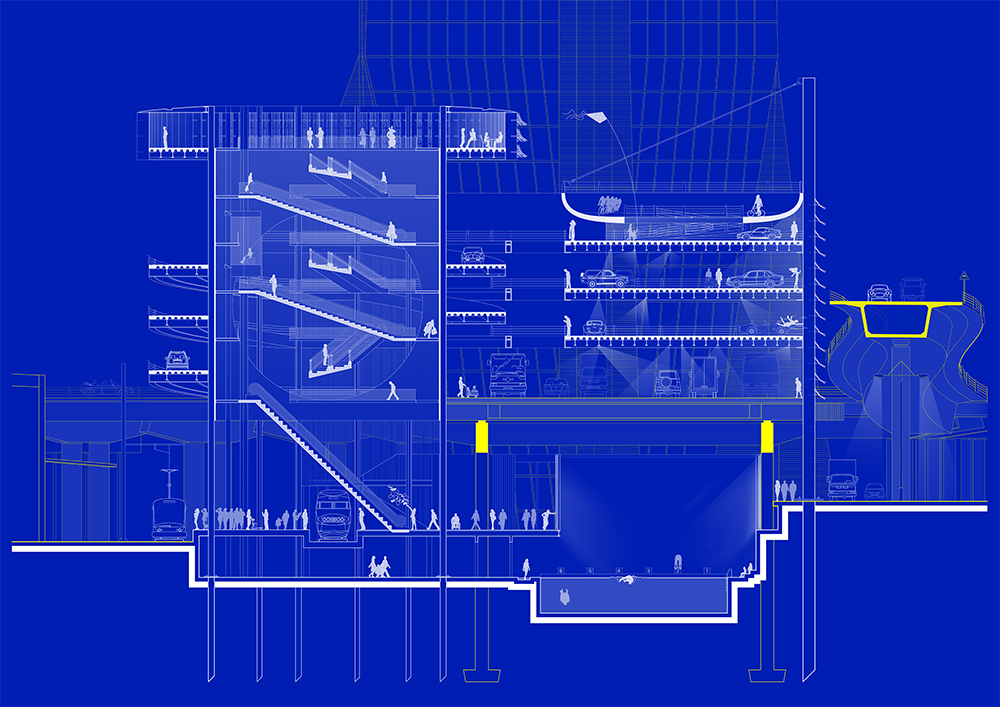
Cross Section
-
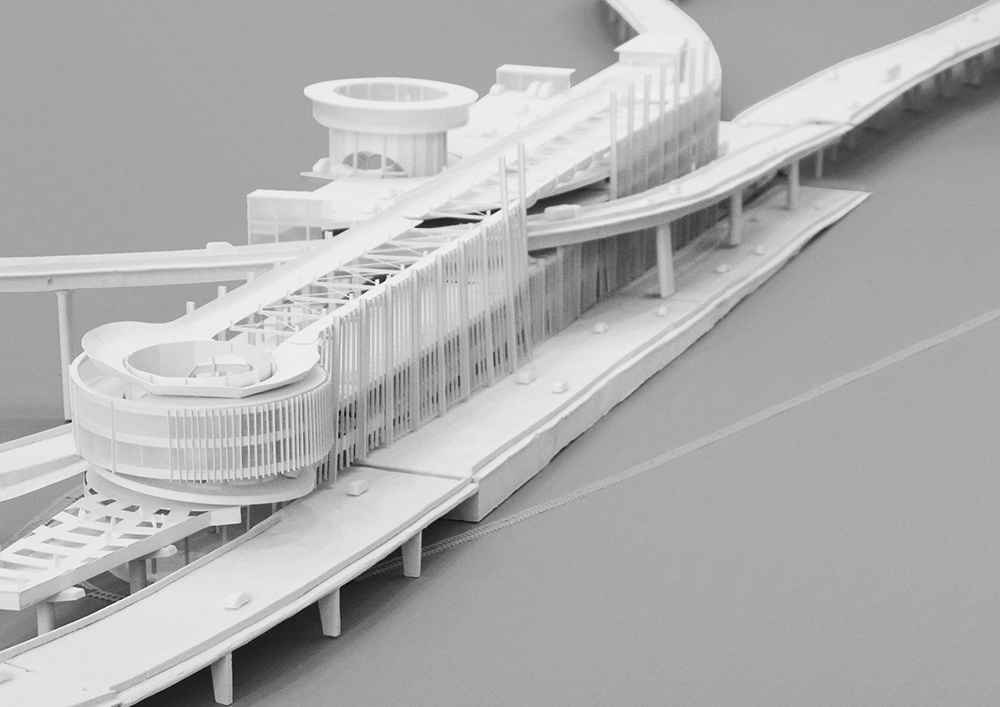
Project Model
-
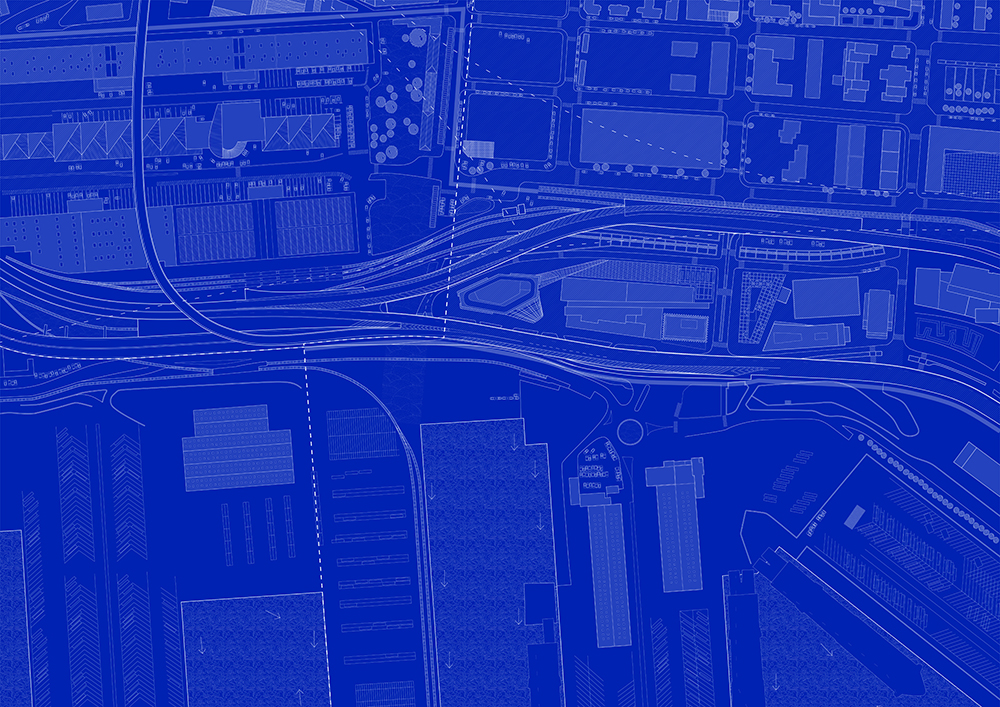
Site Map
-
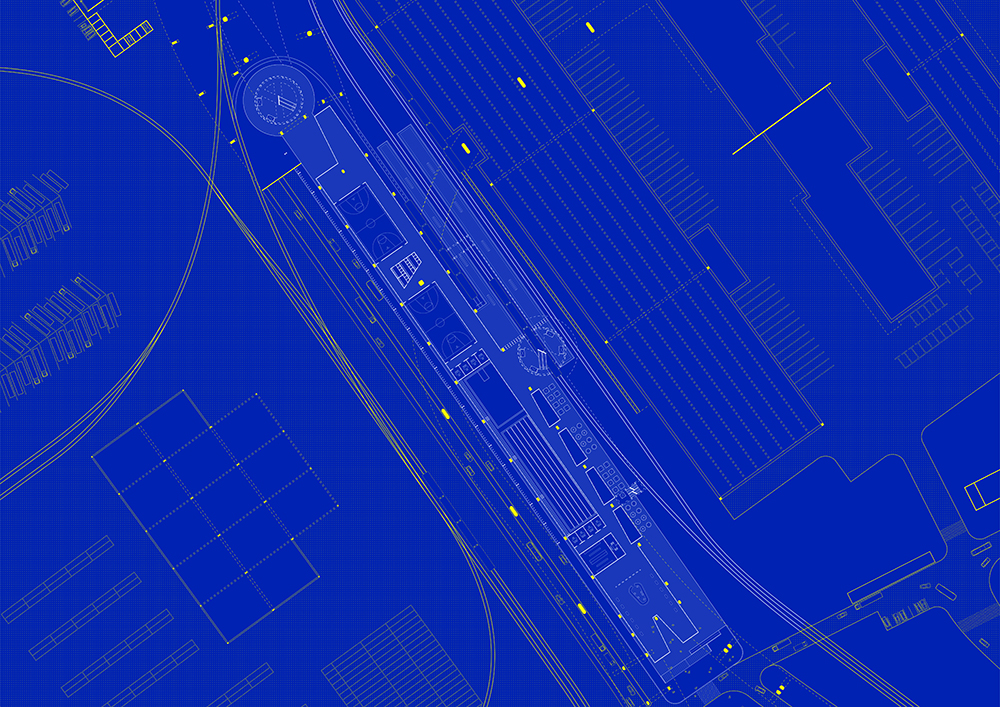
City Level Plan
-
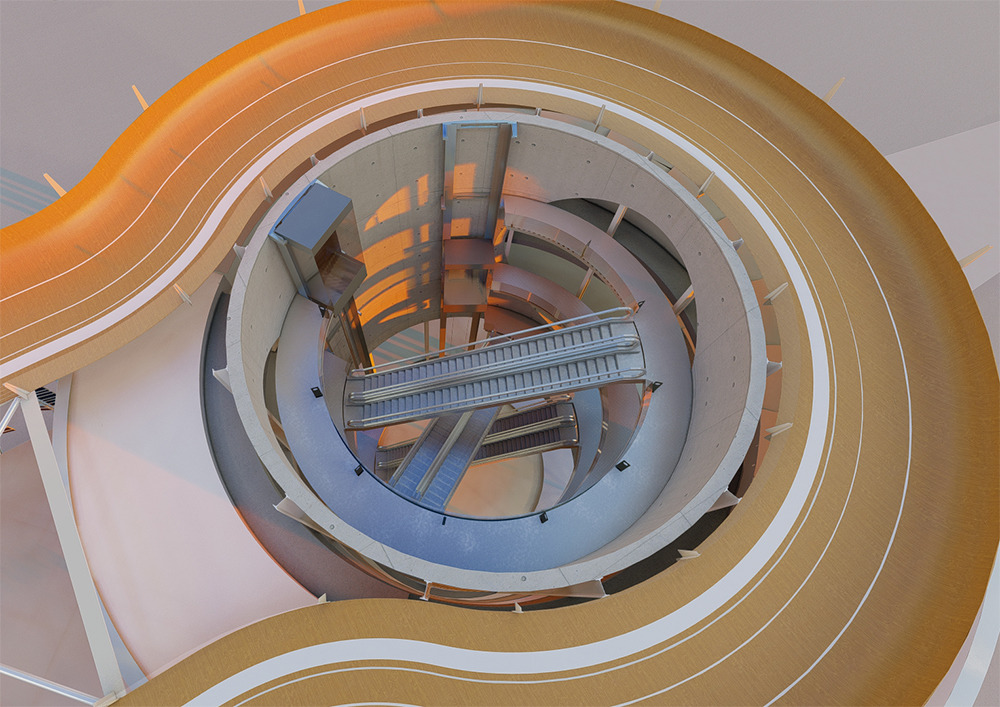
Aerial View of a Circulation Core
-
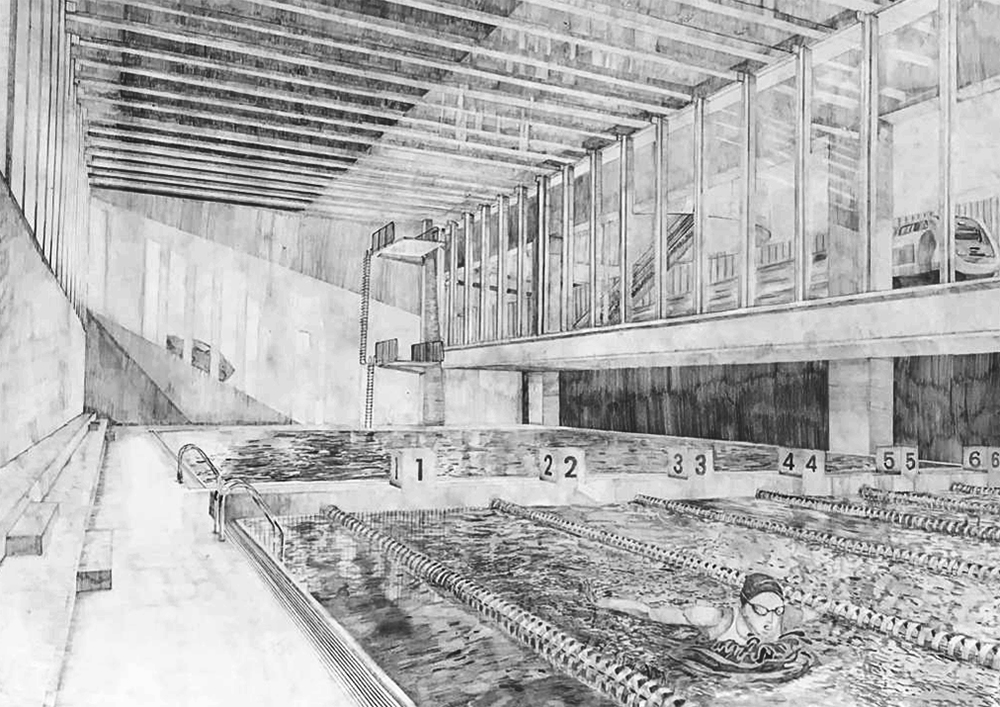
Swimming Pool Drawing
-
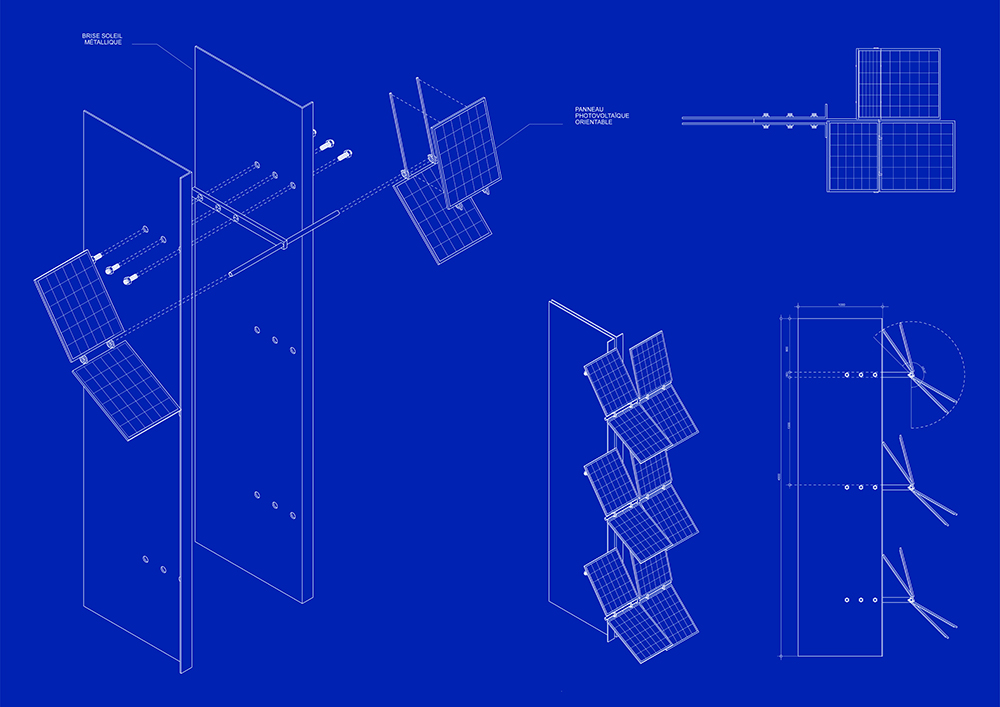
Solar Facade (Details)
-
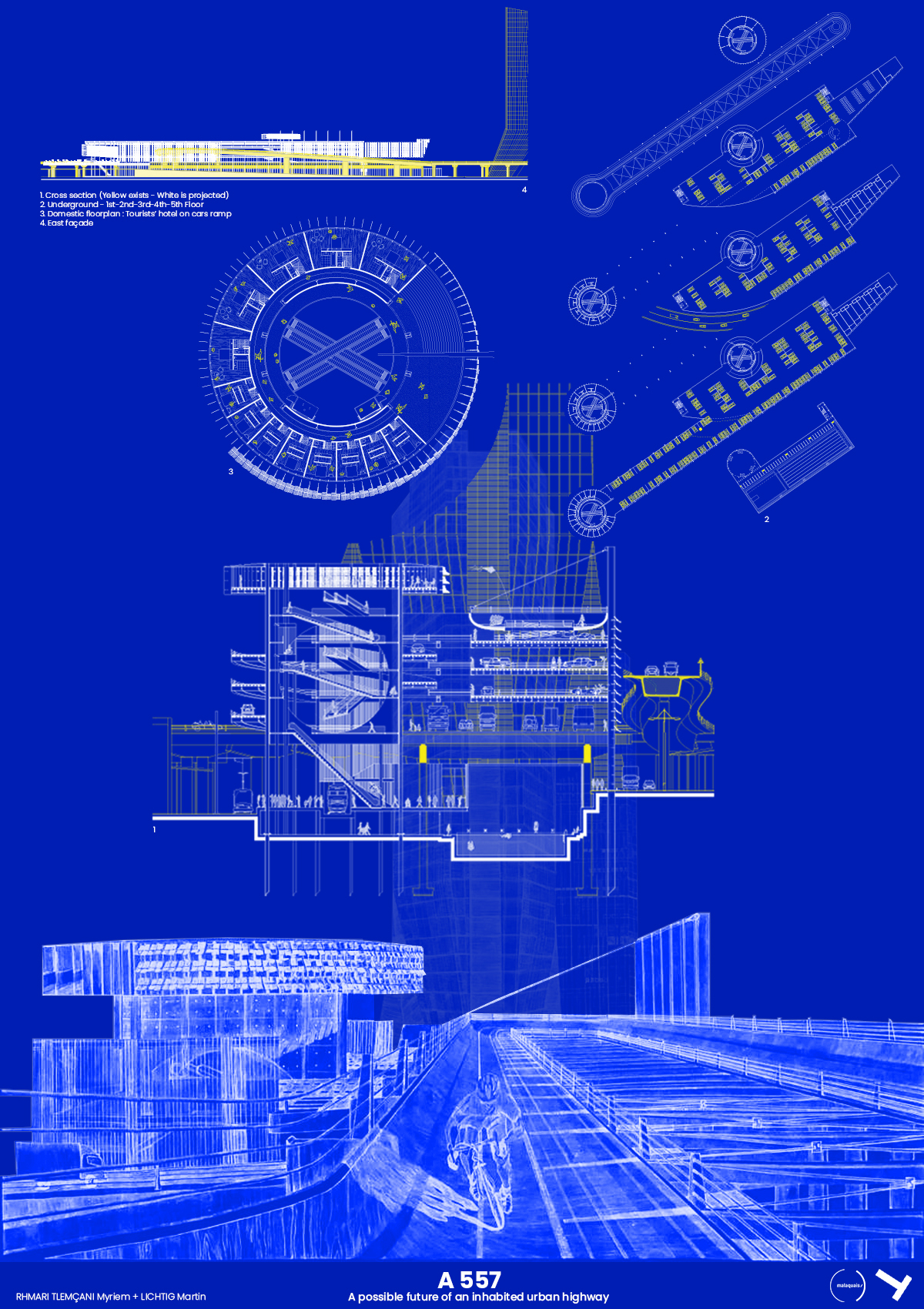
A 557: A possible future of an inhabited urban highway
-
-
Name of work in English
A 557
-
Name of work in original language
A Possible Future of an Inhabited Urban Highway
Prize year
Young Talent 2023
-
Work Location
Marseille, France
-
Author/s
Myriem Rhmari, Martin Lichtig
-
School
National School of Architecture Paris Malaquais - University Paris Sciences & Lettres.
Paris, France
Young Talent 2023 YT Nominees
A 557
A Possible Future of an Inhabited Urban Highway
Program
Mixed use - Infrastructure & Urban
-
Labels
Aggregation · Facilities · Intermodal · Regeneration · Road & Highway
In opposition to the announced burial of the viaducts in North Marseille and the demolition of these engineering structures, a counter-project of a hub, connecting local and regional transportation, is projected on this urban highway. It demonstrates that the infrastructure can be maintained by being increased, inhabited, serviced and architected.
This very morning, more than 100,000 motorists entered Marseille from the north. The aim is therefore to neither deny nor hinder this use of Marseille’s urban highway. The intention is more focused on adapting it to today and tomorrow’s mobility. Here, both the road network and the rail network are supplied north by the airport and south by the port. Hence the idea of expanding the transport infrastructure through the creation of a hub. Connecting all these present means of transportation allows a transition from individual and motorized mobility to sustainable and/or collective. So far, the opportunity was only given to cross the urban highway at full speed. From now on, this speed is given to watch as a show from the different living spaces of the hub. According to the duration of their stopover, users can enjoy the view during a connection, use sports equipment or hotels for a departure by ferry at dawn. Here, a variety of users come across each other: Marseille’s citizens, workers from outlying districts, tourists, port workers and ship crew. If Marseille currently plans to bury the coastal viaducts, we think about their rehabilitation through a counter-project in favor of their maintenance. Among our motors, the ecological one: in addition to not destroying anything and, therefore, not producing inert waste, this project does not artificialize any additional square meters on a site already saturated by construction. The second relates to the credibility of the project: rather than speculating on a car-free future, we consider the daily use of these viaducts by the inhabitants of Marseille and we maintain road traffic. The last consists of a necessary change of perspective on these works of art: their elusive scale and interlacing, their sculptural dimension, are just waiting to be revealed. By amplifying through programs, inhabiting through uses, servicing through comfort and architecting through the relationship to the “already-there”, our project ultimately embodies a positive answer to the brief question, that of a possible and even perhaps desirable rehabilitation of the infrastructures.