-
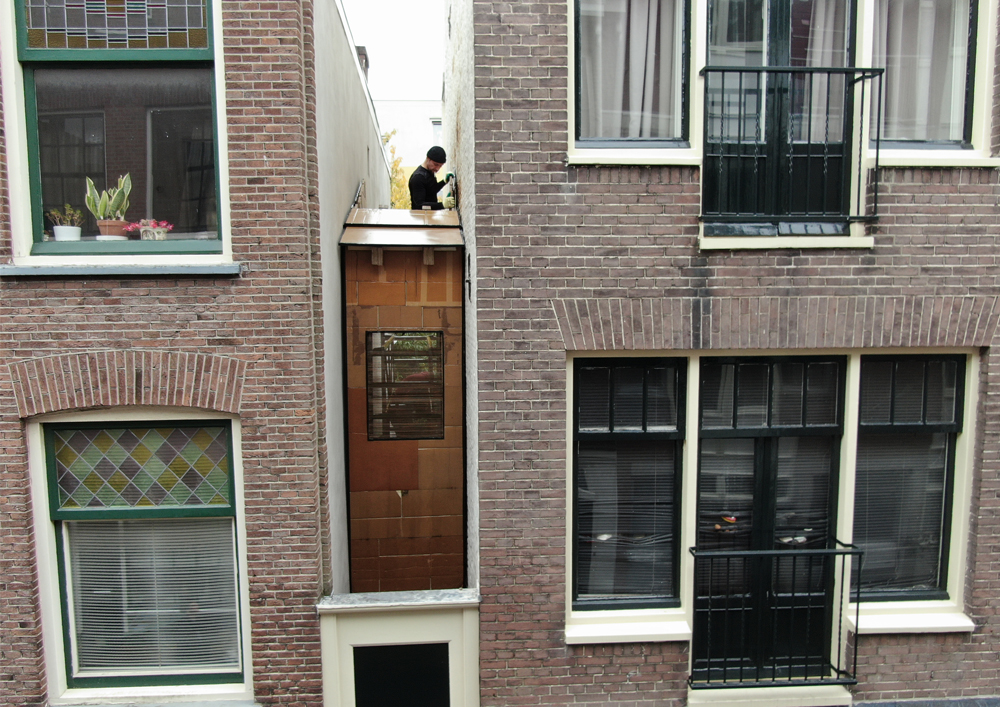
de bedsteeg - a cardboard bedroom for the homeless
-
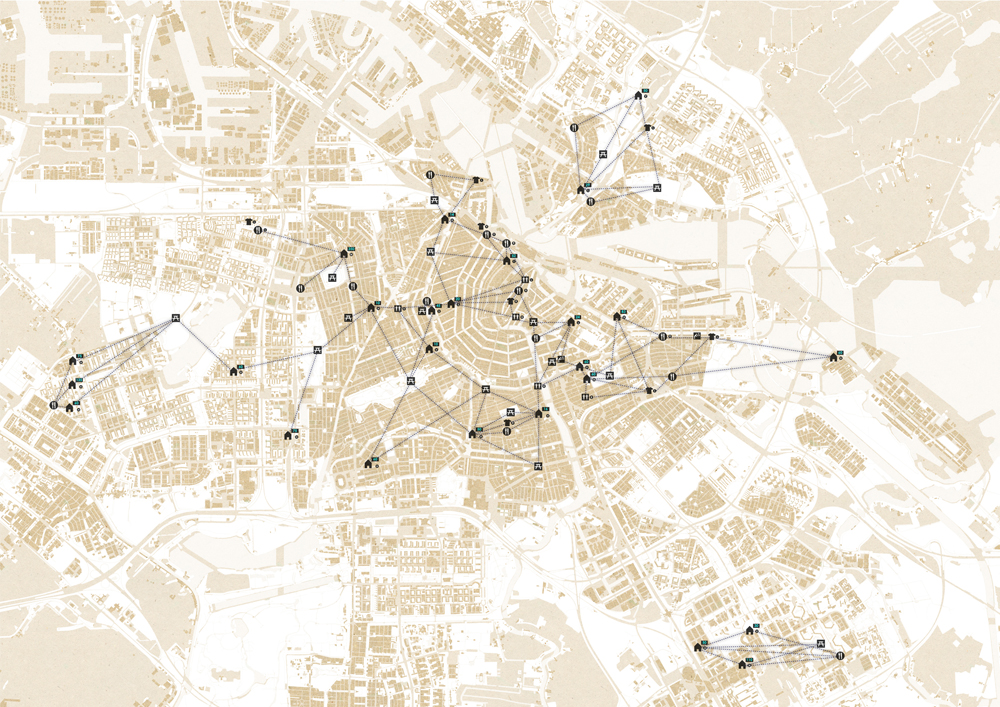
fragmented homeless network
-
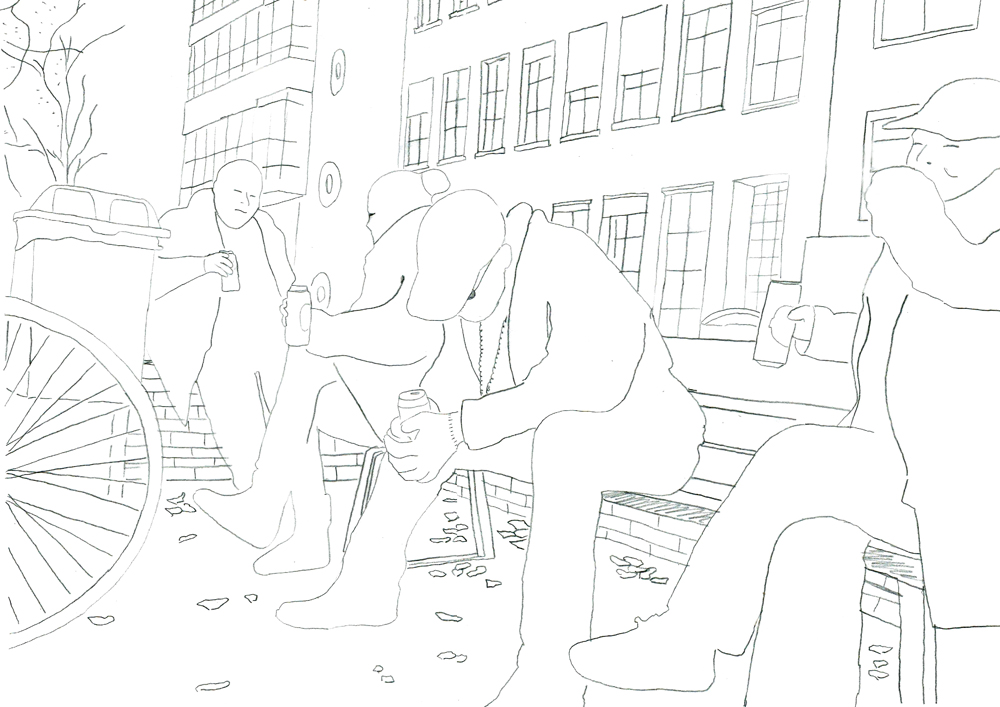
homeless community - undercover for research
-
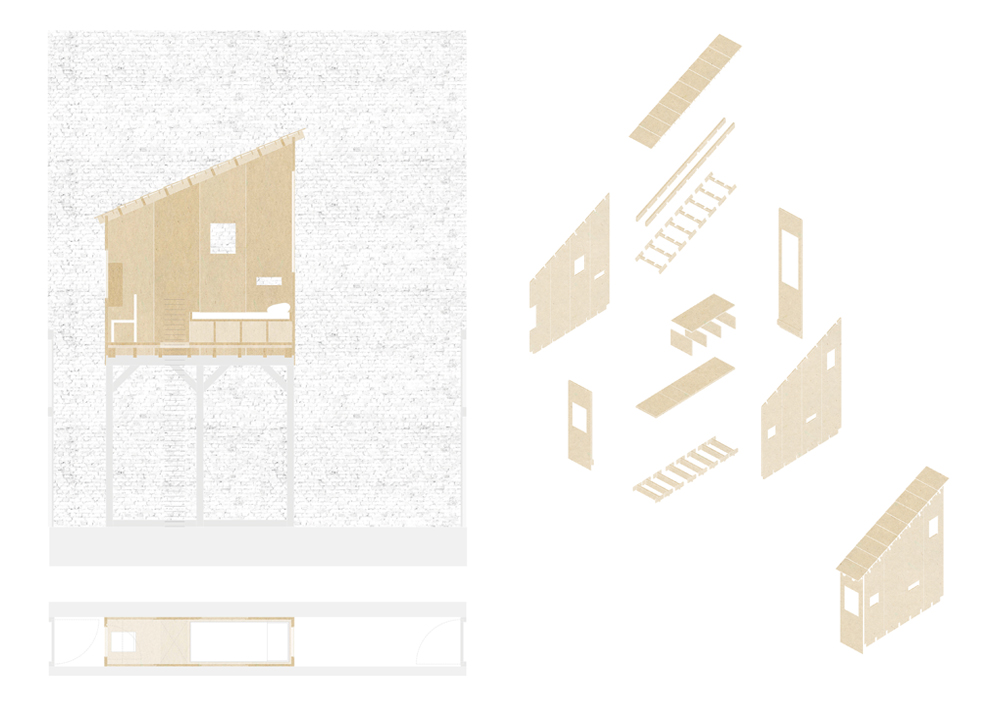
de bedsteeg - modular cardboard construction
-
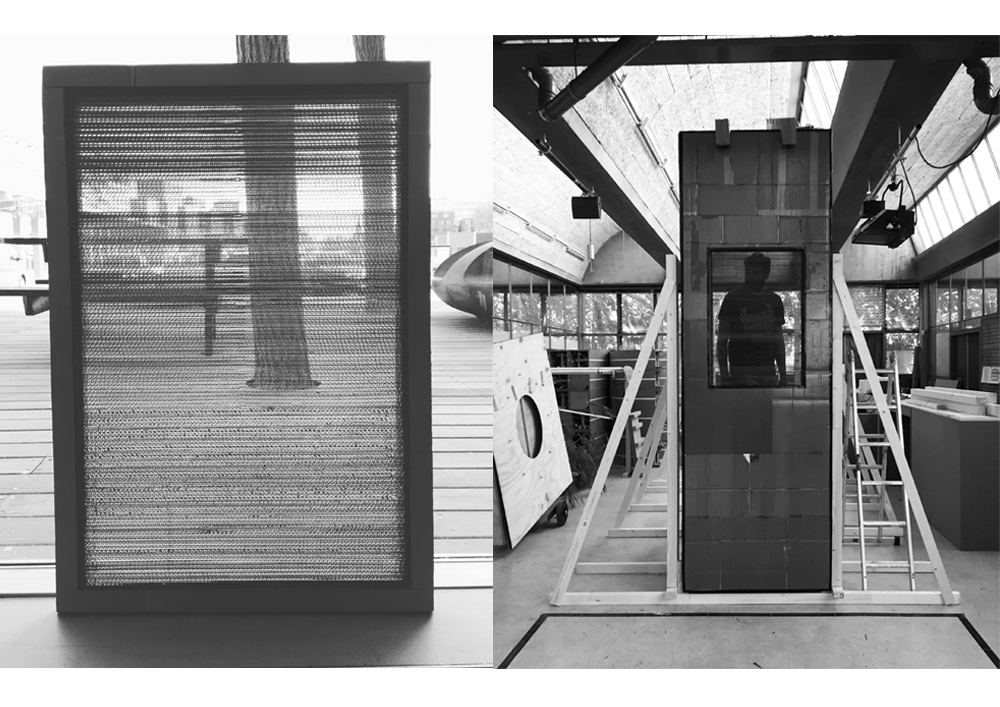
prototype
-
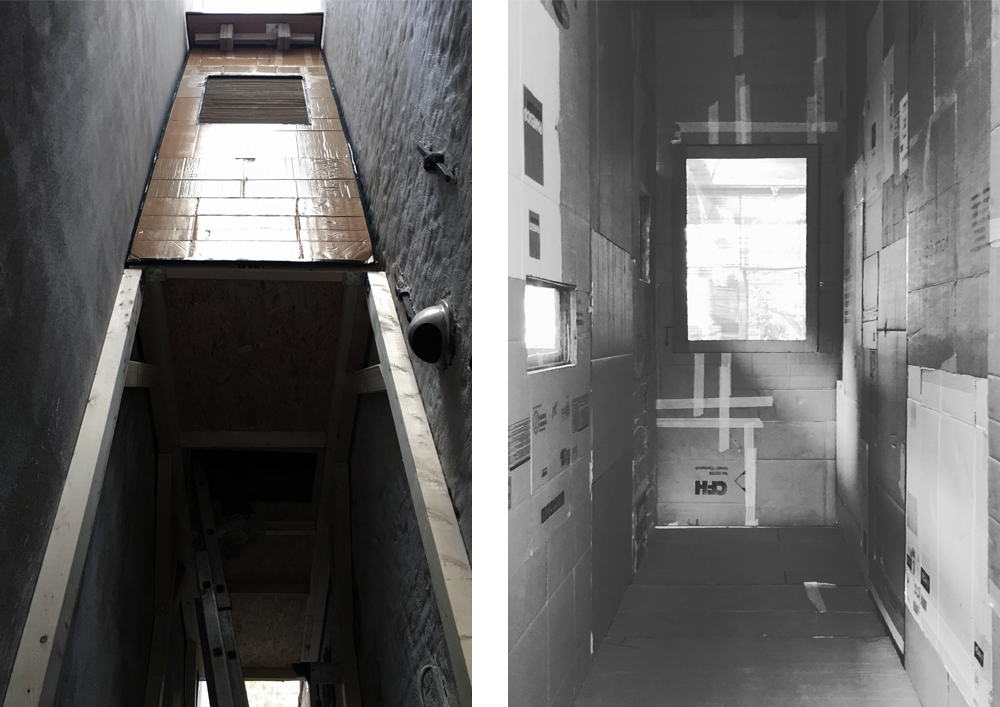
de bedsteeg
-
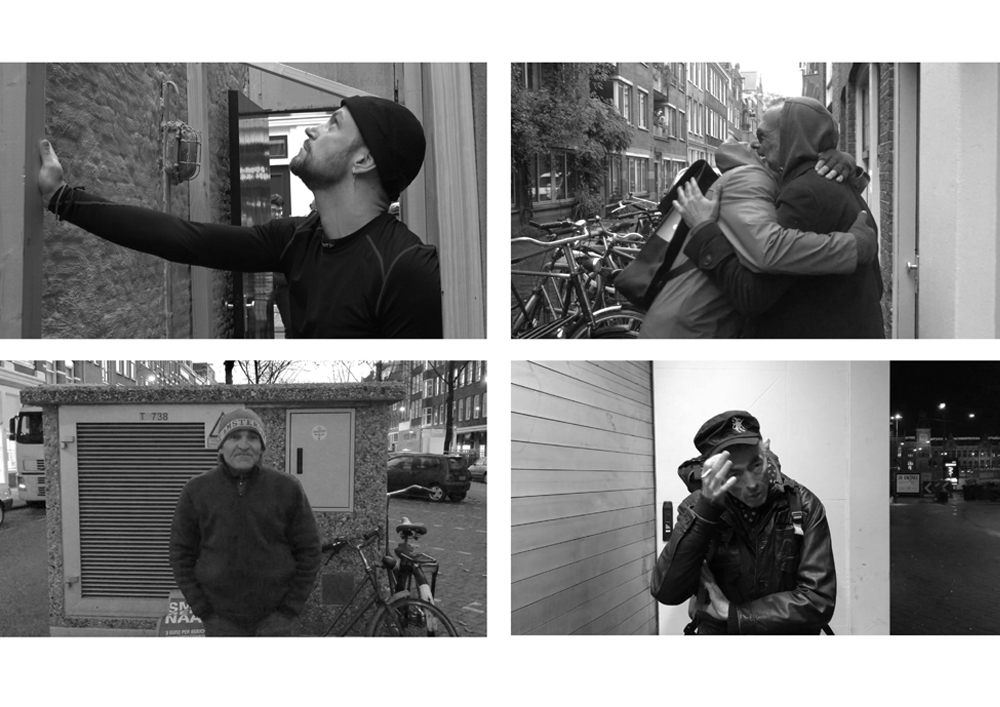
the users
-
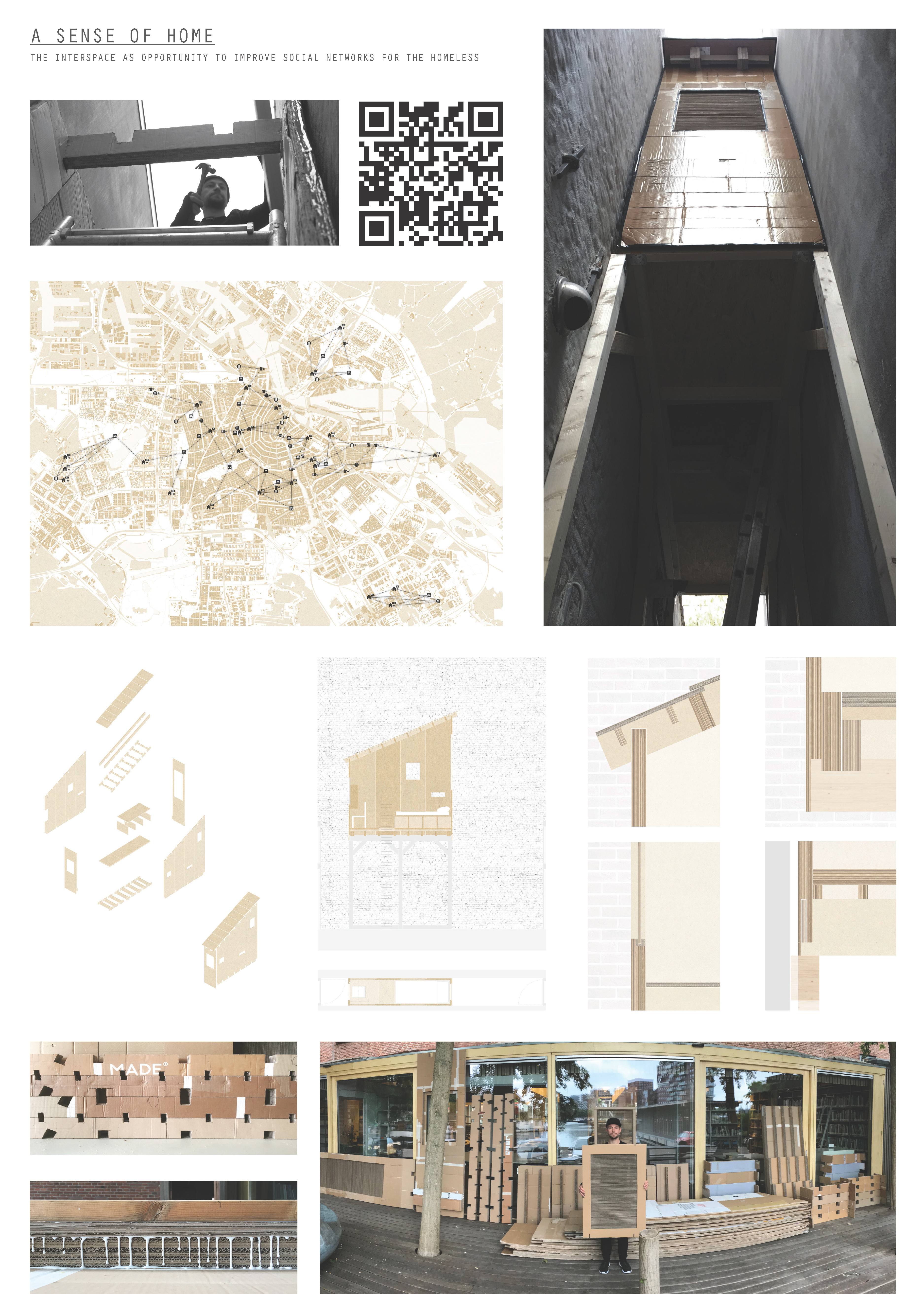
A SENSE OF HOME
-
A SENSE OF HOME
Patrick Roegiers. Amsterdam, The Netherlands
-
Name of work in English
A SENSE OF HOME
-
Name of work in original language
An opportunity to improve social networks by making use of in-between spaces.
Prize year
Young Talent 2020
-
Work Location
Amsterdam, The Netherlands
-
Author/s
Patrick Roegiers
-
School
Amsterdam Academy of Architecture - Amsterdam University of the Arts.
Amsterdam, The Netherlands
Young Talent 2020 YT Shortlisted
A SENSE OF HOME
An opportunity to improve social networks by making use of in-between spaces.
Program
Social welfare
-
Labels
Community
An improved network for homeless in Amsterdam by programming the in-between space. Using waste and flows to build new ‘rooms’ on a neighborhood scale.
This project started with a fascination by the concept of ‘feeling at home’. How does it work for homeless who don’t have a physical space to call home? To me, my role as an architect is to put social issues on the agenda and investigate spatial circular solutions. Even in our modern society, homelessness is on the rise. The government is failing in both prevention and reintegration. For as long as the urgency on a state level isn’t high enough, bottom-up alternatives must be found. But what do homeless actually need? To investigate this, I went undercover as a homeless for a week. I learned that homelessness has many different faces. One of the main insights was that homeless feel at home in their neighborhoods, but the basic rooms in their ‘home’, the living room, bedroom, kitchen and bathroom, are scattered across the city. To meet their daily needs they often have to travel far, causing a lot of stress and anxiety. There are plenty of unused spaces in the city where we could facilitate small scaled interventions. I used two of these spaces to make rooms in the neighborhoods where it was needed the most. A kitchen on the Dappermarkt called the Dapperkeuken and a bedroom in the Jordaan called the Bedsteeg. As a base, waste and flows were used to form these rooms. The Dapperkeuken was formed by harvesting waste from the market vendors to prepare meals. The Bedsteeg is made from collected waste cardboard that has been pressed and treated as a new modular building material. I did these experiments together with my family and friends. When people come together with a shared purpose, and it revolves around a virtuous act and creates a contagious conmection. The neighborhoods initially had their doubts about the project, but throughout the process they became involved and part of it. The role of an architect and architecture is a big discussion nowadays. This project shows that architecture is much more than just a building itself. If you listen, look and collaborate, architecture is not a goal but it can be a social connecting element.