-
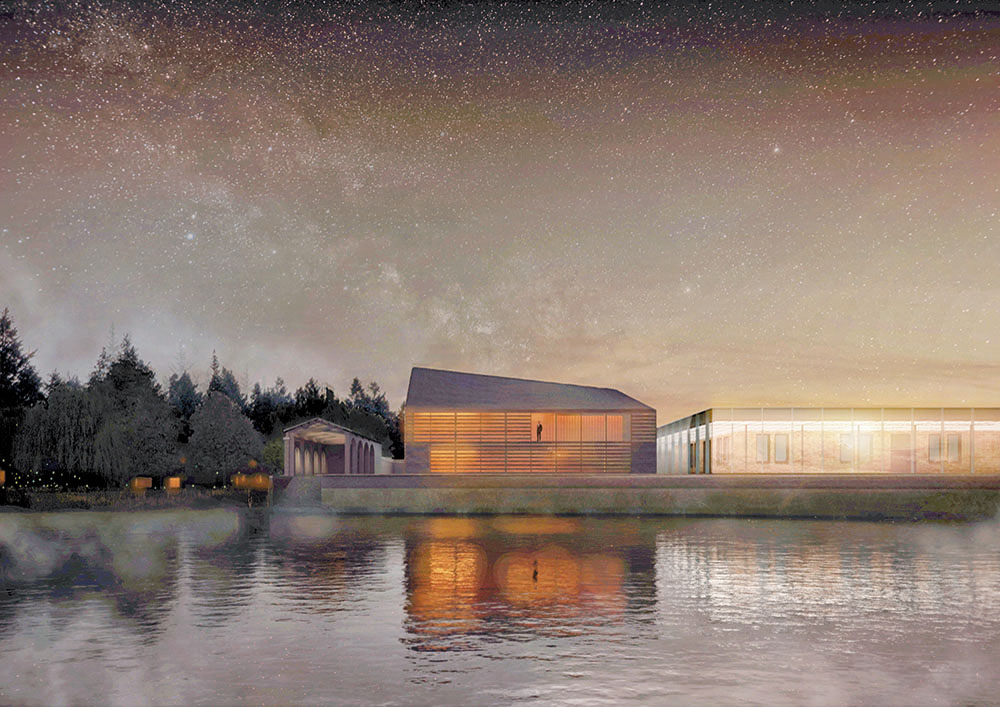
Poveglia at dawn
-
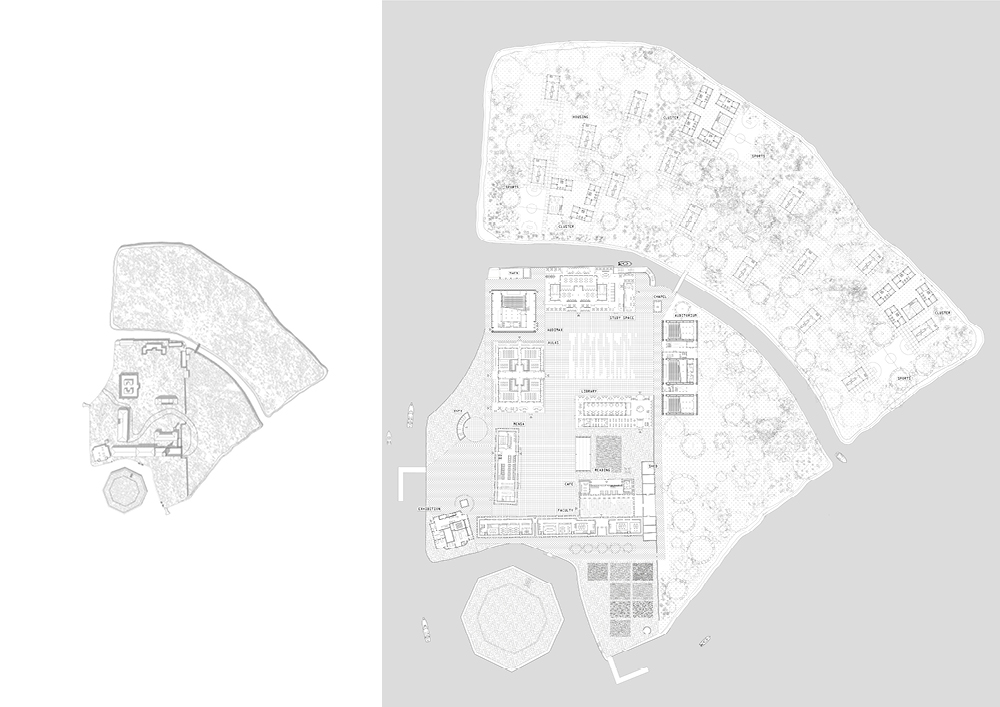
Status quo versus new masterplan
-
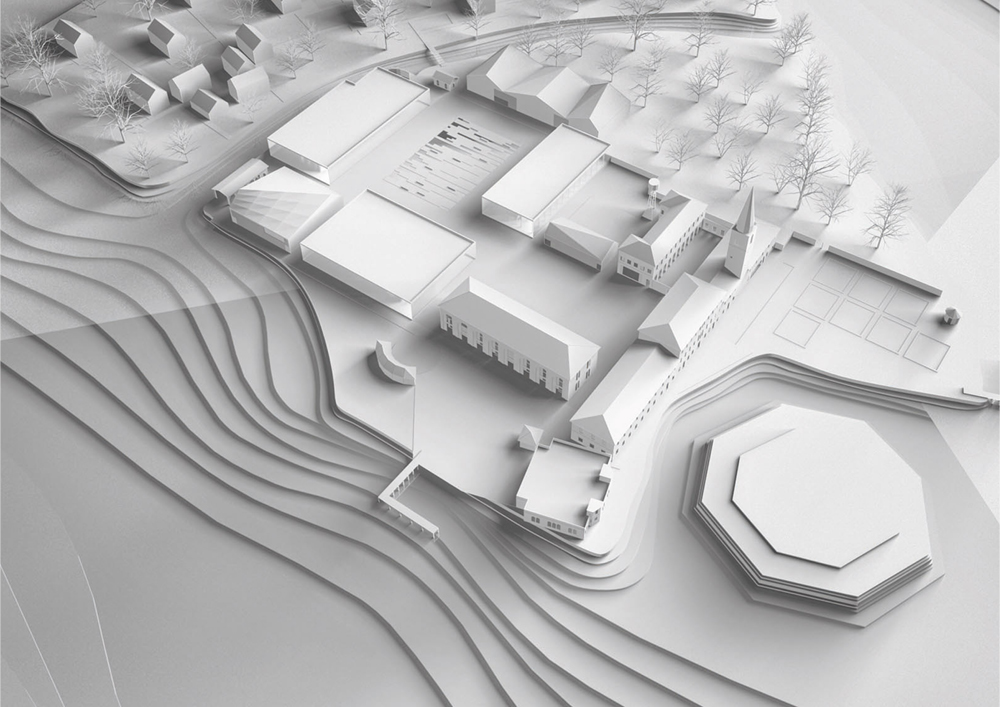
New university campus
-
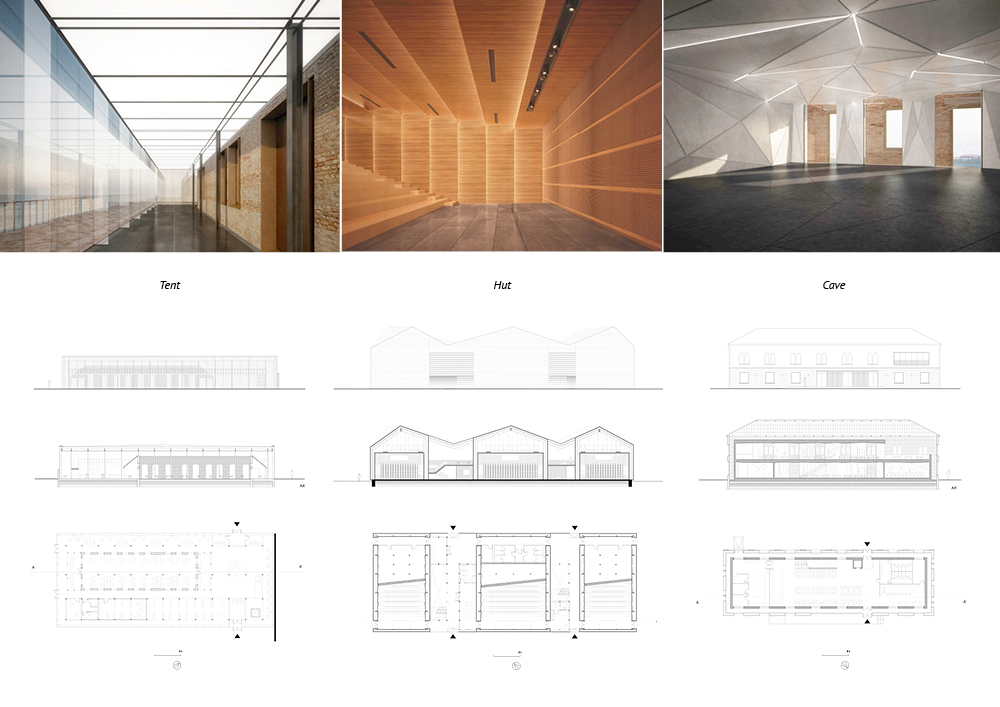
Three intervention types
-
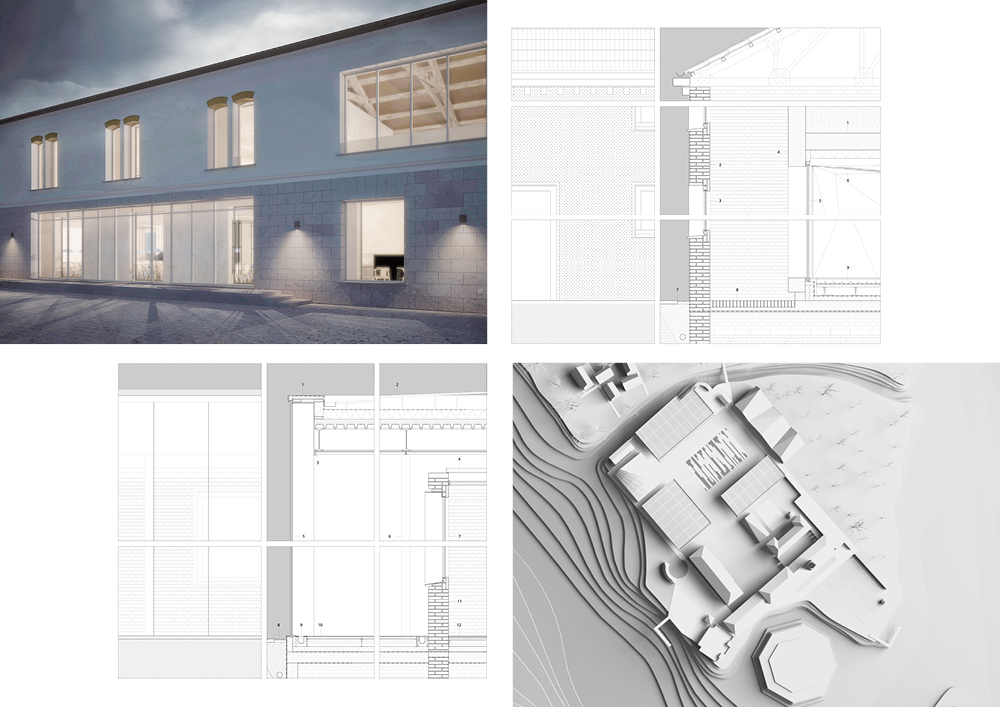
Close-up of mensa and library
-
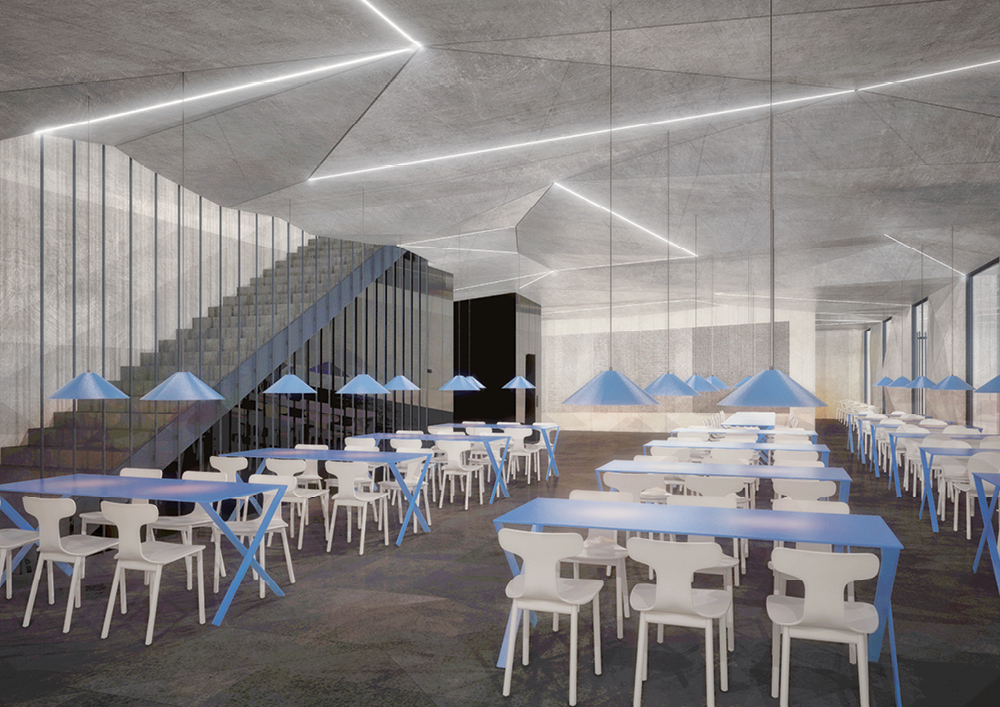
Interior view of mensa building
-

Mobile application enhancing interaction between buildings and users
-
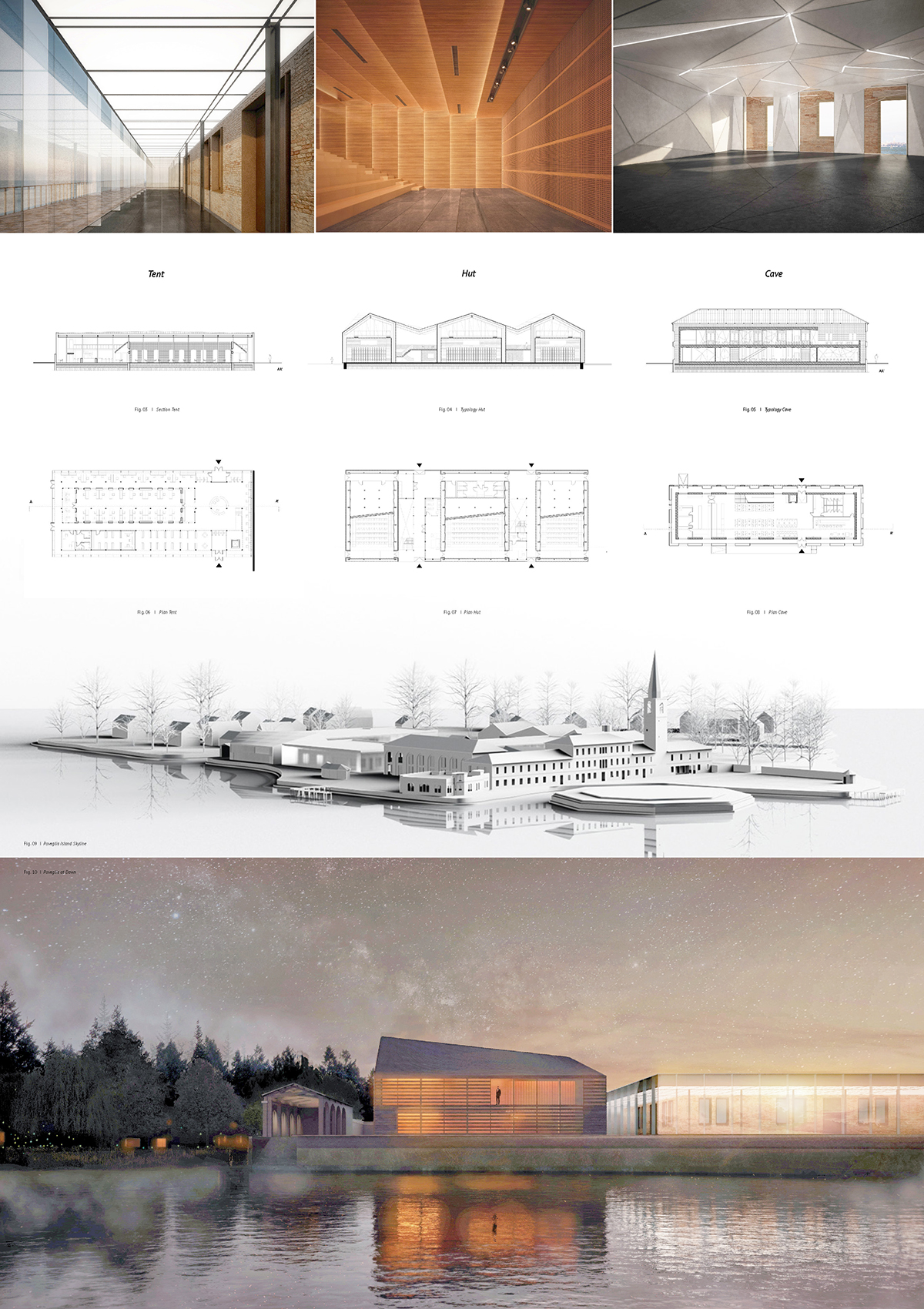
New university campus on the island of Poveglia
-
-
Maritime Oasis
CHE LIU, STEPHAN VIKTOR FRANZ BITTENBINDER. Venice, Italy
-
Name of work in English
Maritime Oasis
-
Name of work in original language
New Campus for the Island of Poveglia
Prize year
Young Talent 2018
-
Work Location
Venice, Italy
-
Author/s
CHE LIU, STEPHAN VIKTOR FRANZ BITTENBINDER
-
School
School of Architecture Urban Planning and Construction Engineering - Polytechnic of Milan.
Milan, Italy
Young Talent 2018 YT Nominees
Maritime Oasis
New Campus for the Island of Poveglia
Program
Education
-
Labels
University · Architecture
The project deals with the potential of abandoned islands in the Lagoon of Venice by proposing the transformation of the Island of Poveglia, an ex-quarantine, into a university campus. It aims at establishing a dialogue between existing architectural heritage and contemporary requirements, with a focus on functional and energetical considerations.
The project rests on the comparison between the Venetian Lagoon with another vast eco-system, the desert. By confronting the two we aim at highlighting intriguing similarities especially in terms of mobility and geographical dislocation. Special attention has been given to the phenomenon of abandoned islands which we studied as correspondents of oases in arid environments. Such a new perspective allows us to re-evaluate conventional solutions.\nMaritime Oasis focuses on the potential of abandoned islands in the Lagoon of Venice and it considers Poveglia as a case study. The former quarantine is turned into a self-sufficient university campus featuring high building performance and user comfort. The project proposes interventions on different scales, from masterplan strategies up to construction details. In particular, such transformation is based on three main objectives. The first is the assessment and preservation of architectural heritage. The second concerns an adequate balance between privatisation and availability of public spaces. Finally, the third is to offer detailed hands-on approaches which tackle site-specific difficulties. In particular, the challenge of functional requalification is overcome by proposing the systematic application of three main preservation strategies which consider architectural heritage and its different states of decay. Whereas the Cave acts as an insertion in the case of mostly intact buildings, the Tent incorporates buildings within a new perimeter. Additionally, the Hut is employed for new wooden structures which are placed into the wild nature. \nThe work concludes with an extensive energy analysis and the implementation of a mobile application to optimize the interaction between buildings and users. Students and teaching staff are able to give feedback which is then confronted with data collected by sensors across the campus. By employing innovative technologies along with preservation of existing buildings we aim at turning Poveglia into a vital oasis which considers heritage as a potential for future transformation.