-
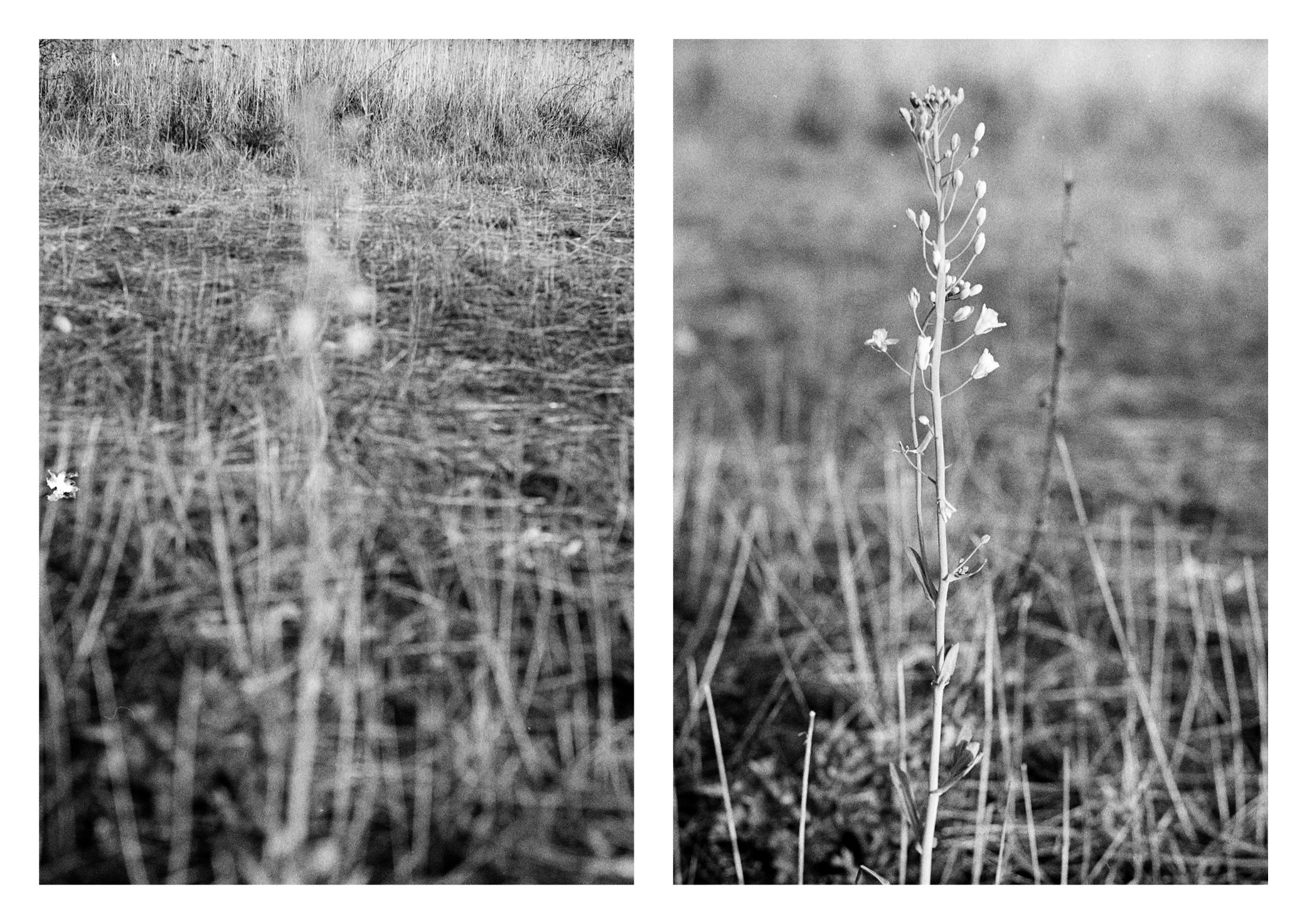
seeing
-
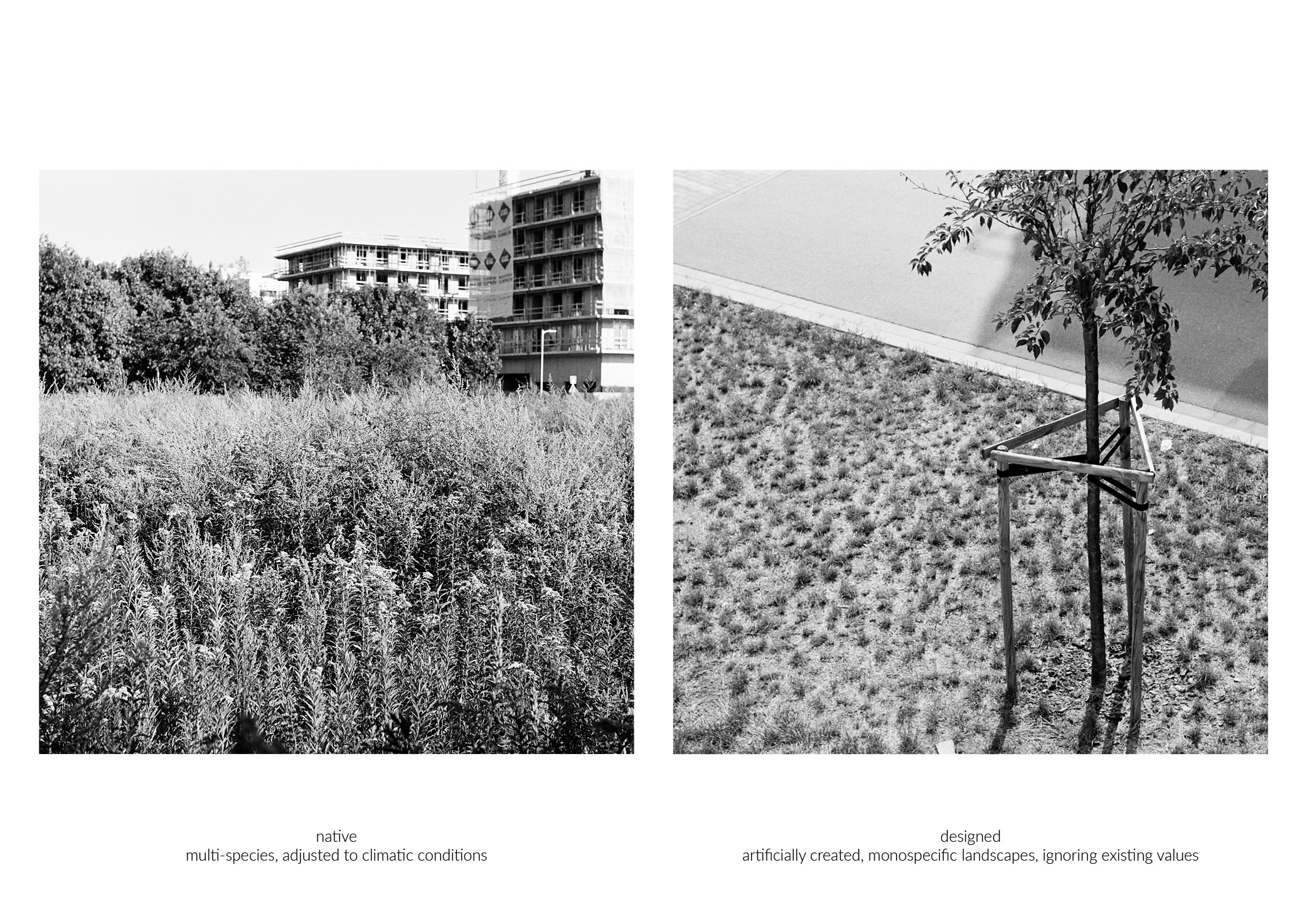
process of urbanization - disappearance of nature
-
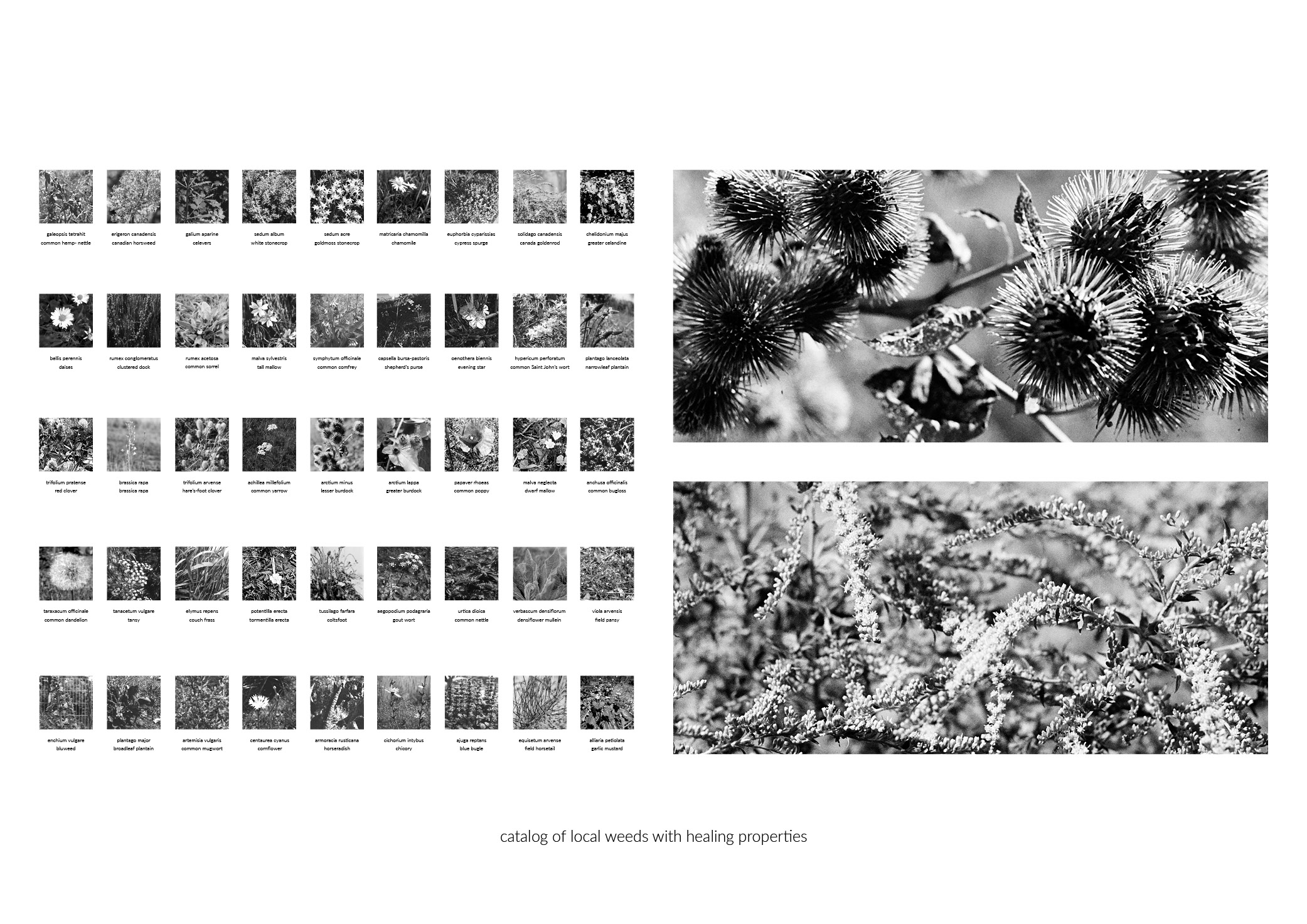
catalog of local weeds with healing properties
-
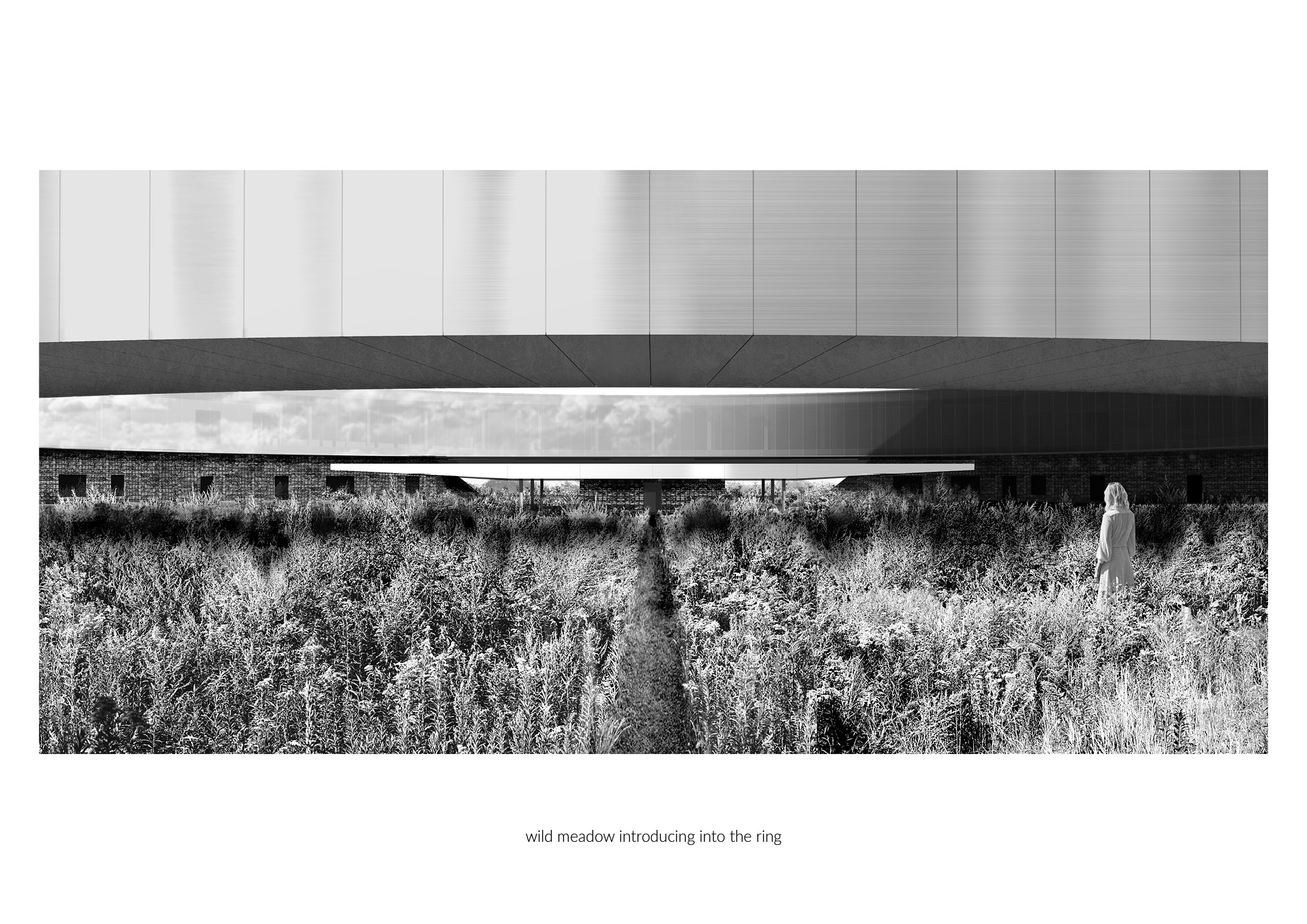
wild meadow introducing into the ring
-
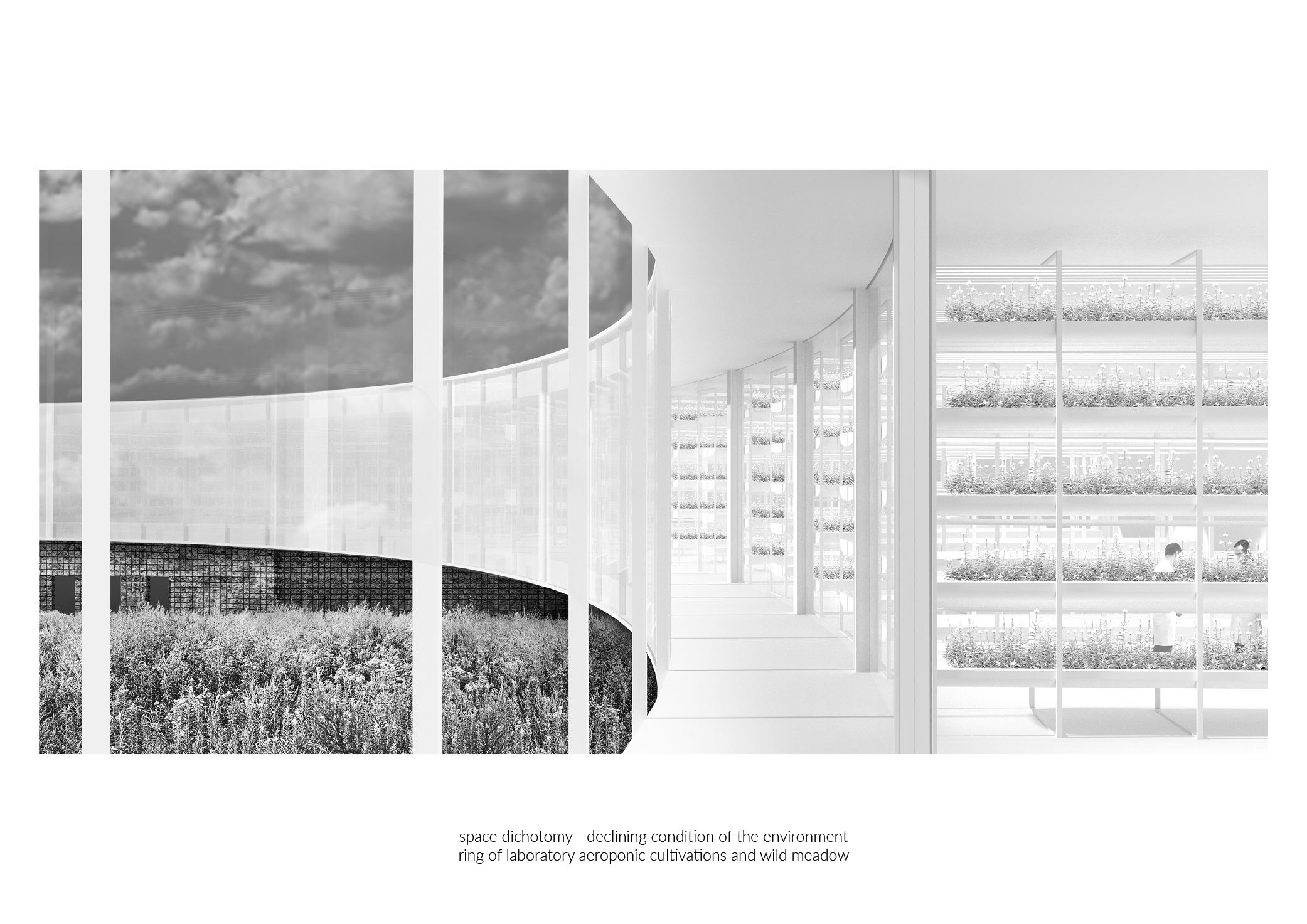
ring of laboratory aeroponic cultivations
-
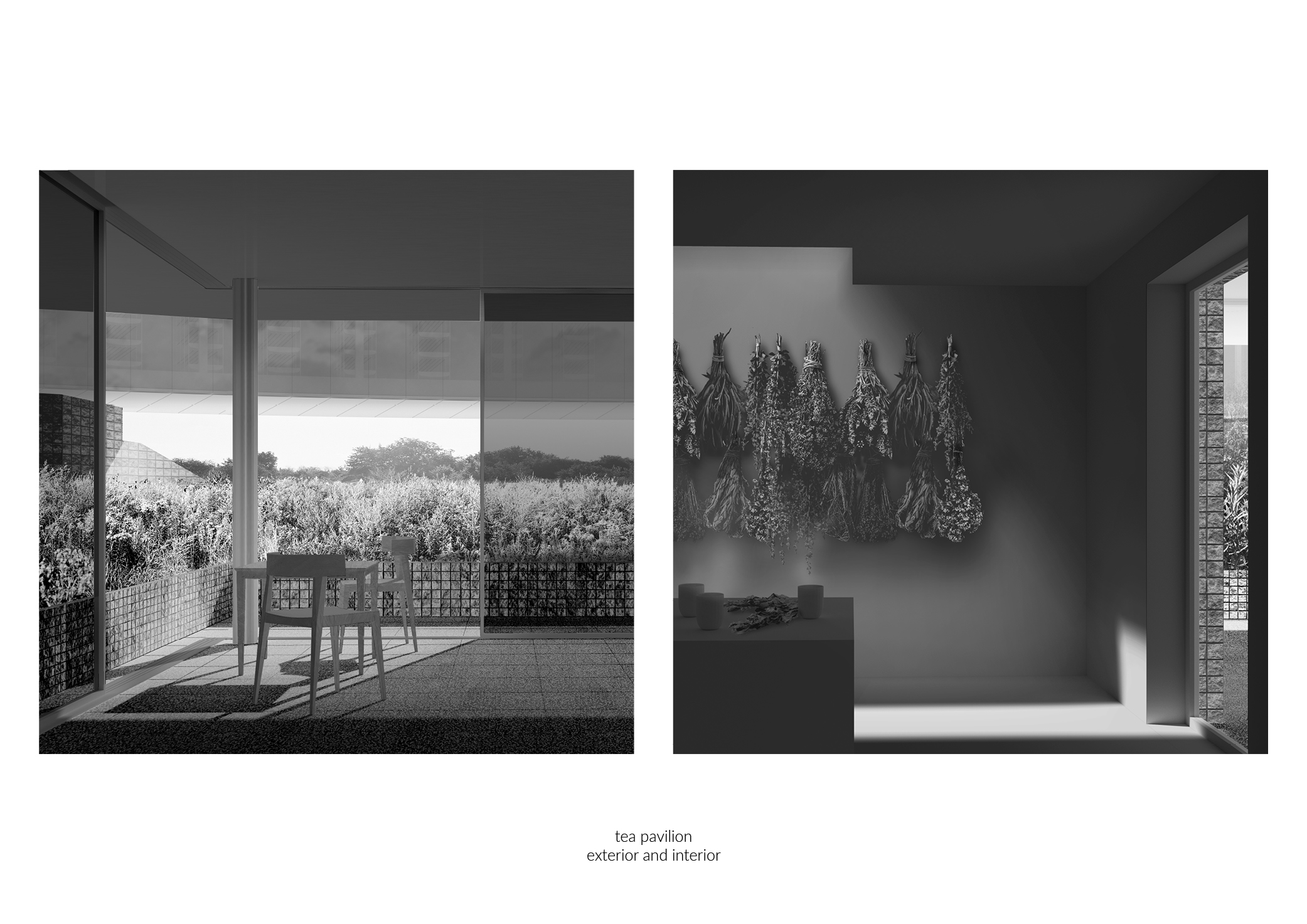
tea pavilion
-
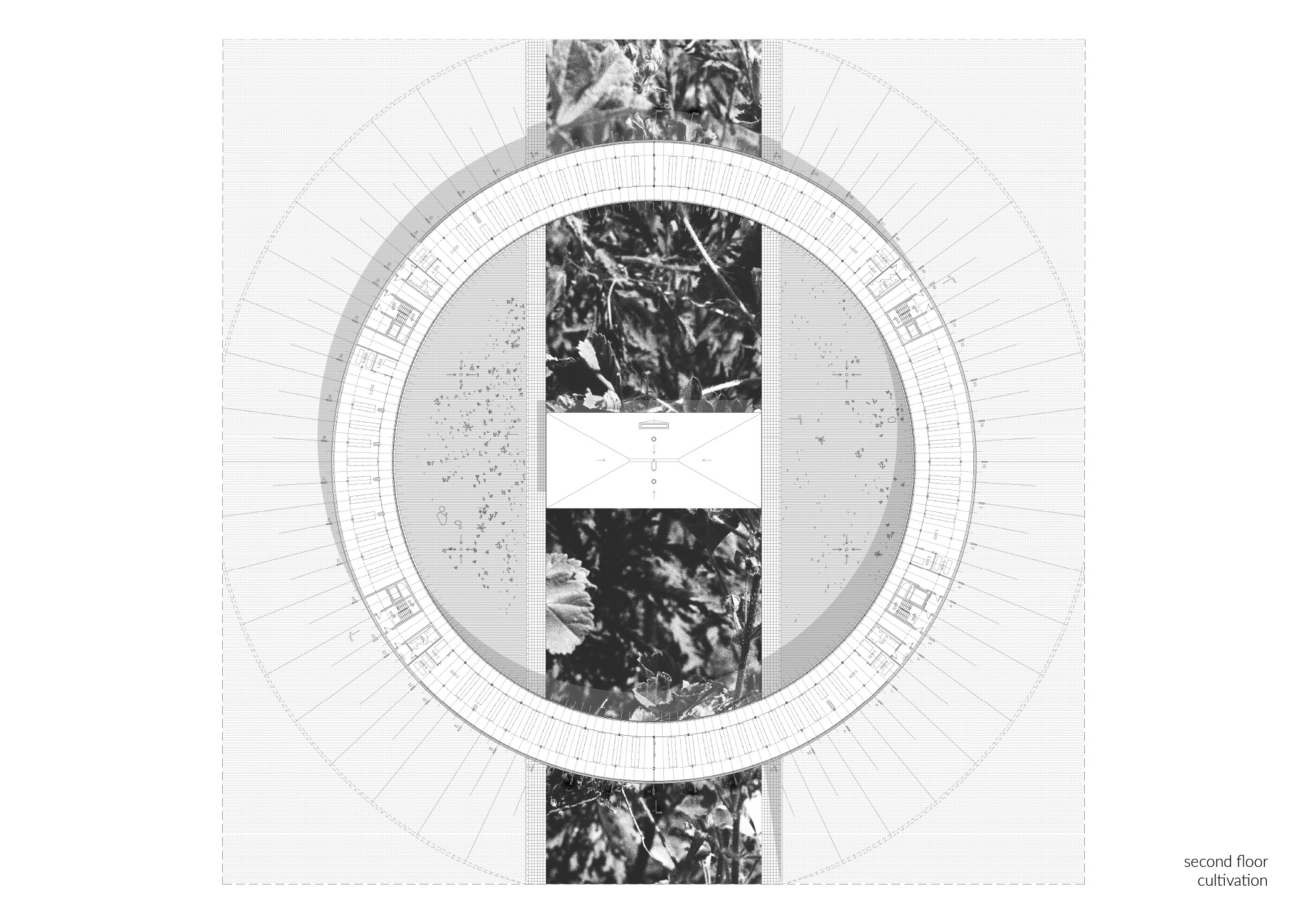
floor plan - cultivation
-
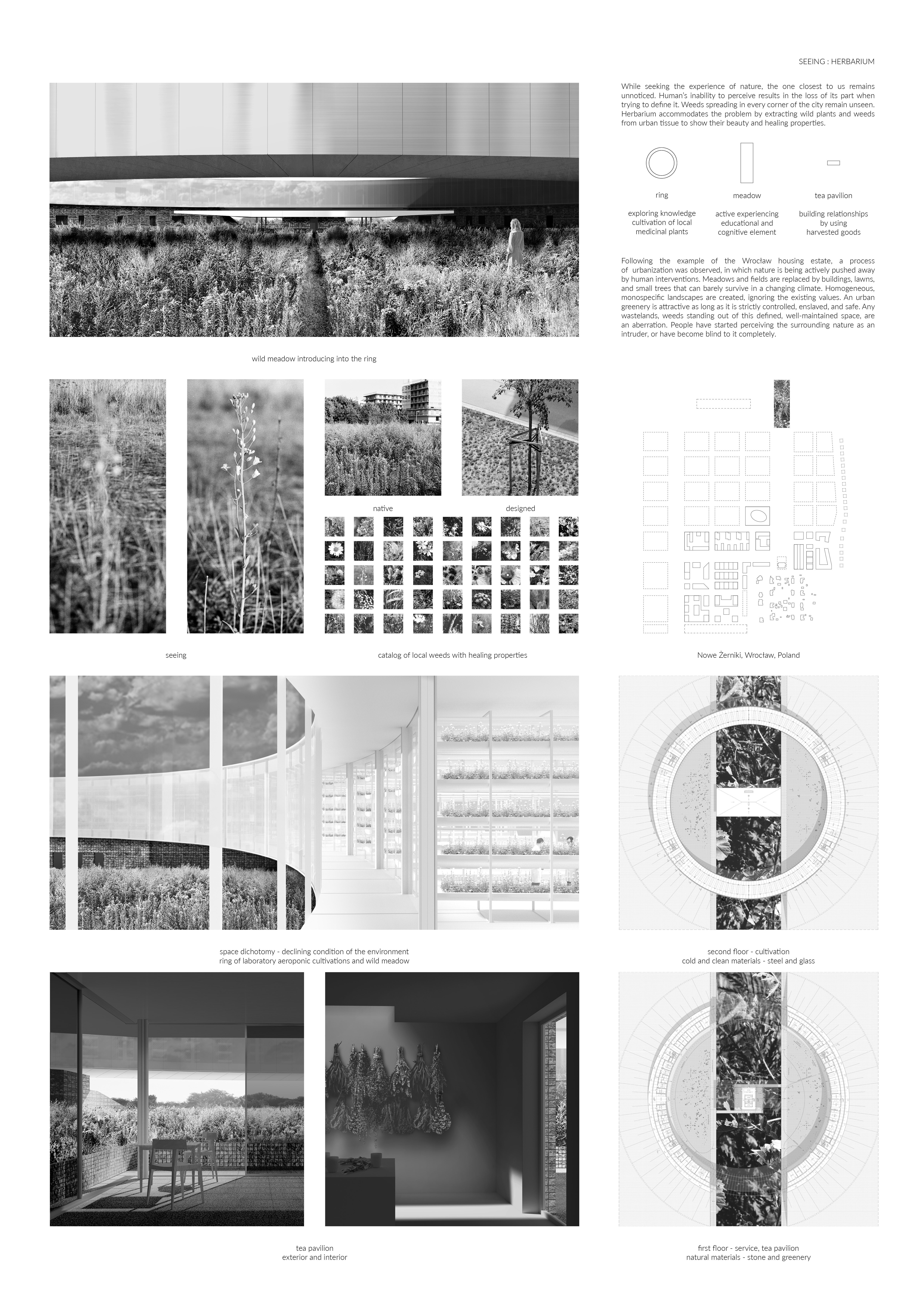
panel
-
seeing : Herbarium in Wroclaw
Adriana Sowa. Wroclaw, Poland
-
Name of work in English
seeing : Herbarium in Wroclaw
-
Name of work in original language
weeds extraction from the urban tissue
Prize year
Young Talent 2020
-
Work Location
Wroclaw, Poland
-
Author/s
Adriana Sowa
-
School
Faculty of Architecture - Wroclaw University of Technology.
Wroclaw, Poland
Young Talent 2020 YT Nominees
seeing : Herbarium in Wroclaw
weeds extraction from the urban tissue
Program
Education
-
Labels
Nature · Research
While seeking the experience of nature, the one closest to us remains unnoticed. Human’s inability to perceive results in the loss of its part when trying to define it. Weeds spreading in every corner of the city remain unseen. Herbarium accommodates the problem by extracting wild plants from urban tissue to show their beauty and healing properties.
As the project issue was undertaken, the remaining flora of the undeveloped plots of land had been carefully studied. On this basis, a catalog of weeds was created. To amplificate the human-nature relationship, a group of plants with healing properties was extracted. The work was completed with a collection of several dozen species, which are only a small part of these areas’ diversity. To avoid superficial reception, the plants are presented in black and white. It strengthens "seeing" and conscious observation. To emphasize nature, architecture was created. Herbarium consists of three parts: active experiencing through the meadow, exploring the knowledge and cultivation of local medicinal plants in the ring, and building relationships by using the harvested goods in the tea pavilion. The soul of the project is the meadow formed by the preserved local plants. It is the main educational and cognitive element. It allows observing herbage in their natural environment and cycle. Despite the initially defined boundaries, it is not the architecture that has priority here. The assumption of this space is constant growth and evolution of the landscape, following the processes of nature. In the middle of the wild meadow, a grid has been defined. The only places under control are in the nodal points, designed for the growth of individual plant species. It is a repository, a catalog of herbs hidden in the brakes. A ring of laboratory aeroponic cultivations is placed on the line of the meadow. The dichotomy created between the growth space and the natural habitat of the plants reflects the declining condition of the environment. This contrast is emphasized by the used materials, dividing the object into the ground floor and the laboratory level. The last element that integrates the whole is the teahouse, a pavilion where raw herbs can be bought, or herbal infusions drunk in the surrounding of a meadow. The Herbarium extracts weeds from the urban tissue showing their beauty and healing properties. It is the first step that, through understanding, builds sensitivity and respect for plants.