-
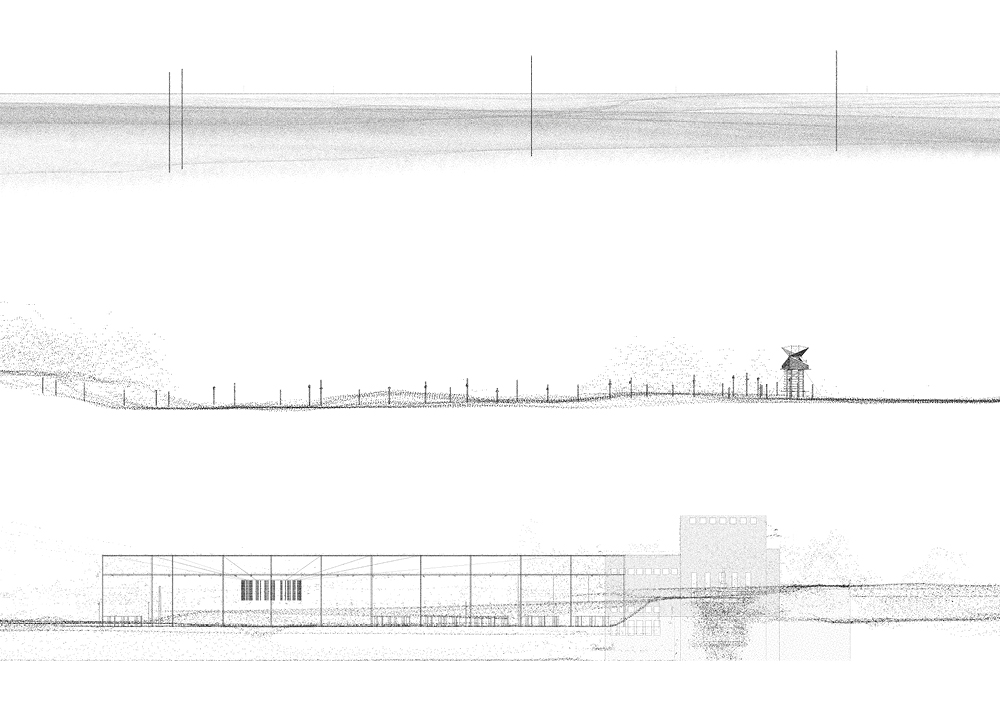
Three interventions proposed for three sites [from top to bottom]: Porttipahta (floodscape), Pirttikoski (dryscape), and Isohaara (damscape)
-
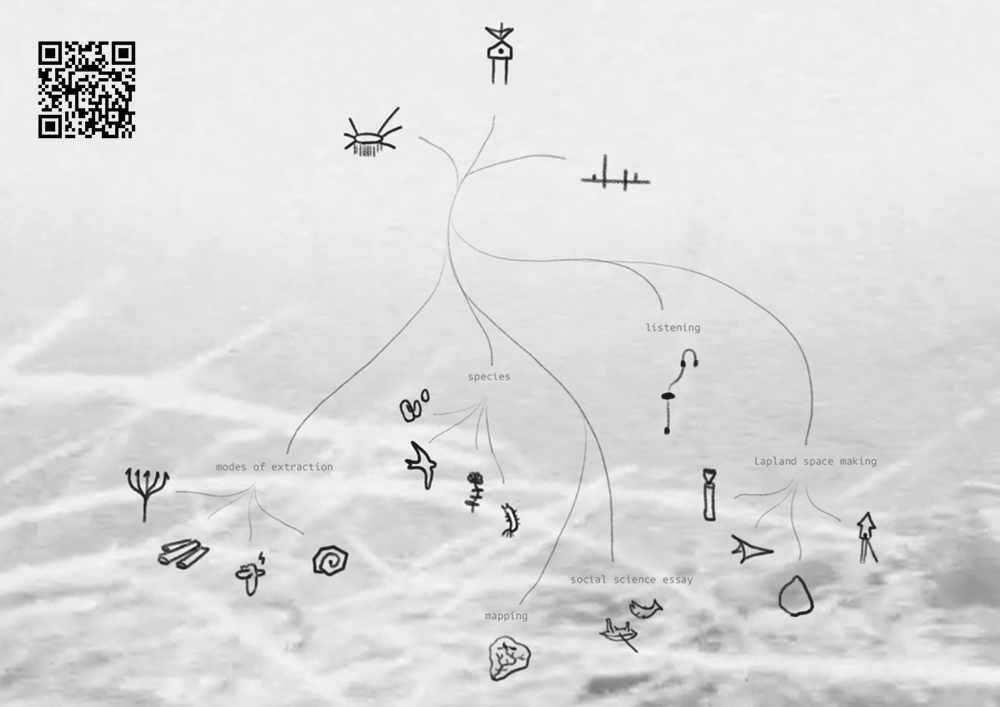
The website (archive) of the diploma project
-
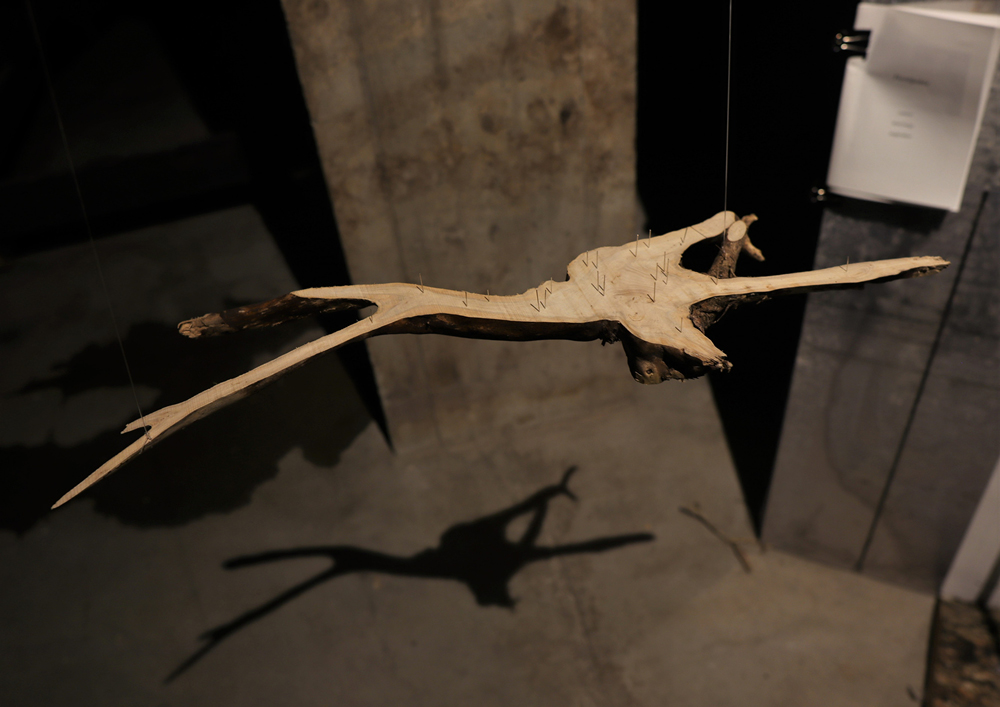
Model of the Porttipahta lake. Image from the final exhibition.
-
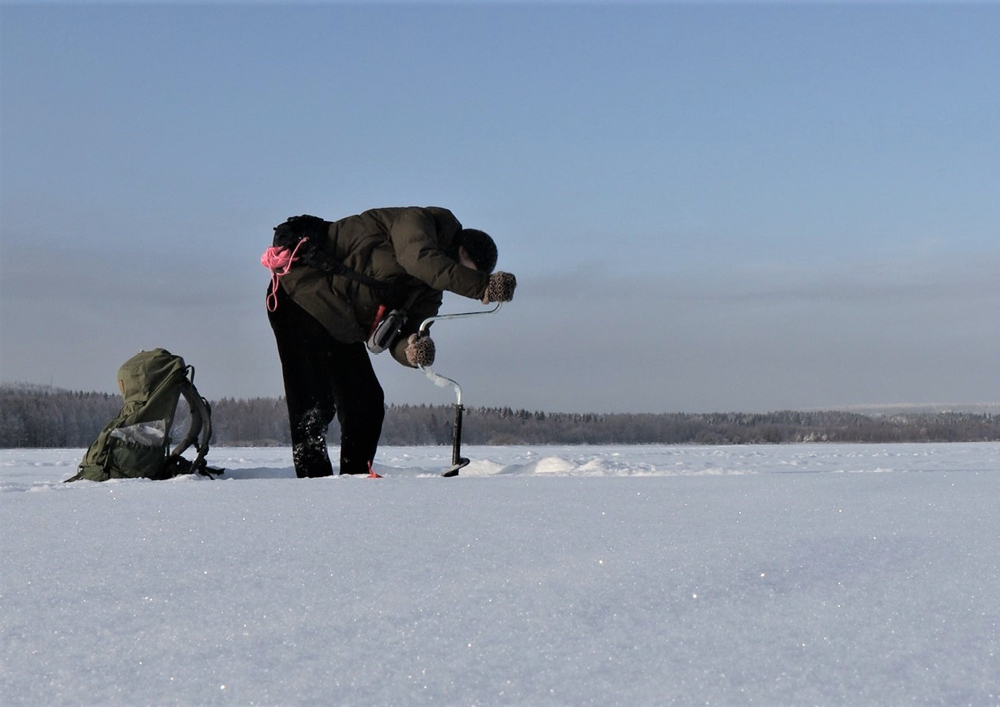
Drilling holes on the ice of the river Kemi to record underwater soundscapes with hydrophone.
-
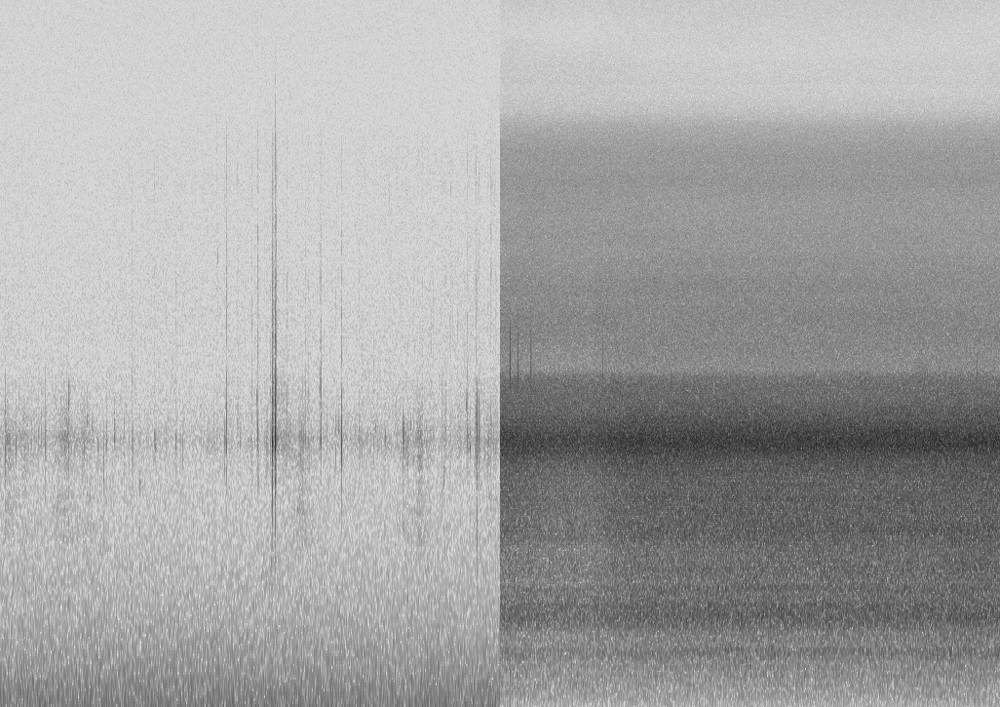
Spectrograms of underwater recordings. LEFT: Typical recording in-between the dams. River is silent. Cracks/movement of the ice creates the vertical lines. RIGHT: Close to the power plants. Rumble of the engines paints the image dark.
-
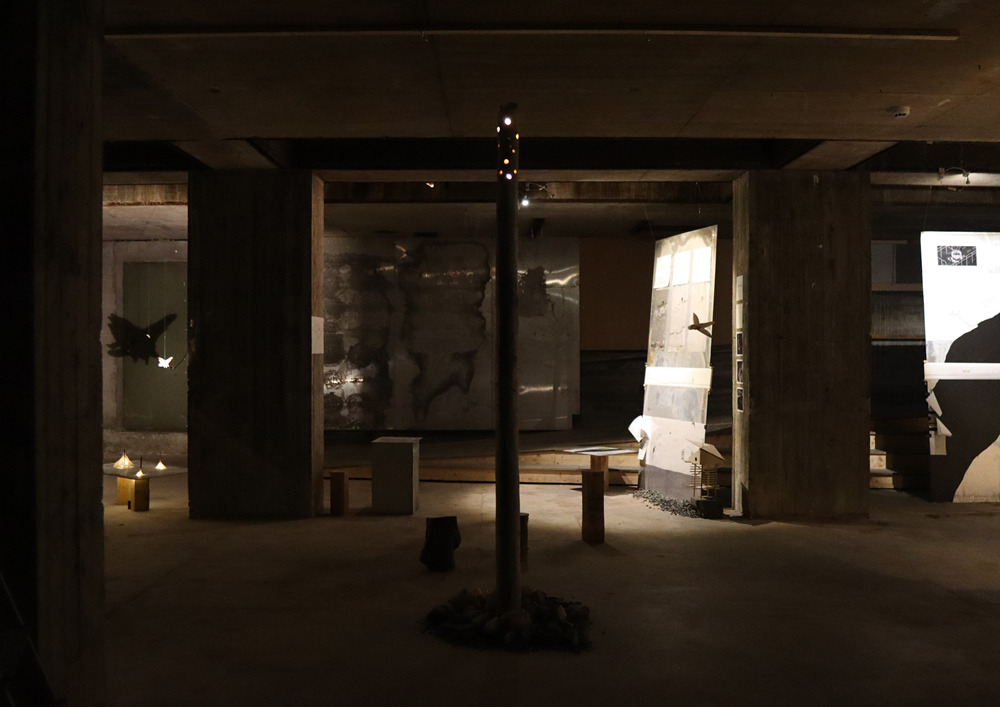
The final exhibition.
-
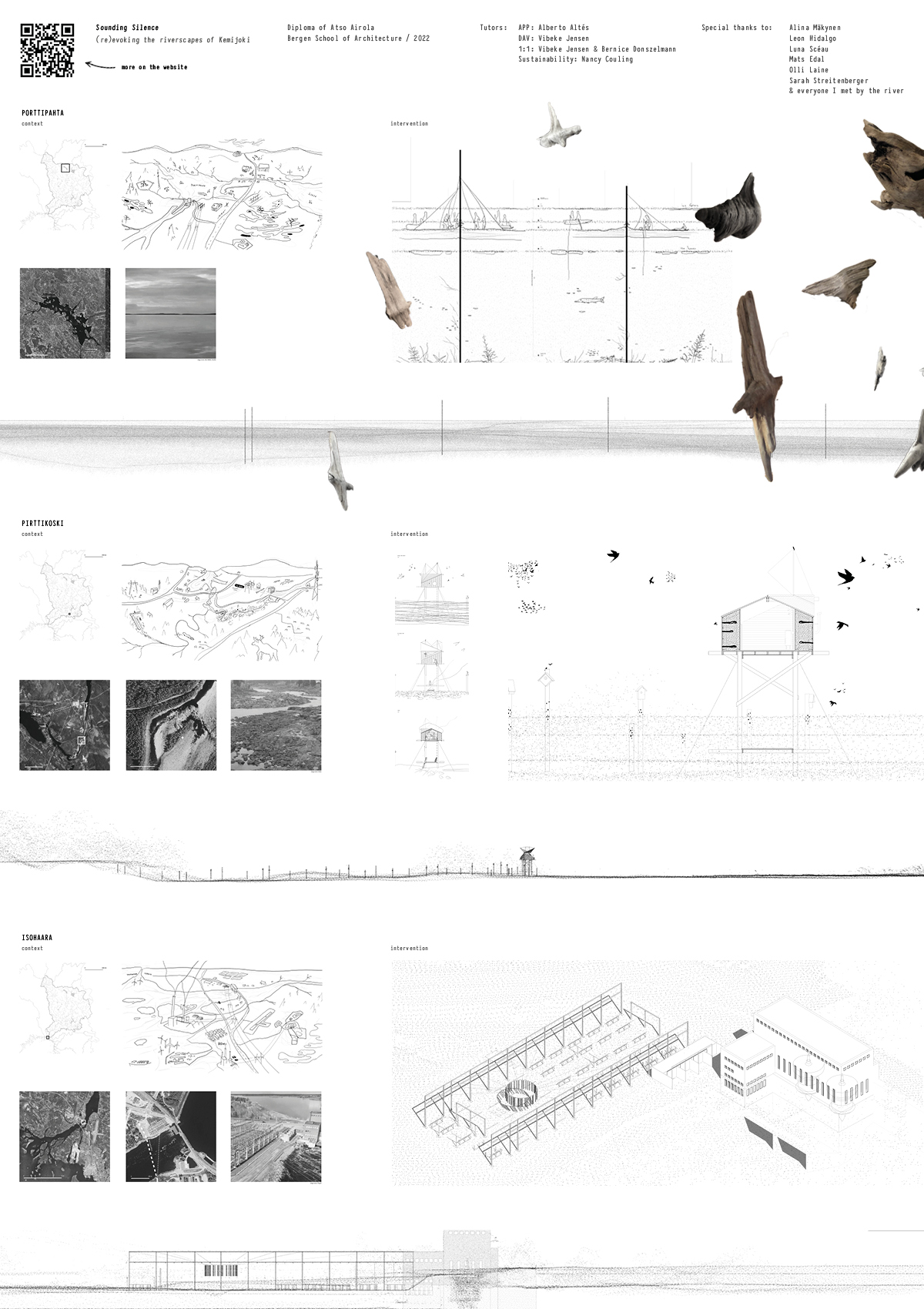
Sounding Silence - (re)evoking the riverscapes of Kemijoki
-
Sounding Silence
Atso Airola. Kemijoki (river), Finland
-
Name of work in English
Sounding Silence
-
Name of work in original language
(re)evoking the riverscapes of Kemijoki
Prize year
Young Talent 2023
-
Work Location
Kemijoki (river), Finland
-
Author/s
Atso Airola
-
School
Bergen School of Architecture - Bergen School of Architecture.
Bergen, Norway
Young Talent 2023 YT Nominees
Sounding Silence
(re)evoking the riverscapes of Kemijoki
Program
Landscape
-
Labels
Structure · Regeneration
This project deals with the river Kemi (Kemijoki/Giemajohka), which was once a great salmon river and is today the biggest hydropower site in Finland. The project consists of three interventions proposed for the selected sites, Isohaara, Pirttikoski, and Porttipahta, and a website, an open archive of the research from the diploma semester.
To better understand the vast watercourse of Kemijoki, its rhythms, and dynamics, throughout the diploma semester, I entered the site from multiple directions, listening to and following the stories that resonated and spoke to me. Like a salmon, I traveled the 500 km-long river upstream. Over two weeks, I collected hydrophone recordings from under the ice in order to explore what sound can tell about the present and what lies beneath the surface of the river. I used sound and the act of fishing (sounds) as mediums to discuss with locals to better understand how people experience the river and to see what memories sounds can evoke. I also studied the river's past and its inhabitants. By analyzing the past main modes of extraction: fishing, timber, energy, (and mining), I aimed to understand how the extractive processes have shaped the landscape. To ask how non-humans have been affected and to broaden my views on the different ways of inhabiting the river, I also looked into some of the river's endangered species: sand martin, blunt leaf sandwort, freshwater pearl mussel, and hydropsychidae. The final project is a comment on the river's current state consisting of three interventions constructed mainly from decommissioned electricity parts. The three interventions for Isohaara (damscape), Pirttikoski (dryscape), and Porttipahta (floodscape), draw from the research in order to explore the following questions: - How to visualize and create awareness of the past and current extractive processes and their impact on the river and its life forms? - How can the spatial and cultural erasure, the loss of salmon, and other extraction processes be digested, and its voids reactivated? - How to gain back a sense of ownership from the industries and hydropower? - How could alternative architectures of/along the river encourage inclusivity, care, hosting, and nurturing instead of focusing on control, domination, and extraction? - How to change the perspective from the river as a resource to the river as a network of life? - How to live and die well with the river and the life it supports? - How to think like a river?