-
Çalışma yüzeyi 1.jpg
-
02.jpg
-
03.jpg
-
04.jpg
-
05.jpg
-
06.jpg
-
07.jpg
-
08.jpg
-
night time.jpg
story mine*
Pelin Gezer. Urla, Turkey
-
Name of work in English
story mine*
-
Name of work in original language
öykü madeni
Prize year
Young Talent 2025
-
Work Location
Urla, Turkey
-
Author/s
Pelin Gezer
-
School
Faculty of Architecture - Middle East Technical University.
Ankara, Turkey
Young Talent 2025 YT Open Nominees
story mine*
cultivating acts of care amid landscapes of extractivism
Program
Industrial
-
Labels
Factory
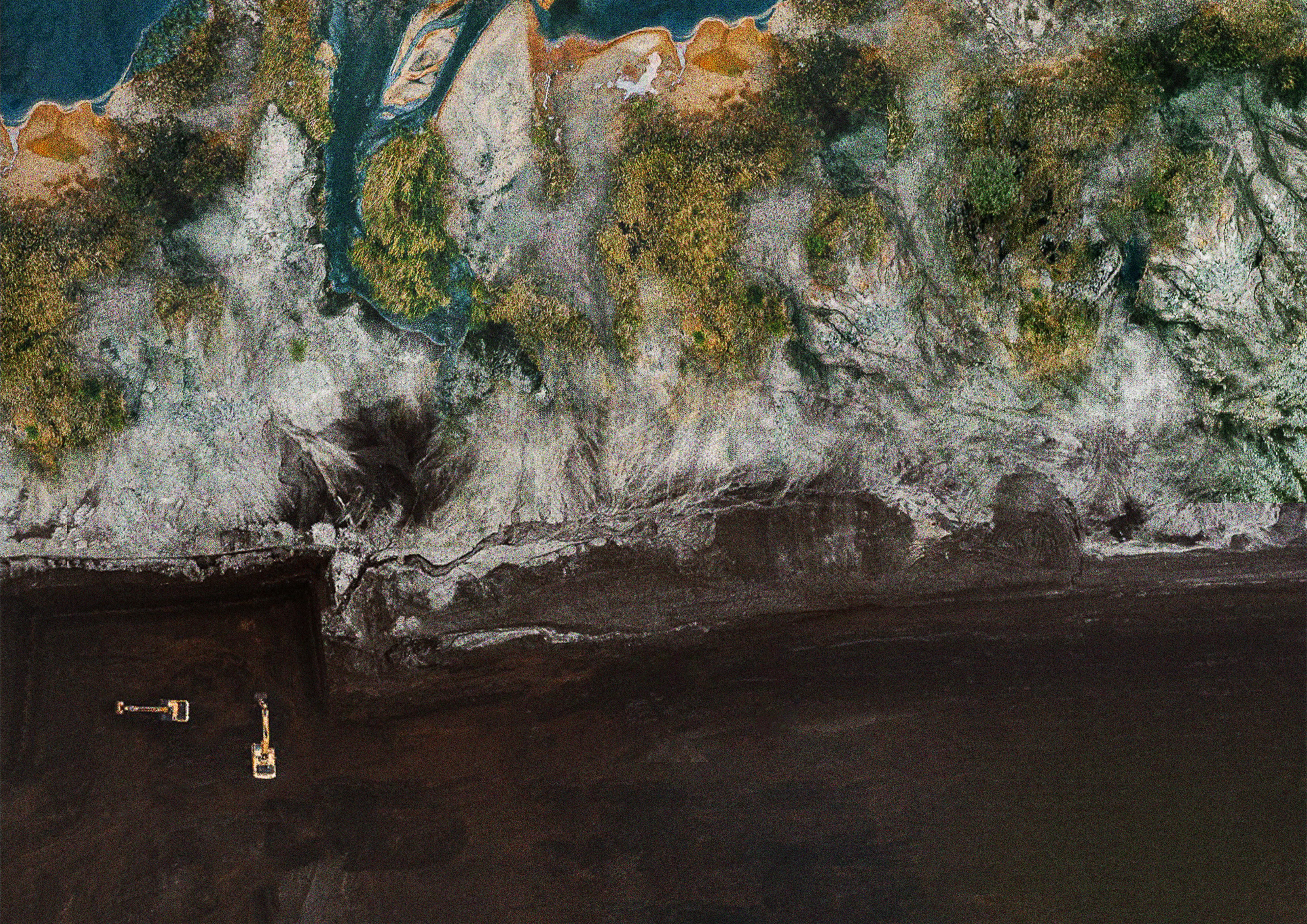
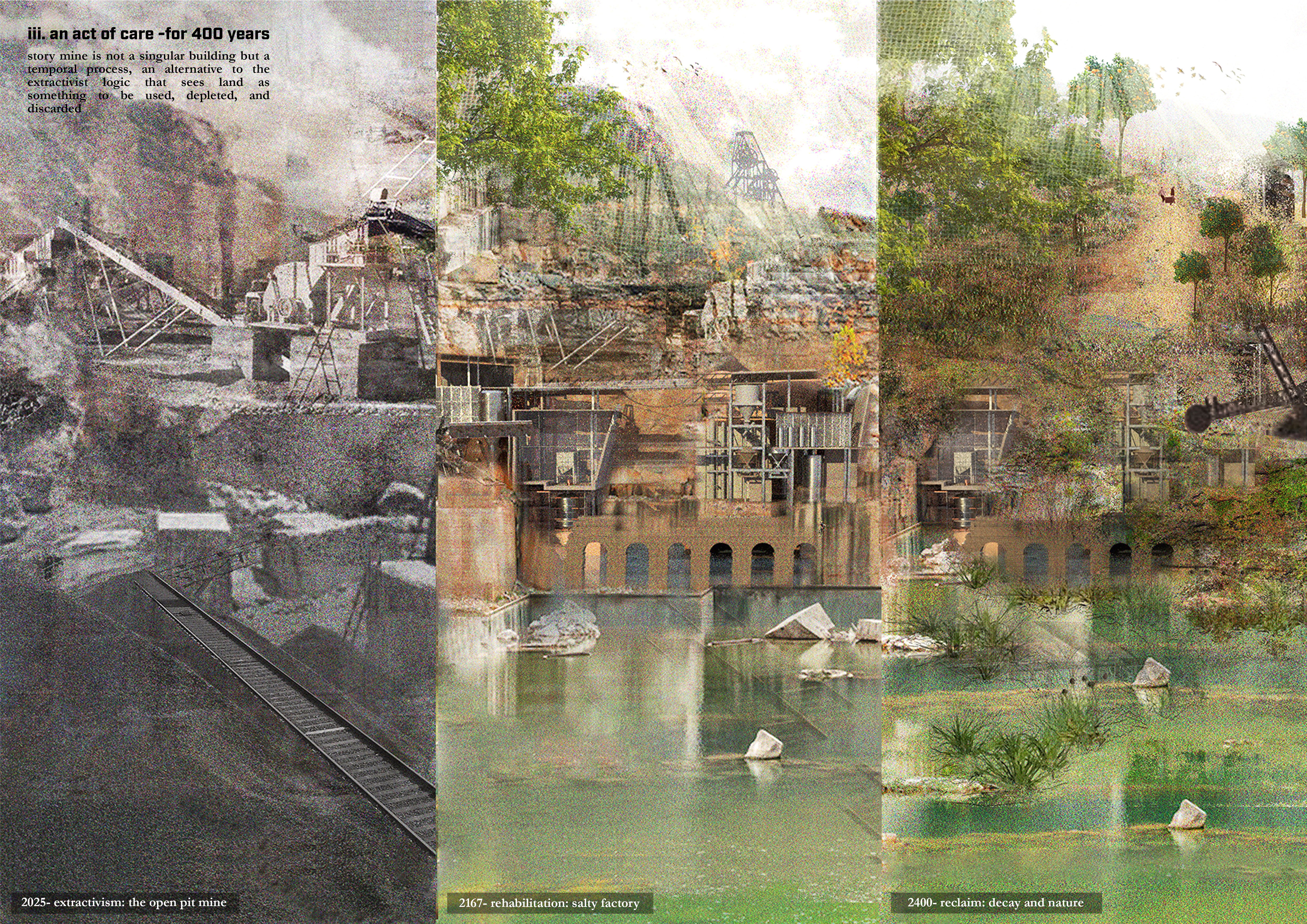
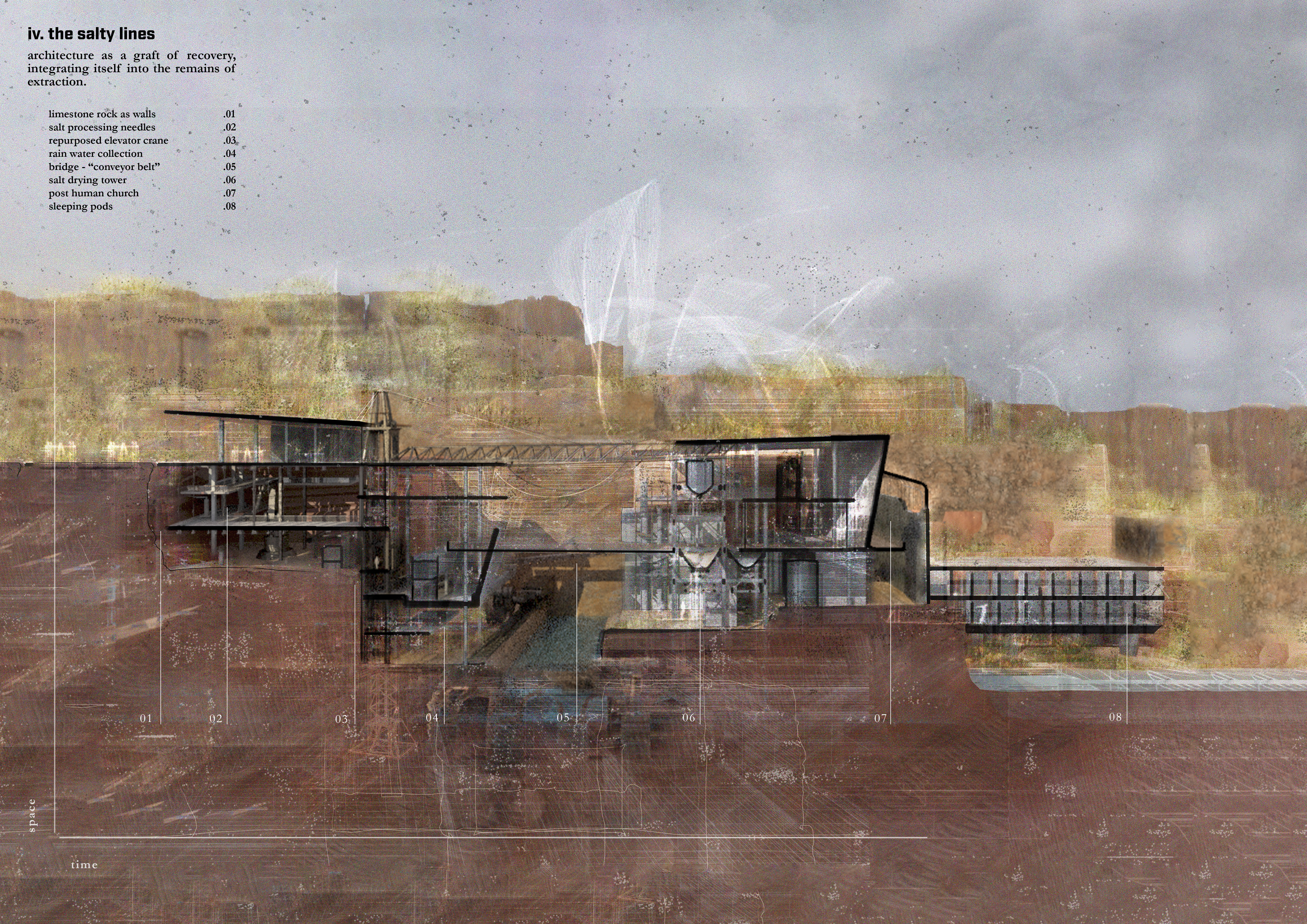
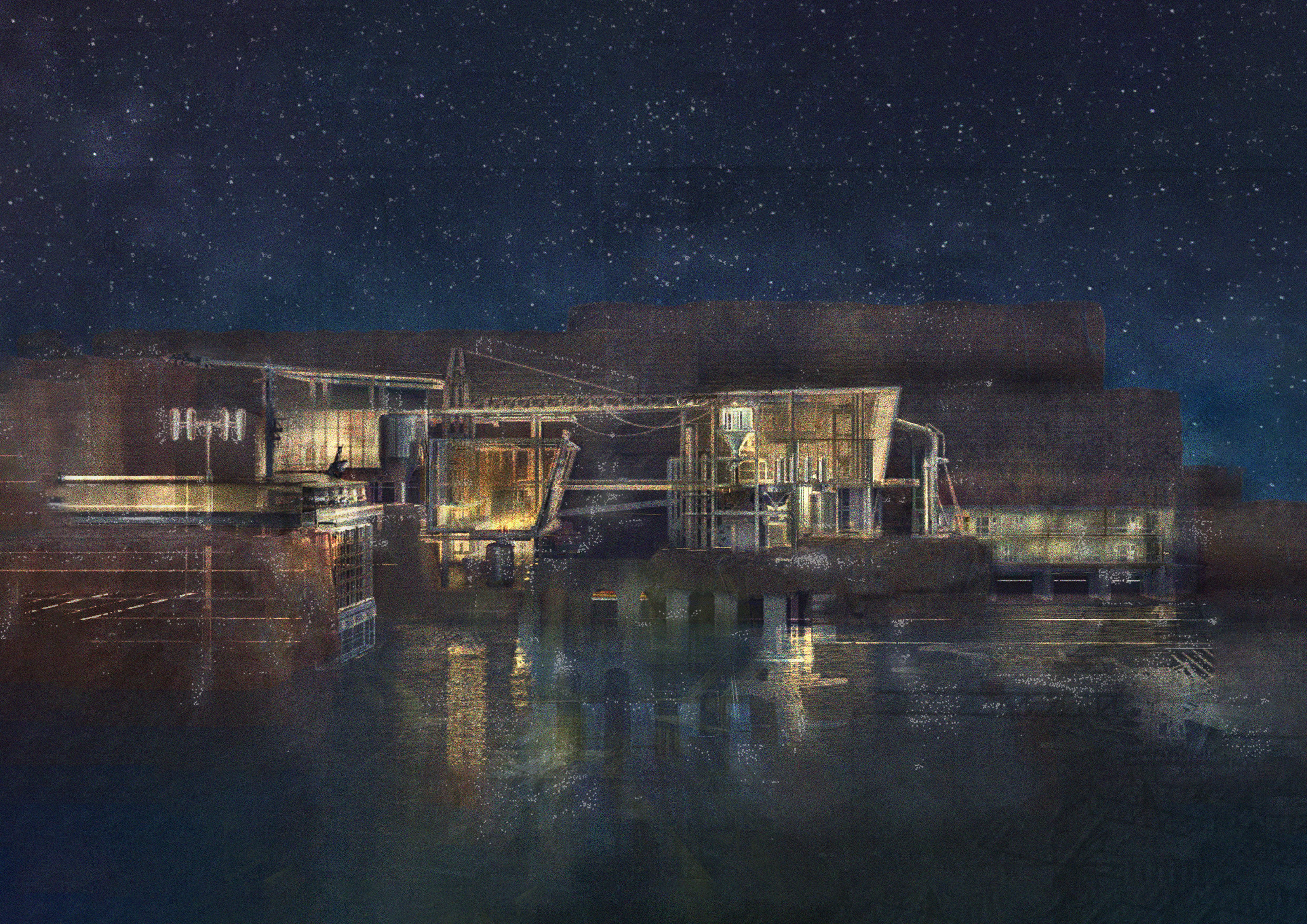
story mine* criticizes the ecological violence inflicted by extractivism in Turkey, proposing a period for transforming environmental scars into productive landscapes for the planet’s benefit. It speculates a post-human world where architecture grafts itself onto the voids of extraction, evolving over centuries. A salt factory, embedded within a limestone mine, redefines extraction by sustaining both humans and machines. In this sense the project is not a static structure but a temporal process, challenging the extractivist logic that treats land as a resource to be used and abandoned.
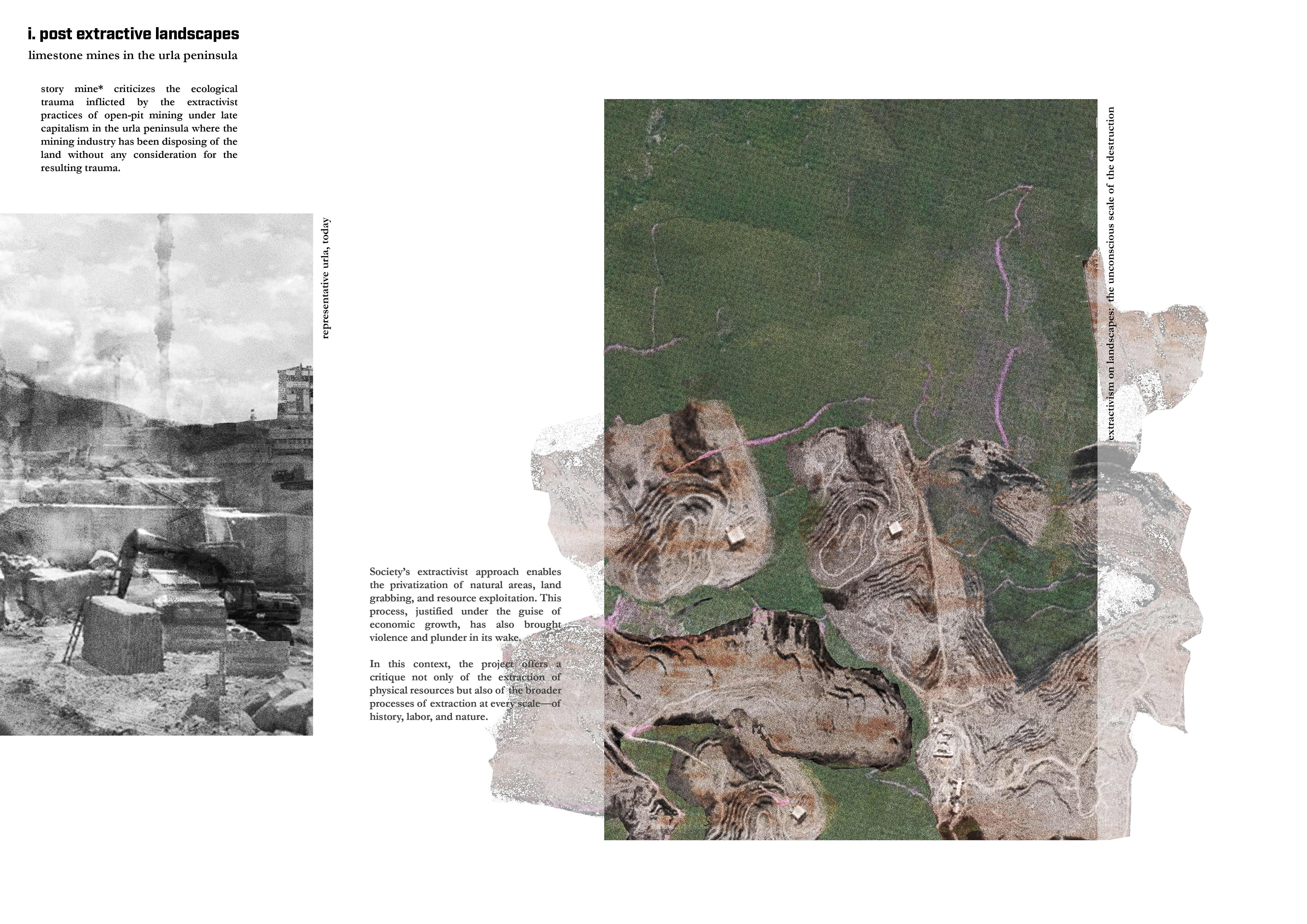
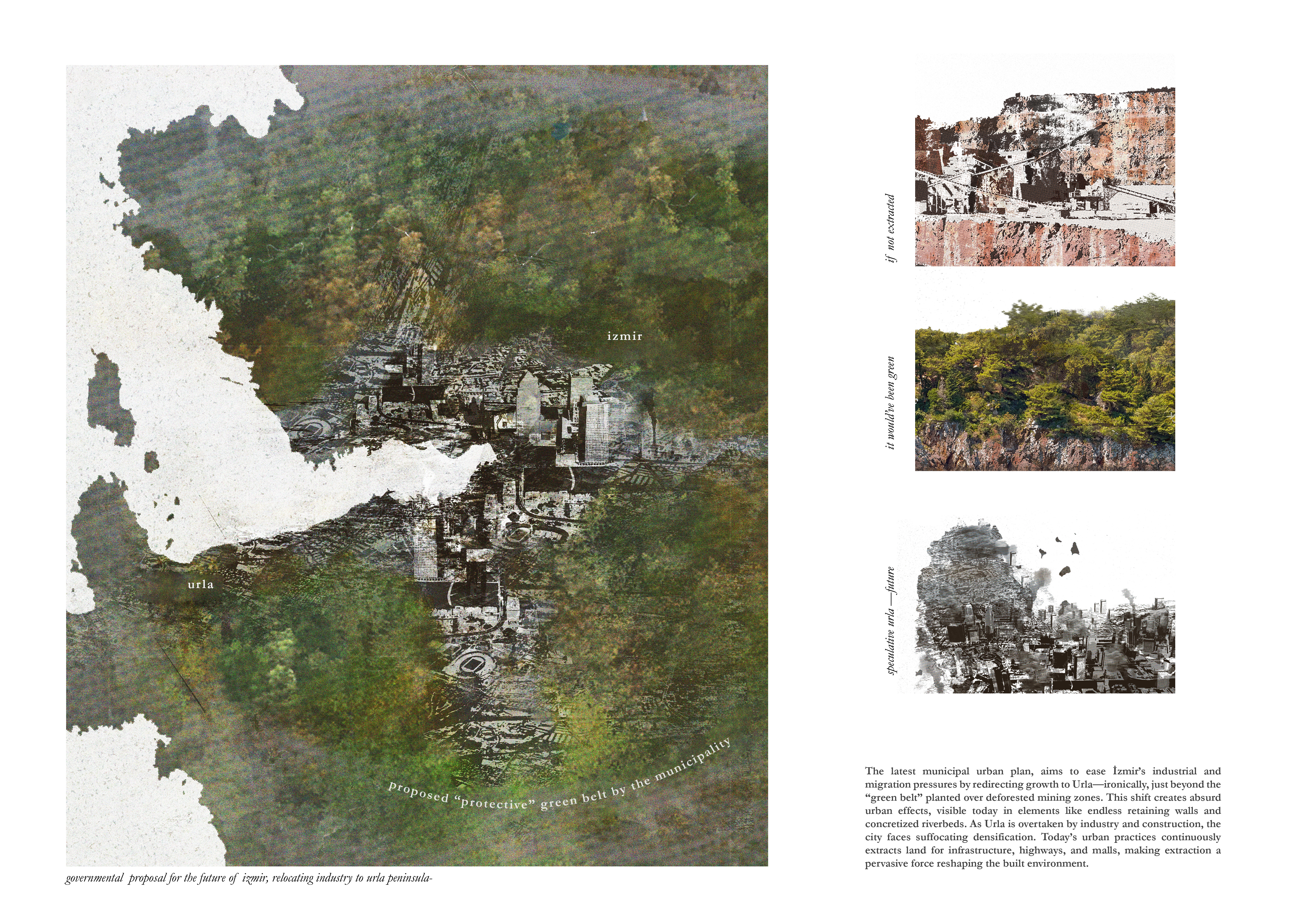
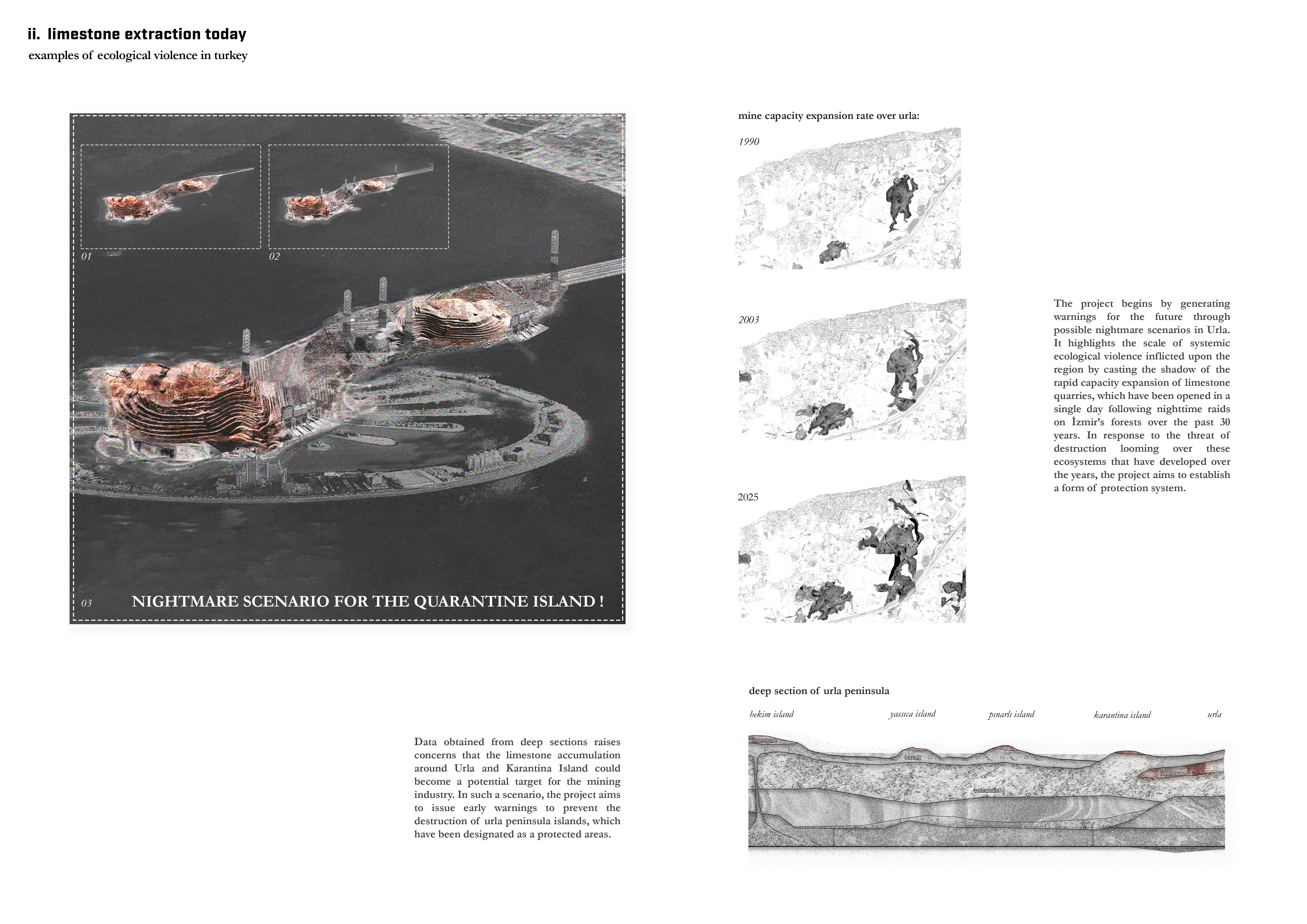
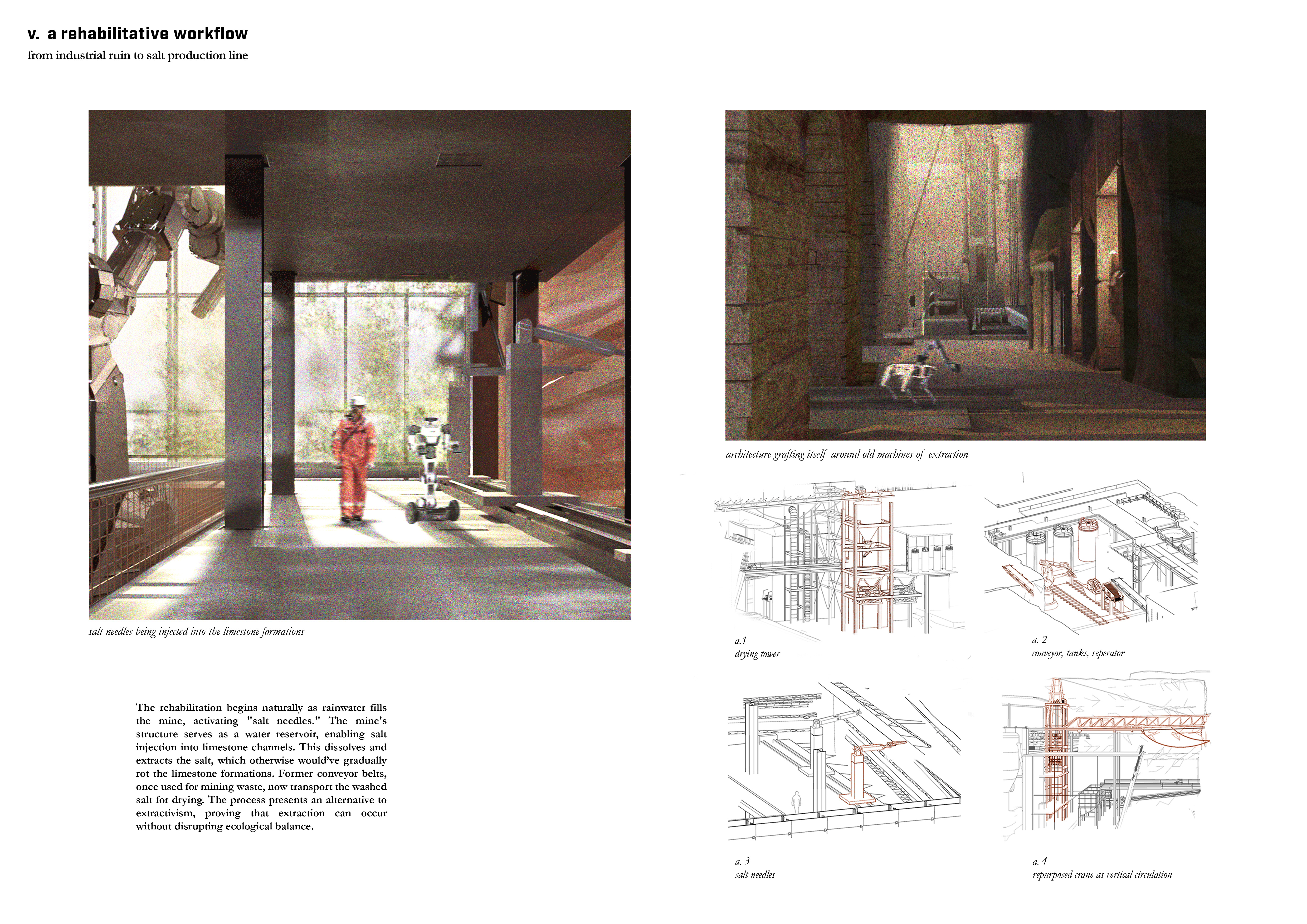
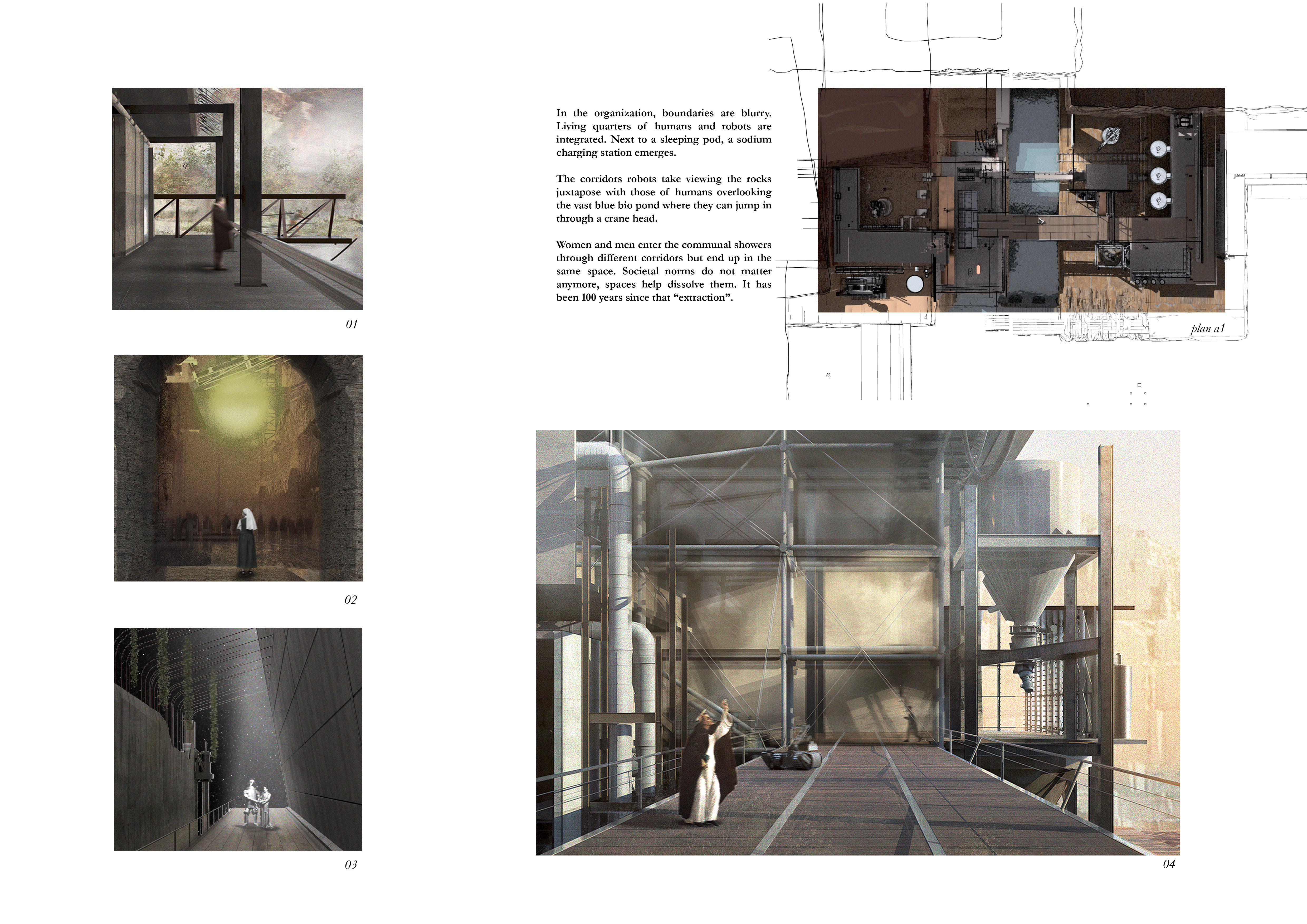
The Aegean region is increasingly threatened by extractivist practices. Open-pit mining, driven by industrial demand, has left irreversible scars around Urla, where limestone quarries multiply overnight, cutting deep into forests and reserves. Here, the project emerges as both a critique and a response to this unfolding ecological trauma, speculating on a future where extractivism has run its course, leaving behind an uninhabitable wasteland. Rather than accepting these scars as voids of destruction, the project proposes a slow rehabilitation process, transforming the mined landscape into a space of coexistence between humans, machines, and ecological systems. It envisions a post-human world where architecture integrates with the remains of industrial ruins, evolving over centuries as a graft. Structured around a 400-year timeline, the project prioritizes long-term ecological recovery over immediate intervention. Spaces emerge within the negative alcoves of the mine, integrating existing industrial infrastructure with steel additions that corrode and adapt to environmental conditions. Time is embedded into the architecture—20 years or 200 years from now, the structure shifts, expands, and erodes, embracing decay as renewal. At its core, a salt factory within the limestone mine offers an alternative to traditional extraction methods. Rainwater, pooling at the mine’s base, activates salt needles, processing residual minerals left behind by industrial activities. The harvested salt sustains both humans and robotic systems, forging a speculative relationship between organic and synthetic lifeforms. Ultimately, by rewriting the mine's story, the project serves as a monument to the failures of capitalism and the human destruction inflicted on our planet.